
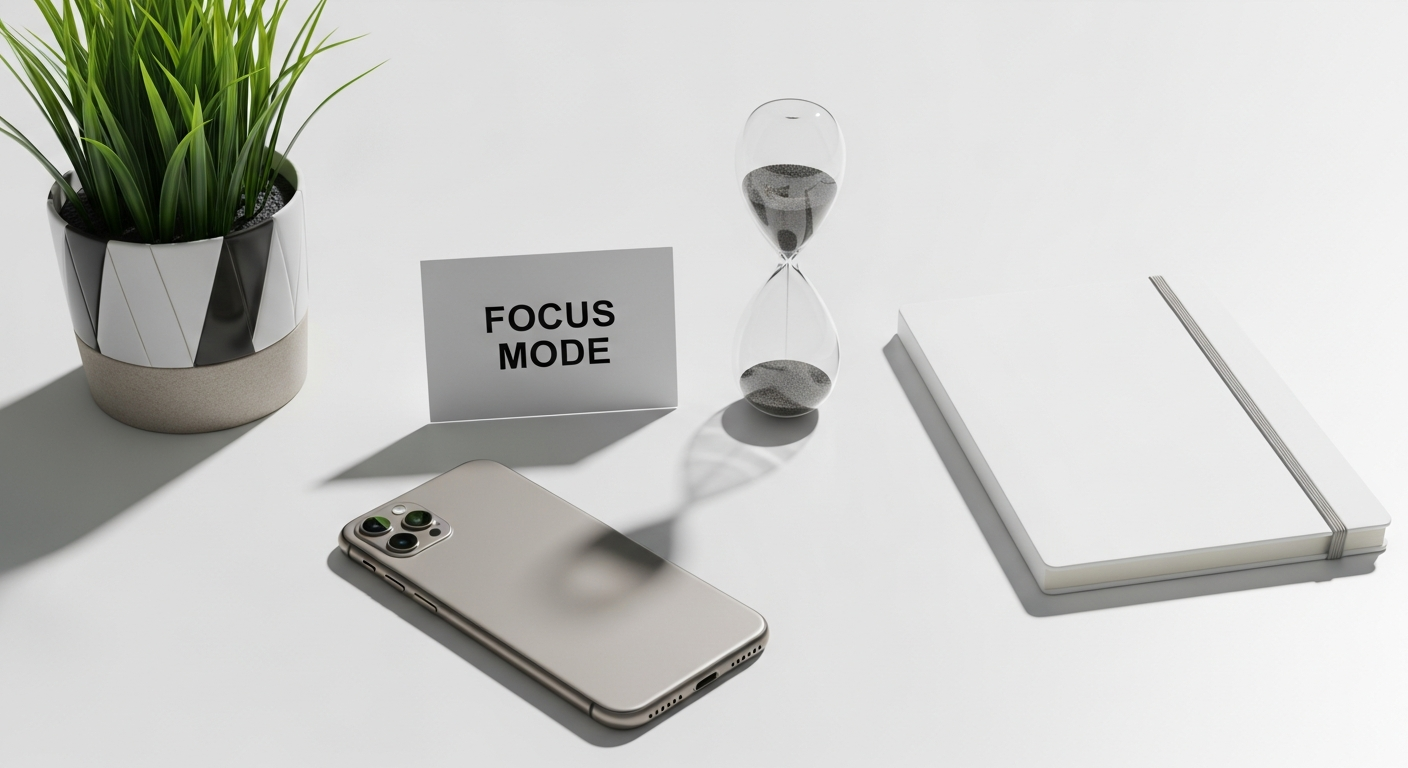
Silence the Siren: Reclaim Your Focus by Mastering Phone Notifications
Understanding the Notification Addiction Cycle: Why Our Phones Hold So Much Sway
Before we can effectively disarm the notification bomb, we need to understand its potent psychological design. Our smartphones, and the apps within them, are engineered to capture and retain our attention. Each notification acts as a powerful trigger in a sophisticated reward system, tapping into the very core of our human psychology.
At the heart of this lies the dopamine reward pathway. When we receive a notification, there’s an immediate surge of dopamine – a neurotransmitter associated with pleasure, motivation, and reward. This isn’t necessarily about the content of the notification itself, but the anticipation of what might be there. It’s an unpredictable, variable reward system, much like a slot machine. We don’t know if the next ping will bring exciting news, a funny meme, an urgent request, or simply an irrelevant update. This unpredictability makes us more likely to check, reinforcing the habit loop: trigger (notification), action (checking phone), variable reward (dopamine hit), and investment (time spent on the app).
This cycle is further exacerbated by phenomena like FOMO (Fear Of Missing Out) and FOBO (Fear Of Being Offline). We worry that if we don’t respond immediately, we’ll miss a crucial update, an important social interaction, or a fleeting opportunity. Social media platforms, messaging apps, and even news aggregators expertly leverage these fears, creating a subtle pressure to remain constantly available and engaged.
Dr. Sophie Leroy’s research on attention residue further illustrates the cost. When you switch from one task to another (like checking a notification), your attention doesn’t immediately follow. A “residue” of your attention remains with the previous task, impairing your performance and focus on the new one. This means every notification, even a seemingly innocuous one, carries a hidden cost to your cognitive efficiency and presence. Recognizing that this isn’t a personal failing but a deliberate design strategy is the first step towards taking back control.
The Digital Detox Audit: Knowing What You’re Up Against

Begin by accessing your phone’s screen time or digital well-being reports. Both iOS and Android offer detailed insights into your daily and weekly phone usage, including:
* Total screen time: How many hours are you spending staring at your device?
* Most used apps: Which apps are consuming the majority of your attention?
* Number of pickups: How many times do you unlock your phone in a day?
* Notification count: This is the goldmine. See exactly which apps are sending you the most notifications. You might be surprised to find that a seemingly innocent game or news app is buzzing you more than your most important communication tools.
Once you have this data, take a moment for mindful reflection. Instead of judgment, approach this with curiosity.
* Categorize your notifications:
* Essential: These are notifications from apps or contacts that genuinely require your timely attention for safety, work, or critical personal matters (e.g., calls from family, emergency alerts, critical work system alerts).
* Valuable but Not Urgent: These might be updates from a project management tool, a message from a friend that doesn’t need an immediate reply, or a calendar reminder. They add value but don’t demand instant interruption.
* Distracting & Irrelevant: These are the bulk of notifications – social media likes, promotional emails, game reminders, news alerts, app updates, “come back to us!” pings. They offer little to no immediate value and primarily serve to pull you away from what you’re doing.
This audit isn’t about shaming yourself; it’s about gaining awareness. You’ll likely discover that a significant portion of your notifications fall into the “distracting & irrelevant” category, offering a clear target for your focus-reclaiming efforts. This initial understanding is crucial for building a personalized strategy that works for your life and your priorities.
Strategic Silence: Mastering Your Phone’s Settings
Now that you’ve identified the culprits, it’s time to put your phone’s powerful built-in tools to work. This isn’t about being anti-technology; it’s about using technology mindfully to serve you.
1. Disable Most Notifications by Default (The Radical Reset): This is often the most effective first step. Go into your phone’s settings (`Settings > Notifications` on iOS, `Settings > Apps & Notifications > Notifications` on Android) and turn off notifications for nearly every app. Yes, almost all of them. This might feel extreme, but it creates a clean slate. From there, you can selectively re-enable only what’s truly essential.
2. Prioritize Essential Apps Only: After the radical reset, think critically: Which apps truly need to interrupt you? For most people, this short list includes:
* Phone calls (from specific contacts).
* Critical messaging apps for family/close friends (e.g., WhatsApp, iMessage, Signal).
* Work-critical apps (if your job requires immediate alerts).
* Emergency alerts.
Everything else can likely wait for you to check on your own terms.
3. Customize Notification Types for Remaining Apps: For the few apps you’ve decided to keep notifications active for, fine-tune how they notify you:
* Sound vs. Vibrate vs. Silent: Does every notification need a jarring sound? For many apps, a silent banner or badge is sufficient.
Lock Screen, Notification Center, Banners: Decide where and how notifications appear. Do you need them to light up your lock screen, tempting you to pick up your phone? Or can they simply be collected in your notification center for you to review when you* choose? Badges (the little red numbers on app icons) can be a good compromise for apps you want to check periodically without being interrupted.
* Grouping Notifications: Many operating systems allow you to group notifications from the same app, reducing clutter.
4. Leverage Focus Modes / Do Not Disturb (DND): These are perhaps the most powerful tools for reclaiming focus and digital wellness.
* Scheduled DND: Set your phone to automatically silence all non-essential notifications during specific times, such as during work hours, during family dinner, or overnight while you sleep.
* Allow Exceptions: Crucially, DND modes allow you to specify exceptions. You can permit calls from “favorite contacts” or “repeated calls” (in case of an emergency) to still come through. This addresses the fear of missing something genuinely important.
* Custom Focus Modes (iOS) / Digital Wellbeing Modes (Android): Create personalized modes for different activities. For example:
* “Work Focus”: Only allows notifications from your project management tool and critical work calls.
* “Family Time”: Silences work notifications, allowing only calls from your immediate family.
* “Mindfulness Mode”: Blocks everything except emergency calls, allowing you to fully immerse in a hobby, reading, or meditation.
Real-world example:* Imagine a parent setting a “Playtime Focus” mode, silencing all social media and email alerts, but allowing calls from their partner or babysitter. This ensures they are fully present with their child without anxiety about missing a true emergency.
By strategically configuring these settings, you transform your phone from a constant interruptor into a tool that respects your attention and your time.
Cultivating Mindful Interaction: Beyond the Settings

While adjusting your phone’s settings is crucial, true mastery over notifications extends beyond the digital realm. It involves cultivating new habits and a mindful approach to your device.
1. Scheduled “Notification Checks”: Instead of reacting to every ping, create dedicated times for checking messages and updates. This could be once an hour, every few hours, or even just a few times a day for non-urgent communication. Think of it like checking your physical mailbox – you don’t run to it every time a letter arrives; you check it once a day. This practice trains your brain that not every notification requires immediate attention, reducing the “pull” of the device.
2. The “Out of Sight, Out of Mind” Principle: This is remarkably effective.
* Physical Distance: When you’re working, eating, or spending time with loved ones, place your phone in another room. If it’s not visible, the urge to check it dramatically decreases.
* Face Down: If it must be near, place it face down. The glowing screen is a powerful visual trigger.
* Use Physical Barriers: Consider putting your phone in a drawer, a bag, or even a designated “phone basket” during specific times (e.g., family dinner).
3. Batching Communication: Apply the same principle to responding. Instead of replying to emails, texts, and social media messages as they come in, set aside specific blocks of time (e.g., 9:00-9:30 AM, 1:00-1:30 PM, 5:00-5:30 PM) to process all communication. This allows you to engage in “deep work” or focused activities without constant interruption, improving both efficiency and quality of attention.
4. Setting Boundaries with Others: Your new habits might require a little communication with your social and professional circles. Inform friends, family, and colleagues that you’re practicing more mindful digital habits and might not respond instantly. For instance, “I’m checking messages twice a day now to improve my focus, so please expect a reply within X hours unless it’s an emergency, in which case call me.” Most people will understand and respect your boundaries, and some may even be inspired to adopt similar practices.
5. The Power of Airplane Mode: For short, intense bursts of focused work, creative time, or simply complete mental quiet, switch on airplane mode. This offers total digital disconnection without turning your phone off. Use it for a 30-minute deep work sprint, during a meal, or when you truly need to be unreachable and fully present. It’s a powerful tool for intentional disconnection.
By integrating these mindful practices, you’re not just managing notifications; you’re fundamentally shifting your relationship with your phone, moving towards intentional, rather than reactive, engagement.
Rebuilding Your Relationship with Focus: Long-term Strategies for Digital Wellness
Reducing notifications is a fantastic start, but true reclamation of focus is an ongoing journey that integrates broader digital wellness practices into your lifestyle. It’s about consciously nurturing your attention span and prioritizing what truly matters.
1. Mindfulness Practices as Attention Training: Just as you’d train a muscle, you can train your attention. Regular mindfulness meditation, even for just 5-10 minutes a day, can significantly improve your ability to sustain focus and resist distraction. Practices like body scans, mindful breathing, or focused observation help you become more aware of your internal state and external environment, making it easier to notice when your attention is being pulled away and gently guide it back.
2. Digital Decluttering: Curate Your Digital Environment: Notifications aren’t the only source of distraction.
* Unsubscribe: Ruthlessly unsubscribe from promotional emails and newsletters you don’t genuinely read.
* Unfollow/Mute: On social media, unfollow accounts that don’t add value or consistently trigger negative emotions. Mute group chats that are overly chatty and not essential.
* Delete Unused Apps: Get rid of apps you haven’t used in months. They clutter your screen, consume data, and could still be sending background notifications.
* Organize Your Home Screen: Keep your most essential apps on your home screen and bury distracting apps in folders or secondary screens. The less friction to access what’s important, the better; the more friction to access what’s distracting, the better.
3. Creating “Sacred Spaces” and “Sacred Times”: Designate specific areas and periods where phones are explicitly unwelcome.
* No-Phone Zones: The bedroom, the dinner table, the bathroom, and perhaps even specific areas of your workspace can be designated as phone-free zones. This not only reduces personal screen time but also fosters deeper in-person connection.
* No-Phone Times: Implement “digital sabbaths” – periods of complete disconnection (e.g., the first hour of your morning, the last hour before bed, a dedicated weekend afternoon). These intentional breaks allow your mind to wander, process, and truly rest, which is crucial for creativity and focus.
4. Identify Your “Why”: The Deeper Motivation: What do you hope to gain by reducing notifications and reclaiming focus? Is it to:
* Be more present with your children or partner?
* Finally finish that creative project?
* Improve your sleep quality?
* Reduce stress and anxiety?
* Read more books?
* Engage in deeper conversations?
Keeping your “why” front and center will provide powerful motivation when the urge to check your phone inevitably arises. Write it down, put it somewhere visible.
5. Celebrate Small Wins and Be Patient: This is not an overnight transformation. There will be days when you slip back into old habits, and that’s okay. Acknowledge your progress, no matter how small. Did you go an entire meal without checking your phone? Did you resist a notification for 10 minutes? Celebrate that! Be kind to yourself, and remember that consistent, small steps lead to significant, lasting change. Reclaiming your focus is a marathon, not a sprint.
Embrace the Quiet, Reclaim Your Connection
The journey to reduce phone notifications and reclaim your focus is a profound act of self-care. It’s an affirmation that your attention, your time, and your presence are invaluable commodities, too precious to be constantly fragmented by digital pings. By understanding the psychology behind notifications, auditing your usage, mastering your phone’s settings, and cultivating mindful interaction, you’re not just silencing a device – you’re amplifying your life.
Imagine the freedom: uninterrupted conversations, deep concentration on a creative project, truly savoring a meal, or simply enjoying the quiet stillness of your own thoughts. This isn’t about rejecting technology; it’s about using it with intention, ensuring it serves your well-being and enhances your authentic human connections, rather than detracting from them. Start small, be patient with yourself, and embrace the profound peace that comes with taking back control. Your focus, your relationships, and your peace of mind are waiting.