
Reclaim Your Presence: A Practical Guide to Overcoming FOMO in the Digital Age
Understanding the Roots of FOMO: Why We Feel We’re Missing Out
To effectively overcome FOMO, we must first understand its origins. While the term “FOMO” is relatively new, coined in 2004 by Dr. Dan Herman and popularized in the 2010s, the underlying human desires it taps into are ancient. At its core, FOMO is a blend of social comparison, anxiety, and the fundamental human need for connection and belonging.
Psychologically, FOMO is deeply rooted in Social Comparison Theory, first proposed by Leon Festinger in 1954. This theory suggests that we have an innate drive to evaluate ourselves against others. Historically, this meant comparing ourselves to our immediate peers in our village or community. In the digital age, however, our “community” has expanded exponentially. We’re no longer just comparing ourselves to a handful of neighbors; we’re comparing our unfiltered, everyday lives to the carefully curated, often idealized, highlight reels of hundreds, if not thousands, of “friends” and influencers across the globe. This constant upward social comparison – seeing others seemingly achieving more, traveling more, or just generally having a better time – can lead to feelings of inadequacy, envy, and dissatisfaction with our own lives.
Beyond comparison, FOMO also taps into our evolutionary need to belong. Throughout human history, being excluded from the group often meant danger or even death. Our brains are wired to seek social acceptance and avoid isolation. When we see others engaging in activities we’re not part of, it can trigger an ancient fear of exclusion, making us feel left out and disconnected.
The digital landscape amplifies these inherent tendencies dramatically. Social media platforms are designed to be addictive, leveraging intermittent variable rewards (like likes, comments, and new notifications) that trigger dopamine release in the brain, creating a compulsive checking habit. Every ping, every scroll, offers a potential hit of social validation or a glimpse into another’s seemingly perfect life, reinforcing the cycle of comparison and the fear that if we disengage, we might miss something truly significant. This constant barrage of information and the perceived urgency to “keep up” leaves little room for present moment awareness, leading to a perpetual state of low-grade anxiety and a profound sense of not being enough. Recognizing these deep-seated psychological mechanisms is the first crucial step toward disarming FOMO’s power over us.
The Neuroscience of Social Comparison and Digital Overload

At the heart of our engagement with digital platforms is the dopamine reward system. When we receive a “like,” a comment, or a new notification, our brain releases dopamine, a neurotransmitter associated with pleasure and motivation. This creates a feedback loop: we check our phones, we get a hit of dopamine, and our brain learns to crave this sensation, prompting us to check again and again. Social media companies leverage this system to keep us engaged, making it incredibly difficult to disengage even when we know it’s not serving our well-being. The anticipation of a reward, even more than the reward itself, is a powerful driver, keeping us hooked on the possibility of a positive social interaction or an exciting update.
Furthermore, constant digital stimulation overloads our cognitive capacity. Our brains are not designed to process the sheer volume of information we encounter daily. This cognitive overload can lead to mental fatigue, difficulty concentrating, and a reduced ability to engage deeply with our immediate surroundings. When our minds are constantly flitting between various feeds and notifications, our default mode network (DMN) – the brain network active when we’re not focused on the outside world, often associated with self-reflection, mind-wandering, and social cognition – can become hyperactive. This overactivity, in the context of constant social media exposure, can lead to increased rumination about ourselves and others, fueling social comparison and, consequently, FOMO. We spend more time in a state of internal comparison rather than external engagement.
The brain’s prefrontal cortex, responsible for executive functions like decision-making, planning, and impulse control, can also become fatigued by the constant need to process digital stimuli and resist the urge to check our phones. This makes us more susceptible to impulsive behaviors, like endless scrolling, even when we’d rather be doing something else. Essentially, our digital habits can hijack our brain’s natural mechanisms, making it harder to stay present and content with our own experiences. Recognizing this neurological interplay isn’t about blaming our brains; it’s about understanding the powerful forces at play and developing intentional strategies to regain control.
Cultivating Present Moment Awareness: Mindfulness as Your FOMO Antidote
One of the most potent antidotes to FOMO is the cultivation of present moment awareness, or mindfulness. When our minds are fully engaged with what is happening right now, we are less susceptible to the anxieties of what might be happening elsewhere. Mindfulness, rooted in ancient contemplative traditions and popularized in the West by figures like Jon Kabat-Zinn and the Mindfulness-Based Stress Reduction (MBSR) program, is about intentionally paying attention to the present moment without judgment.
Here’s how mindfulness can dismantle FOMO:
* Interrupting the Comparison Cycle: FOMO thrives on rumination about the past (“I should have gone to that event”) and anxiety about the future (“What am I missing out on next?”). Mindfulness anchors you in the present, breaking these thought patterns. When you bring your attention to your breath, your body, or your immediate surroundings, there’s less mental space for social comparison.
* Reducing Reactivity: Instead of impulsively grabbing your phone every time a notification appears or a thought of “what if” crosses your mind, mindfulness teaches you to pause. This pause creates a space between stimulus and response, allowing you to choose how to react rather than being driven by autopilot.
* Enhancing Appreciation: When you are mindful, you become more attuned to the richness of your own experiences, no matter how mundane they may seem. The warmth of your coffee, the sound of birds outside your window, the texture of your clothes – these small details become sources of appreciation, fostering contentment and reducing the need for external validation.
Practical Mindfulness Techniques for Overcoming FOMO:
1. The 3-Minute Breathing Space: This quick exercise can be done anywhere.
* Minute 1: Awareness: Bring awareness to your present experience. What are your thoughts, feelings, and bodily sensations? Acknowledge them without judgment.
* Minute 2: Gathering: Gently direct your attention to your breath. Feel the sensations of the breath as it enters and leaves your body. Allow your breath to be an anchor.
* Minute 3: Expanding: Expand your awareness from your breath to include your entire body, and then to your immediate surroundings. Notice the sounds, sights, and feelings of being fully present in this moment.
2. Mindful Tech Check-In: Before opening a social media app, pause. Ask yourself: “Why am I opening this now? What do I hope to gain?” After using it for a few minutes, pause again: “How do I feel right now? Am I more or less present?” This simple check-in builds awareness around your digital habits.
3. Sensory Grounding: When FOMO anxiety arises, engage your five senses.
* See: Look around you and name five things you can see.
* Feel: Name four things you can feel (e.g., the chair beneath you, your clothes).
* Hear: Name three things you can hear.
* Smell: Name two things you can smell.
* Taste: Name one thing you can taste (or imagine tasting).
This exercise quickly pulls your awareness into the present moment.
4. Body Scan Meditation: Lie down or sit comfortably. Bring your attention to different parts of your body, noticing any sensations (warmth, tingling, pressure) without judgment. This practice helps cultivate a deeper connection to your physical self and grounds you in the present.
Integrating these practices into your daily life doesn’t require hours of meditation; even a few minutes can make a significant difference. By consistently choosing presence, you starve FOMO of the mental space it needs to thrive, opening the door to a richer, more fulfilling experience of your own life.
Reclaiming Your Time and Attention: Practical Strategies for Digital Boundaries

While mindfulness helps us manage our internal response to FOMO, setting clear digital boundaries is crucial for managing the external triggers. In a world designed to keep us constantly connected, intentionally creating space and limits is an act of self-care and empowerment. Reclaiming your time and attention means taking proactive steps to curate your digital environment rather than letting it curate you.
Here are practical strategies to establish healthy digital boundaries:
1. Digital Decluttering: Curate Your Feed, Don’t Let It Curate You.
* Unfollow and Mute Liberally: Go through your social media accounts and unfollow or mute anyone who consistently makes you feel inadequate, anxious, or envious. Remember, you don’t need to justify this to anyone. Your feed should be a source of inspiration and connection, not comparison.
* Prioritize Real Connections: Focus on accounts that genuinely bring you joy, provide valuable information, or connect you to people you truly care about.
* Regular Purges: Make it a habit to declutter your digital space regularly, just as you would your physical space.
2. Notification Management: Silence the Noise.
* Turn Off Non-Essential Notifications: Most apps do not need to send you push notifications. Disable all but the most critical (e.g., calls, urgent messages from close contacts). This reduces the constant pings that pull you out of the present.
* Utilize “Do Not Disturb” Modes: Schedule “Do Not Disturb” times – during work, family meals, before bed, or even for an hour in the morning to ease into your day.
* Consider Grayscale Mode: Some smartphones offer a grayscale display option, which can make your phone less visually appealing and addictive, reducing the urge to constantly check it.
3. Scheduled Screen Time: Intentional Engagement.
* Designated “Social Media Time”: Instead of mindlessly scrolling throughout the day, set specific, limited blocks of time for checking social media. For example, 15 minutes at lunchtime and 15 minutes in the evening.
* No-Phone Zones: Establish areas in your home where phones are not allowed, such as the bedroom, dining table, or during family activities. This creates sacred spaces for presence and connection.
* Tech-Free Times: Implement tech-free hours before bed to improve sleep, or dedicate mornings to non-digital activities like reading, journaling, or exercise.
* Use App Timers: Many smartphones and third-party apps allow you to set daily limits for specific applications. Once the limit is reached, the app will lock you out until the next day, providing a helpful barrier.
4. Embrace “JOMO” – The Joy of Missing Out.
Shift Your Perspective: Instead of fearing what you’re missing, reframe it as celebrating what you’re choosing. When you opt out of a social media scroll to read a book, take a walk, or connect with a loved one, you’re not missing out; you’re gaining* peace, presence, and authentic engagement.
* Identify Your Values: Reflect on what truly matters to you. Is it endless scrolling, or is it deeper relationships, personal growth, creativity, or peace of mind? Align your actions with your values.
5. Create “Analog” Spaces and Hobbies.
* Engage in Offline Activities: Actively seek out hobbies and activities that don’t involve screens – gardening, painting, cooking, playing an instrument, hiking, or sports. These activities provide genuine fulfillment and a sense of accomplishment.
* Prioritize In-Person Interactions: Make time for face-to-face meetups, phone calls, or video chats with friends and family. These real connections are far more satisfying and nourishing than digital interactions.
Implementing these boundaries takes practice and consistency. Start small, be patient with yourself, and celebrate every step you take towards a more intentional and present relationship with technology. The goal isn’t to demonize digital tools, but to ensure they serve you, rather than the other way around.
Shifting Your Mindset: From Scarcity to Abundance
At its heart, FOMO is a mindset rooted in scarcity – the belief that there isn’t enough good to go around, and if others have it, you might be deprived. To truly overcome FOMO, we need to cultivate a mindset of abundance, focusing on what we have, what we are choosing, and the richness of our own unique lives. This involves challenging deeply ingrained thought patterns and consciously reframing our perspectives.
1. Challenging Cognitive Distortions:
* Identify the “Highlight Reel” Fallacy: The most common distortion fueling FOMO is the belief that others’ lives are consistently perfect and exciting. Remind yourself that social media presents a highly curated, often unrealistic, version of reality. Everyone experiences struggles, mundane moments, and imperfections that rarely make it online. What you’re seeing is not the full picture.
* Question Your Assumptions: When you feel a pang of FOMO, ask yourself: “Is this truly what’s happening, or am I making assumptions?” “Is this activity genuinely something I would enjoy, or am I feeling pressured by what others are doing?” Often, the imagined experience is far more appealing than the reality would be for you.
* Acknowledge Your Choices: Every “yes” to one activity is a “no” to another. When you choose to stay home, pursue a personal project, or simply rest, you are making a valid choice that aligns with your needs, not missing out.
2. Practicing Gratitude: Cultivating What You Have.
* The Power of Appreciation: Gratitude is a powerful antidote to the scarcity mindset. When you actively focus on what you are grateful for – your health, your relationships, your simple comforts, your unique experiences – you shift your attention away from what you perceive as lacking.
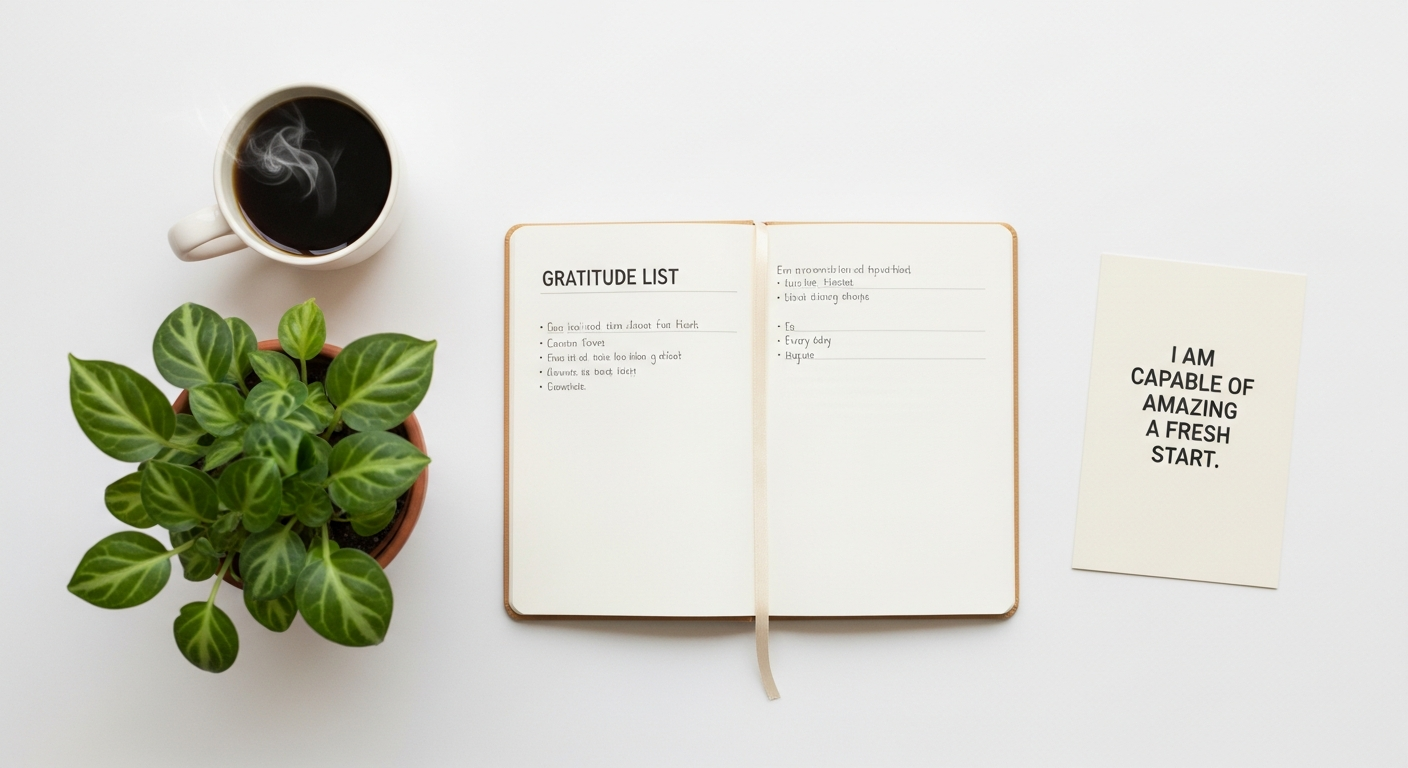
* Gratitude Journaling: Make it a daily practice to write down 3-5 things you are genuinely grateful for. Be specific. This trains your brain to notice and appreciate the positive aspects of your life.
* Gratitude in the Moment: When FOMO strikes, deliberately pause and find something in your immediate surroundings or experience to be grateful for. This simple act can reorient your perspective.
3. Identifying Your Core Values: Living an Authentic Life.
* What Truly Matters to You? Take time to reflect on your core values – what principles guide your life and bring you genuine fulfillment? Is it creativity, family, contribution, learning, adventure, peace?
* Align Your Actions with Your Values: When you make choices that are aligned with your core values, you experience a deeper sense of purpose and satisfaction, regardless of what others are doing. If your value is “peace,” choosing a quiet evening at home might be more aligned than going to a bustling event that triggers your anxiety.
* Internal vs. External Validation: A values-driven life shifts your focus from seeking external validation (e.g., likes, social approval) to internal fulfillment.
4. Self-Compassion: Be Kind to Yourself.
* Acknowledge Your Humanity: As psychologist Kristin Neff emphasizes, self-compassion involves treating yourself with the same kindness and understanding you would offer a good friend. Recognize that experiencing FOMO is a common human struggle, not a personal failing.
* Mindful Self-Kindness: When you feel the pang of FOMO, acknowledge the feeling with kindness. Place a hand over your heart and offer yourself a gentle phrase like, “This is a moment of suffering,” or “May I be kind to myself in this moment.”
* Common Humanity: Remind yourself that you are not alone in this feeling. Many people struggle with FOMO, demonstrating our shared human experience of wanting to belong and feel fulfilled.
Shifting your mindset is an ongoing process, not a one-time fix. It requires consistent effort and patience. By actively challenging negative thought patterns, practicing gratitude, aligning with your values, and cultivating self-compassion, you can transform your relationship with FOMO, moving from a place of scarcity and anxiety to one of abundance, contentment, and genuine self-worth.
Building Authentic Connections: The Antidote to Digital Isolation
In the age of digital “connection,” it’s easy to mistake online interactions for genuine human intimacy. Yet, studies consistently show that while social media may offer breadth of connection, it often lacks the depth necessary for true fulfillment. FOMO thrives in an environment where we feel disconnected and isolated, and the most powerful antidote is to cultivate rich, authentic relationships in the real world.
1. Prioritize In-Person Interactions:
* Make Time for Face-to-Face: Actively schedule meetups with friends, family, and colleagues. Even a short coffee date or a walk in the park can be more nourishing than hours of online scrolling.
* The Power of Presence: When you are with someone, be fully present. Put your phone away, make eye contact, and actively listen. This is the core principle of Stop Phubbing – giving your undivided attention to the person in front of you builds trust and deepens bonds.
* Initiate, Don’t Just Respond: Instead of waiting for invitations, be the one to suggest activities. Plan a potluck, organize a hike, or start a book club. Proactive engagement strengthens your social ties.
2. Beyond the Screen: The Value of “Small Talk” and Shared Activities:
* Engage in Your Community: Strike up conversations with your barista, your neighbors, or the person next to you in line. These seemingly small interactions contribute to a sense of belonging and reduce feelings of isolation.
* Join Clubs and Groups: Pursue hobbies and interests that naturally bring you into contact with others. Whether it’s a sports league, a crafting group, a volunteer organization, or a local class, shared activities foster genuine connections based on common ground.
* Volunteer Your Time: Contributing to a cause you care about not only provides a sense of purpose but also connects you with like-minded individuals who share your values.
3. Cultivate Deeper Conversations and Vulnerability:
* Move Beyond Superficiality: Challenge yourself to have more meaningful conversations. Ask open-ended questions, share your thoughts and feelings authentically, and listen with empathy.
* Embrace Vulnerability: True intimacy often grows from moments of vulnerability. Sharing your real self, including your fears and imperfections, can create a powerful bond and reassure you that you are accepted and valued for who you are, not for a curated online persona.
* Practice Empathy: When others share, try to truly understand their perspective and feelings. This strengthens the emotional connection and reduces the focus on self-comparison.
4. Digital Communication with Intention:
* Use Video Calls: When in-person isn’t possible, opt for video calls over text messages. Seeing facial expressions and hearing tone of voice adds a layer of depth that text often lacks.
* Send Personalized Messages: Instead of mass-liking posts, send thoughtful, personalized messages to friends. A quick “Thinking of you” or “Loved your post about X” shows genuine care.
* Connect, Don’t Compare: When you do engage on social media, focus on connecting with individuals rather than passively consuming content and comparing yourself.
Building authentic connections takes effort and courage, but the rewards are immeasurable. When your life is rich with meaningful relationships, the allure of distant, idealized online experiences diminishes significantly. You’ll find that the “fear of missing out” transforms into the “joy of being present” with the people and experiences that truly matter in your life.
Embrace Your Presence, Reclaim Your Joy
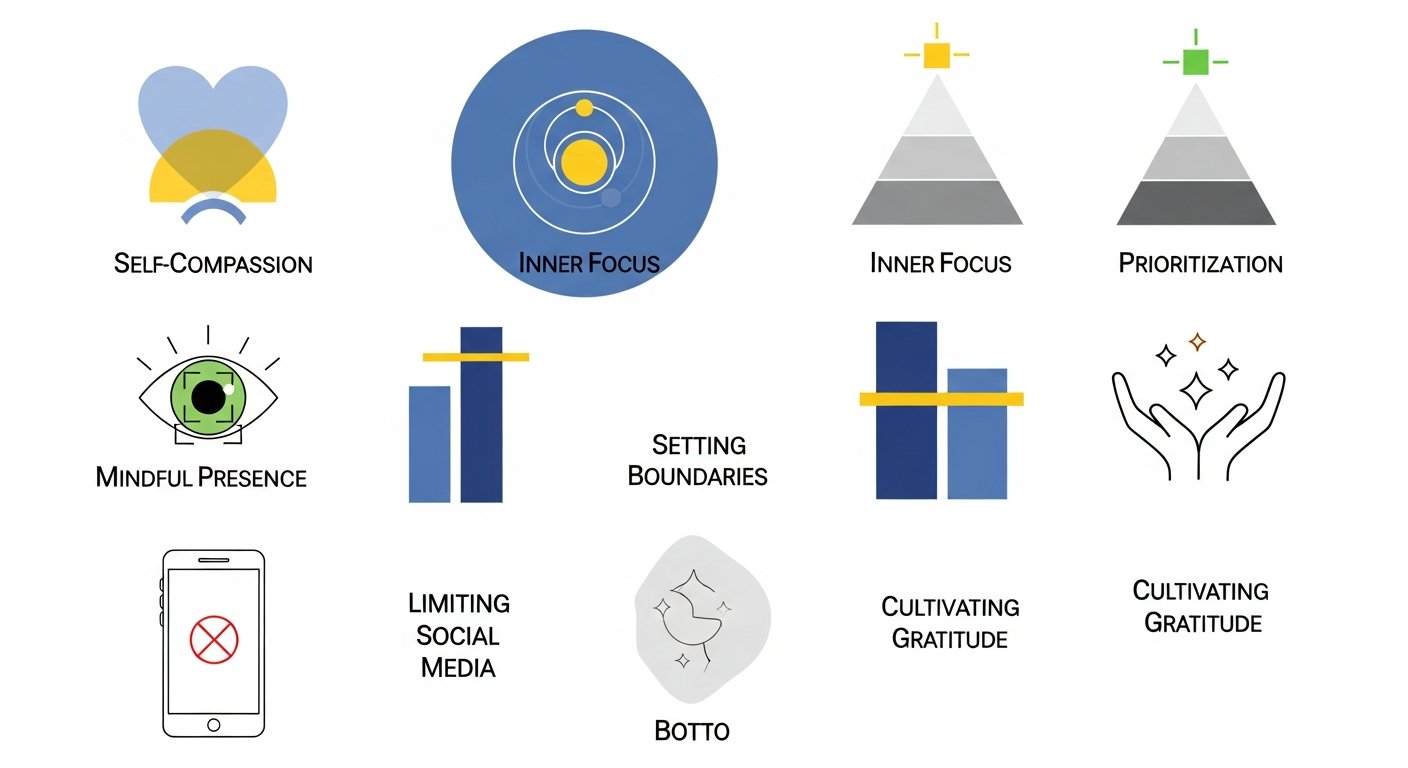
The fear of missing out, though amplified by our digital devices, is a deeply human experience. Yet, it doesn’t have to dictate your life or diminish your joy. By understanding its psychological and neurological roots, and by intentionally implementing strategies rooted in mindfulness, digital boundaries, a mindset of abundance, and authentic connection, you possess the power to transform your relationship with FOMO.
This journey isn’t about perfection; it’s about progress. It’s about choosing presence over distraction, contentment over comparison, and genuine connection over superficial likes. Each mindful breath, each intentional screen break, each heartfelt conversation is a step towards reclaiming your focus and savoring the richness of your own unique life.
At Stop Phubbing, we champion the belief that your most valuable asset is your presence – the ability to be fully engaged in the here and now. So, take a deep breath, look around you, and choose to be where your feet are. The most fulfilling experiences aren’t waiting for you on a screen; they are unfolding in the vibrant, imperfect, and beautiful reality of your present moment. Embrace it, nourish it, and watch as the joy of missing out (JOMO) becomes your most cherished companion.
“`json
{
“@context”: “https://schema.org”,
“@graph”: [
{
“@type”: “Article”,
“mainEntityOfPage”: {
“@type”: “WebPage”,
“@id”: “https://www.stopphubbing.com/blog/overcoming-fomo”
},
“headline”: “Reclaim Your Presence: A Practical Guide to Overcoming FOMO in the Digital Age”,
“image”: [
“https://www.stopphubbing.com/images/fomo-hero.jpg”,
“https://www.stopphubbing.com/images/fomo-mindfulness.jpg”,
“https://www.stopphubbing.com/images/fomo-connection.jpg”
],
“datePublished”: “2026-03-15T08:00:00+08:00”,
“dateModified”: “2026-03-15T09:20:00+08:00”,
“author”: {
“@type”: “Organization”,
“name”: “Stop Phubbing”,
“url”: “https://www.stopphubbing.com/”
},
“publisher”: {
“@type”: “Organization”,
“name”: “Stop Phubbing”,
“logo”: {
“@type”: “ImageObject”,
“url”: “https://www.stopphubbing.com/logo.png”
}
},
“description”: “A comprehensive guide from Stop Phubbing on understanding and overcoming FOMO (Fear of Missing Out) in the smartphone age. Learn practical strategies rooted in mindfulness, digital wellness, and authentic human connection to reclaim your presence and joy.”,
“articleSection”: [
“Understanding the Roots of FOMO: Why We Feel We’re Missing Out”,
“The Neuroscience of Social Comparison and Digital Overload”,
“Cultivating Present Moment Awareness: Mindfulness as Your FOMO Antidote”,
“Reclaiming Your Time and Attention: Practical Strategies for Digital Boundaries”,
“Shifting Your Mindset: From Scarcity to Abundance”,
“Building Authentic Connections: The Antidote to Digital Isolation”
],
“keywords”: “FOMO, Fear of Missing Out, digital wellness, mindfulness, overcome anxiety, social comparison, digital boundaries, authentic connection, present moment, mental health, smartphone addiction, self-care”
},
{
“@type”: “FAQPage”,
“mainEntity”: [
{
“@type”: “Question”,
“name”: “Is FOMO always bad, or can it sometimes be a good thing?”,
“acceptedAnswer”: {
“@type”: “Answer”,
“text”: “While often associated with negative feelings, FOMO isn’t inherently ‘bad.’ In small doses, it can sometimes be a motivator – prompting us to try new things, connect with others, or pursue experiences that genuinely align with our interests. However, when FOMO becomes pervasive, leading to constant anxiety, dissatisfaction, or compulsive checking, it crosses into unhealthy territory. The key is balance and intentionality: letting it inspire you without letting it consume you.”
}
},
{
“@type”: “Question”,
“name”: “How do I deal with friends who constantly post exciting things, making my FOMO worse?”,
“acceptedAnswer”: {
“@type”: “Answer”,
“text”: “This is a common challenge. Start by recognizing that your friends are likely sharing their highlight reels, not the full picture. Practice empathy and celebrate their joys, but also protect your own peace. You can mute their stories or posts without unfollowing them, giving yourself a break from constant exposure. You can also consciously shift your mindset to gratitude for your own life, or even use their posts as a gentle reminder to schedule your own real-life fun with them!”
}
},
{
“@type”: “Question”,
“name”: “What if I need social media for work or to stay connected with distant family/friends?”,
“acceptedAnswer”: {
“@type”: “Answer”,
“text”: “Many