

Breaking Free from the Scroll: Reclaiming Your Self-Worth in the Age of Social Media Comparison
The Illusion of Perfection: Understanding Social Media Comparison
Before we can address the problem, we must first understand it. Social media comparison is the act of evaluating our own lives, achievements, appearances, and possessions against those we perceive on social platforms. It’s a natural human tendency, rooted in our evolutionary need to understand our place in a social hierarchy. However, social media amplifies this tendency to an unprecedented degree, creating a comparison trap that’s hard to escape.
Psychologists often differentiate between two types of social comparison:
* Upward Social Comparison: This occurs when we compare ourselves to someone we perceive as better off than us. On social media, this could be someone with a more “perfect” body, a more “glamorous” career, a “happier” relationship, or a “more exciting” travel itinerary. The typical outcome of upward comparison is feelings of envy, inadequacy, frustration, and decreased self-esteem.
* Downward Social Comparison: This happens when we compare ourselves to someone we perceive as worse off. While this can sometimes provide a temporary boost to self-esteem, it often comes at the expense of another’s perceived misfortune and can foster a sense of superiority rather than genuine self-worth. On social media, this is less common as most people curate upwardly.
The crux of the issue lies in the nature of social media itself: it’s a curated highlight reel. People selectively share their best moments, their triumphs, their perfectly filtered selfies, and their most articulate thoughts. They rarely post about their struggles, their mundane routines, their insecurities, or their bad hair days. What we see is an idealized, often unrealistic, version of reality. Yet, our brains, in their quest for information, often forget this crucial distinction, treating these highly polished glimpses as complete and accurate representations of other people’s lives. This creates a deeply distorted benchmark against which we measure our own messy, unfiltered, and perfectly human realities.
The Deep Dive: Why Our Brains Love to Compare (and Why It Hurts)
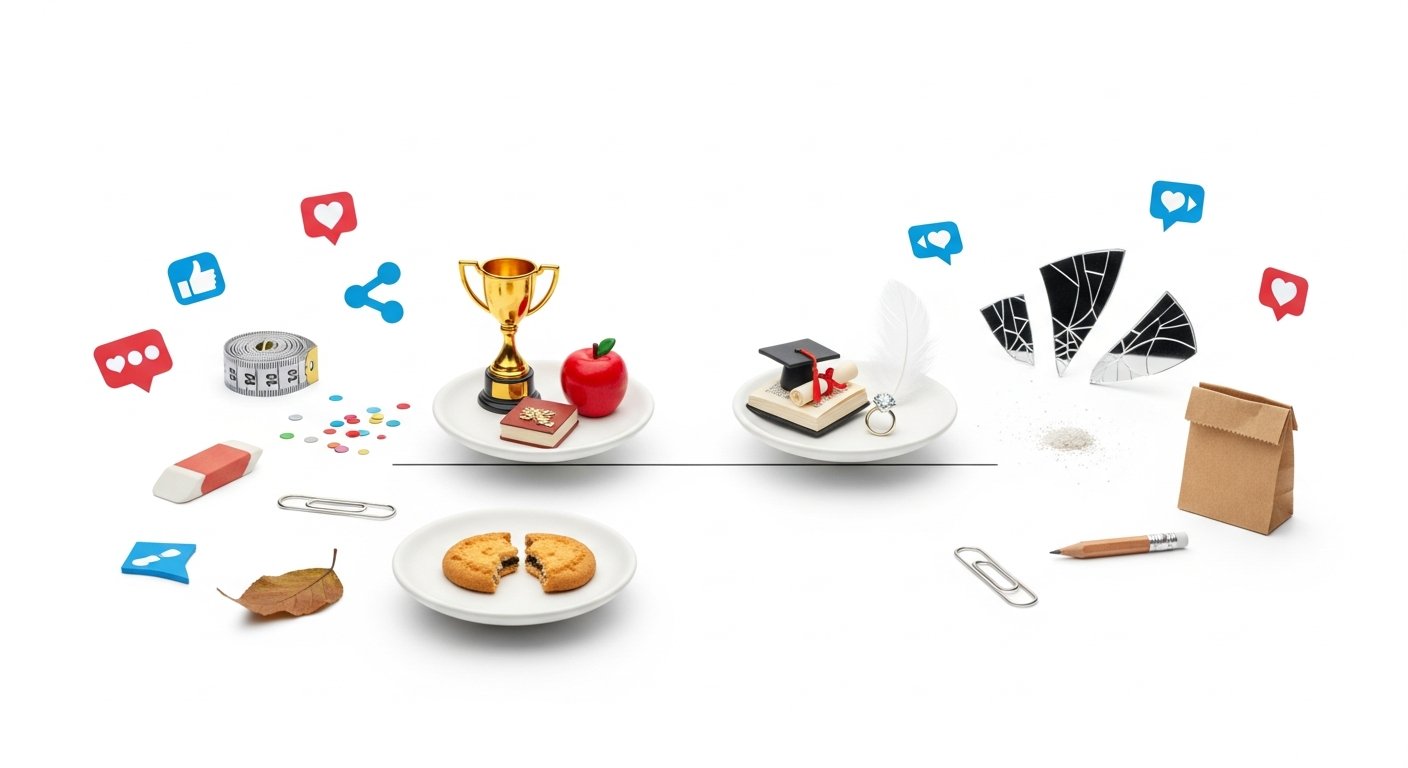
Our inclination to compare is not a flaw; it’s a deeply ingrained human trait. From an evolutionary perspective, social comparison helped our ancestors assess their standing within a tribe, identify potential threats or allies, and learn from others. It’s a mechanism for self-evaluation and self-improvement. However, the digital age has taken this ancient mechanism and supercharged it, often with detrimental effects.
Several psychological factors contribute to why we fall into the social media comparison trap:
* Social Comparison Theory: Developed by psychologist Leon Festinger, this theory posits that we have an innate drive to evaluate ourselves against others to gain an accurate self-assessment. While it can motivate us, in the context of social media’s curated content, it often leads to inaccurate and harmful self-assessments.
* Cognitive Biases: Our brains are wired with various shortcuts that can lead us astray. For instance, the availability heuristic makes us overemphasize information that is readily available (like a constant stream of perfect lives), while confirmation bias leads us to seek out and interpret information that confirms our existing beliefs (e.g., “I knew I wasn’t good enough”).
* Fear of Missing Out (FOMO): This powerful anxiety is directly fueled by social media comparison. Seeing others enjoy experiences, achieve milestones, or possess desirable items can trigger a profound sense of inadequacy and the fear that we are missing out on something essential for happiness or fulfillment.
* The Pursuit of Validation: In an effort to feel good about ourselves, many turn to social media for external validation – likes, comments, shares. While a temporary boost is possible, this reliance on external affirmation creates a fragile sense of self-worth that can be shattered by perceived slights or a lack of engagement, further pushing us into the comparison cycle.
* Misinterpretations of Success: We often attribute others’ successes to their inherent qualities or luck, while attributing our own failures to personal shortcomings. This skewed perception prevents us from seeing the effort, failures, and privileges that often underpin others’ achievements, making our own journey seem less significant.
The problem isn’t comparison itself; it’s the environment in which we’re comparing. Offline, we compare ourselves to a more realistic, three-dimensional portrayal of others – we see their struggles, hear their doubts, and understand the context of their successes. Online, we’re comparing our authentic, messy selves to an idealized, two-dimensional projection. This fundamental mismatch is precisely why the comparison trap on social media hurts so much, eroding our self-esteem and fostering a pervasive sense of discontent.
The Hidden Costs: How Comparison Erodes Self-Esteem and Well-being
The continuous cycle of social media comparison takes a significant toll on our mental and emotional health. It’s not just a fleeting bad mood; it can have profound, long-term effects on our self-perception and overall well-being.
* Diminished Self-Worth: Perhaps the most direct consequence, constant comparison can severely undermine our sense of self-worth. When we continually measure ourselves against unattainable ideals, we inevitably fall short, leading to feelings of inadequacy, self-doubt, and low self-esteem. We begin to question our own achievements, talents, and even our intrinsic value as individuals.
* Increased Anxiety and Depression: Research consistently links heavy social media use, particularly when it involves comparison, to higher rates of anxiety and depressive symptoms. The pressure to present a perfect life, the fear of not measuring up, and the constant exposure to others’ seemingly flawless existences can create a breeding ground for these mental health challenges. FOMO, in particular, is a significant driver of anxiety, keeping us tethered to our screens for fear of missing an important update or event.
* Negative Body Image: Social media, with its filters, curated aesthetics, and emphasis on physical appearance, has a particularly strong impact on body image. Constant exposure to idealized bodies can lead to body dissatisfaction, disordered eating patterns, and a distorted perception of what is “normal” or “beautiful.” This affects individuals of all genders and ages, but disproportionately impacts younger generations.
* Erosion of Authentic Connection: Paradoxically, a platform designed for connection can actually isolate us. When we’re caught in the comparison trap, we might feel too insecure to reach out to others, or we might focus more on presenting a perfect image than on genuinely connecting. The energy we spend comparing could be spent nurturing real-world relationships, hobbies, or personal growth.
* Stifled Creativity and Ambition: If we constantly feel that others are “doing better,” it can be demotivating. Why pursue that dream job if someone else already has a more impressive one? Why start a new hobby if others are already experts? Comparison can stifle our own unique paths and ambitions, making us hesitant to take risks or celebrate our own incremental progress.
* The Hedonic Treadmill: This psychological concept suggests that humans quickly return to a relatively stable level of happiness despite major positive or negative events. On social media, even if we achieve a goal or acquire something desirable, seeing someone else with “more” or “better” can quickly negate our satisfaction, trapping us in an endless cycle of wanting more and feeling perpetually unsatisfied.
The hidden costs of social media comparison are not just individual; they can ripple through our relationships, our productivity, and our overall joy in life. Recognizing these costs is the first critical step towards disarming the comparison trap and fostering a healthier relationship with technology and, more importantly, with ourselves.
Reclaiming Your Narrative: Practical Strategies for Mindful Social Media Use

The good news is that you are not powerless against the comparison trap. By adopting mindful practices and intentionally reshaping your digital habits, you can reclaim your narrative and protect your self-esteem. Here are actionable strategies:
1. Conduct a Digital Audit and Self-Assessment
* Track Your Time: Use your phone’s built-in tools (Screen Time on iOS, Digital Wellbeing on Android) or third-party apps to monitor exactly how much time you spend on social media. Awareness is the first step.
Identify Your Triggers: Pay attention to how you feel before, during, and after* scrolling. Which accounts or types of content consistently leave you feeling worse? Which times of day are you most susceptible to comparison? Journaling about your feelings can be incredibly insightful.
* Mindful Check-ins: Before opening an app, ask yourself: “Why am I opening this? What do I hope to gain?” After closing it, ask: “How do I feel now? Was this time well spent?”
2. Curate Your Digital Environment
* Unfollow, Unfriend, Mute: Be ruthless. If an account consistently makes you feel inadequate, envious, or anxious, unfollow it. This isn’t about shaming others; it’s about protecting your mental health. The mute button is your friend for people you can’t unfollow (e.g., family members, colleagues) but whose content is detrimental.
* Follow Inspiring Accounts: Actively seek out and follow accounts that genuinely uplift you, educate you, make you laugh, or provide real value. Think about artists, educators, wellness coaches, environmentalists, or small businesses you admire.
* Diversify Your Feed: If your feed is dominated by one type of content (e.g., fitness models, travel influencers), consciously seek out different perspectives and experiences. This helps break the illusion of a monolithic “perfect life.”
3. Set Clear Boundaries and Intentions
* Establish “No-Phone Zones”: Designate specific areas or times as phone-free, such as the dinner table, the bedroom, or during conversations with loved ones. This reinforces the importance of real-world presence.
* Schedule Your Scrolling: Instead of mindlessly opening apps throughout the day, dedicate specific, limited times for social media engagement. Treat it like any other scheduled activity.
* Digital Detoxes: Experiment with short digital breaks – an hour, an evening, a weekend, or even a full week. Notice the impact on your mood, productivity, and sense of presence.
* Turn Off Notifications: Notifications are designed to pull you back into the app. Disabling them for social media apps significantly reduces the urge to constantly check your phone and break your focus.
4. Practice Mindful Engagement
* Engage with Purpose: Instead of passive consumption, choose to engage actively and meaningfully. Comment genuinely, share thoughtfully, and connect with people rather than just observing.
Question the Narrative: When you see a “perfect” post, remind yourself of the curated nature of social media. Ask: “What am I not* seeing here? What effort went into creating this image? Is this truly representative of their entire life?”
* Practice Self-Compassion: If you find yourself comparing, don’t beat yourself up. Acknowledge the feeling, remind yourself it’s a common human experience, and gently redirect your focus back to your own values and journey.
By implementing these strategies, you’re not just reducing screen time; you’re actively shaping a healthier, more intentional relationship with social media, paving the way for greater self-esteem and genuine well-being.
Cultivating Authentic Self-Worth Beyond the Screen
While managing social media use is crucial, true self-worth is built from within, independent of external validation or comparisons. This journey requires intentional effort to nurture your inner world and find fulfillment in your own unique path.
1. Embrace Self-Compassion
* Treat Yourself Like a Friend: When you encounter a setback or feel inadequate, instead of harsh self-criticism, ask yourself: “What would I say to a dear friend in this situation?” Offer yourself the same kindness, understanding, and encouragement.
* Acknowledge Common Humanity: Remind yourself that suffering, imperfection, and struggle are universal human experiences. You are not alone in your feelings of inadequacy or challenge; everyone faces them, even those whose lives appear perfect online.
* Mindful Self-Talk: Become aware of your inner dialogue. Challenge negative self-talk and replace it with affirmations of your strengths, progress, and inherent worth.
2. Practice Gratitude
* Gratitude Journaling: Regularly write down things you are grateful for, no matter how small. This practice shifts your focus from what you lack to what you have, fostering contentment and appreciation for your own life.
* Express Appreciation: Actively express gratitude to others, whether through words, notes, or small gestures. This not only strengthens your relationships but also reinforces your own sense of connection and appreciation.
3. Cultivate Real-World Connections
* Prioritize Face-to-Face Interaction: Make a conscious effort to spend quality time with friends, family, and loved ones in person. These interactions provide genuine support, empathy, and a sense of belonging that screens cannot replicate.
* Engage in Shared Activities: Join clubs, volunteer groups, sports teams, or classes that align with your interests. Shared experiences build deeper bonds and a sense of community.
* Be Present: When you are with others, put your phone away. Practice active listening and fully engage in the conversation. This “Stop Phubbing” principle is vital for nurturing authentic relationships.
4. Develop Intrinsic Motivations and Hobbies
* Pursue Passions for Their Own Sake: Engage in activities you genuinely enjoy, simply because they bring you joy, satisfaction, or a sense of accomplishment, not for likes or external validation. This could be anything from painting and gardening to learning a new language or hiking.
* Focus on Mastery and Growth: Instead of comparing your progress to others, focus on your own growth curve. Celebrate small wins, acknowledge your effort, and embrace the learning process.
* Define Your Values: Take time to reflect on what truly matters to you in life. What are your core values? When you live in alignment with your values, you build a strong inner compass that guides your choices and fosters a deeper sense of purpose and self-worth, regardless of what others are doing.
5. Embrace Imperfection
* Challenge Perfectionism: Understand that perfection is an illusion and an exhausting pursuit. Embrace your flaws, mistakes, and vulnerabilities as part of being human.
* Share Your Authentic Self: When appropriate, share your struggles and imperfections with trusted friends or family. This vulnerability can deepen connections and free you from the burden of maintaining a flawless facade.
Building authentic self-worth is an ongoing journey, not a destination. It involves consistent self-awareness, intentional choices, and a commitment to nurturing your inner life. By shifting your focus from external validation to internal strength, you create a resilient foundation that is impervious to the shifting sands of social media trends and comparisons.
From Comparison to Connection: Building a Stronger Inner Foundation
The journey from the comparison trap to genuine self-worth is transformative. It’s a shift from looking outward for validation to cultivating an unshakable inner foundation. When you stop measuring your life against an idealized online standard, you free up immense mental and emotional energy to invest in what truly matters: your own growth, your authentic connections, and your unique contributions to the world.
This isn’t about abandoning social media entirely. It’s about empowerment – taking control of how these platforms influence your well-being. It’s about recognizing that your inherent worth is not determined by the number of likes, the perceived perfection of your life online, or how you stack up against others’ highlight reels. Your worth is intrinsic, immutable, and entirely your own.
By implementing the strategies outlined – mindful social media use, radical self-compassion, cultivating gratitude, prioritizing real-world connections, and embracing your authentic self – you begin to build a robust inner ecosystem. This inner strength allows you to navigate the digital world with resilience, enjoying its benefits without falling prey to its pitfalls.
The Stop Phubbing philosophy is deeply intertwined with this journey. When we are present, engaged, and genuinely connected in our real-world interactions, we naturally reduce our reliance on digital validation. We experience the richness of shared moments, the warmth of true empathy, and the profound satisfaction of authentic human connection. This presence grounds us, reminding us that the most valuable experiences are often found not on a screen, but in the vibrant, imperfect, and beautiful reality of our own lives.
Reclaim your narrative. Choose connection over comparison. And remember, your journey is uniquely yours, perfectly imperfect, and profoundly valuable.