

Navigating the Digital Tides: A Comprehensive Guide to Reducing Teen Screen Time in 2026
Understanding the “Why”: The Impact of Excessive Screen Time on Teens
Before diving into solutions, it’s crucial to understand why mindful screen time management is so important for teenagers. Their brains are still developing, making them particularly susceptible to the influences of their environment, including digital ones. Research consistently points to several key areas where excessive screen time can have a significant impact:
- Mental Health: Studies suggest a correlation between high screen time and increased rates of anxiety, depression, loneliness, and low self-esteem in adolescents. The curated realities of social media can foster comparison and a sense of inadequacy, while constant digital stimulation can disrupt the brain’s natural ability to regulate mood and process emotions. The pressure to be “always on” can lead to chronic stress and burnout.
- Sleep Quality: The blue light emitted by screens suppresses melatonin production, making it harder for teens to fall asleep and achieve restful sleep. Late-night scrolling or gaming can delay sleep onset, leading to sleep deprivation, which in turn affects concentration, mood, and overall physical health.
- Academic Performance: While screens can be valuable learning tools, excessive use often leads to distraction during homework, reduced attention spans in class, and a general decline in academic focus. The instant gratification of digital entertainment can make sustained effort on academic tasks feel less appealing.
- Social Skills and Connection: Paradoxically, while screens connect teens digitally, excessive reliance on virtual interactions can sometimes hinder the development of crucial in-person social skills like reading body language, empathy, and conflict resolution. Phubbing, or snubbing someone in favor of a phone, can erode real-world relationships and create emotional distance within families and friendships.
- Physical Health: Prolonged sedentary screen time contributes to a lack of physical activity, increasing the risk of obesity and related health issues. Eyestrain, headaches, and poor posture are also common complaints associated with excessive digital device use.
It’s vital to frame these potential impacts not as accusations, but as genuine concerns rooted in a desire for their well-being. Our goal isn’t to eliminate screens, but to help teens develop a healthy relationship with technology that supports, rather than detracts from, their overall growth and happiness.
Fostering Open Communication: The Foundation of Change

Any successful effort to reduce teen screen time must begin with open, non-judgmental communication. Teenagers are more likely to resist rules imposed upon them without their input. Instead, aim for a collaborative approach that respects their autonomy while guiding them toward healthier choices.
- Start with Empathy, Not Accusation: Instead of “You’re always on your phone!” try, “I’ve noticed you’ve been spending a lot of time on your screen lately, and I’m a bit concerned about how it might be affecting your sleep/mood/schoolwork. Can we talk about it?” Validate their feelings and acknowledge the importance of their digital world.
- Listen Actively: Ask open-ended questions and truly listen to their responses. “What do you enjoy most about being online?” “What are your friends doing digitally?” “Do you ever feel overwhelmed or stressed by your screen time?” Understanding their motivations and experiences is key to finding common ground. They might be using screens to connect with friends, escape stress, or explore new interests.
- Share Your Concerns Genuinely: Explain the “why” behind your concerns, linking it back to their well-being. For example, “I worry about your sleep because I know how important it is for your energy and focus at school,” or “I miss our family conversations when everyone’s looking at a screen.”
- Collaborative Goal-Setting: Involve them in finding solutions. “What do you think would be a healthy amount of screen time for you?” “Are there times you could be doing something else you enjoy?” “What would help you disconnect more easily?” When teens have a say in setting the rules, they’re more likely to adhere to them. This taps into their intrinsic motivation and desire for self-control.
- Focus on “Adding In,” Not Just “Taking Away”: Instead of just removing screen time, discuss what they could add to their lives. “What activities would you like to try if you had more free time?” This shifts the focus from deprivation to opportunity.
Remember, this is an ongoing dialogue, not a one-time conversation. Regular check-ins, delivered with warmth and understanding, will reinforce your commitment to their well-being and strengthen your relationship.
Practical Strategies for Teens: Taking Ownership of Digital Habits
- Digital Detox Hours: Encourage setting specific times each day or week for being completely screen-free. This could be during meals, an hour before bed, or for a designated period on weekends. A “digital sabbath” – a longer screen-free period – can also be powerful.
- Mindful Scrolling and Gaming: Instead of endless scrolling, encourage intentional use. Before opening an app, teens can ask themselves: “What is my goal here?” Setting a timer for 15-20 minutes for social media or gaming sessions can help prevent falling into a time-suck. Many apps now have built-in timers and usage reports that can aid in this.
- Notifications Management: The constant ping of notifications pulls attention away from real-life moments. Advise teens to turn off non-essential notifications, especially for social media apps. Setting “Do Not Disturb” hours, particularly during school and sleep, can dramatically reduce interruptions.
- The “Charging Station” Rule: Designate a central charging spot outside of bedrooms. This simple rule can improve sleep quality and prevent late-night digital temptations. If the phone isn’t in their room, they’re less likely to reach for it.
- Screen-Free Zones and Activities: Identify specific areas in the house (e.g., dining table, family room during certain hours) where screens are not allowed. Encourage exploring alternative hobbies and activities that genuinely interest them – sports, art, music, reading, volunteering, coding, or learning a new skill. Sometimes, boredom is the catalyst for creativity.
- Utilizing Tech for Good: Not all screen time is equal. Encourage apps that foster learning, creativity, fitness, or connection with positive communities. For example, using YouTube for educational tutorials, apps for language learning, or platforms for digital art.
- The “Why” Reminders: Help them articulate their personal reasons for wanting to reduce screen time (e.g., “I want better sleep,” “I want to focus more on my art,” “I want to hang out with friends more”). Writing these down and placing them somewhere visible can serve as a powerful motivator.
The key is to frame these as tools for self-improvement and reclaiming control over their time and attention, rather than as restrictive rules.
Empowering Parents: Guiding Without Dictating

Parents play a pivotal role in shaping a teenager’s digital habits, not just through rules, but through modeling and creating a supportive environment.
- Lead by Example: This is perhaps the most critical strategy. If parents are constantly glued to their phones, it sends a mixed message. Model the behavior you wish to see: put your phone away during family meals, engage in screen-free activities, and be present during conversations. Acknowledge your own struggles with screen time and discuss how you manage it.
- Family Digital Pacts: Rather than unilateral rules, create a “Family Digital Wellness Pact” together. This agreement, co-created and signed by everyone, outlines shared expectations for screen use, screen-free times, and consequences. It fosters a sense of shared responsibility and respect.
- Tech-Free Family Time: Intentionally schedule regular screen-free family activities. This could be a weekly game night, a hike, cooking together, or simply a conversation in the living room. These moments build stronger family bonds and provide alternatives to screen-based entertainment.
- Leverage Device Management Tools (Collaboratively): Explore router settings that allow you to pause internet access for specific devices at certain times (e.g., during homework or bedtime). Many operating systems offer robust parental control features to set app limits or content filters. The key is to discuss these tools with your teen, explaining their purpose, and ideally, getting their input on how they can be used to support their goals. Transparency builds trust.
- Encourage Offline Hobbies and Interests: Actively support and facilitate your teen’s engagement in real-world activities. Drive them to sports practices, sign them up for art classes, encourage volunteering, or simply provide materials for creative pursuits. Help them discover passions that offer a sense of accomplishment and connection beyond screens.
- Praise and Positive Reinforcement: Acknowledge and praise their efforts and successes, no matter how small. “I really appreciated that you put your phone away during dinner tonight,” or “It was great seeing you spend time on your drawing instead of gaming.” Focus on progress, not perfection. Celebrate the moments of authentic connection and engagement.
Parental guidance is about nurturing self-regulation and resilience, not just enforcing limits. It’s a marathon, not a sprint, requiring patience and consistent effort.
The Power of Connection: Reclaiming Real-World Interactions
At the heart of reducing screen time is often a desire to reclaim authentic human connection. For teenagers, this means fostering both family bonds and meaningful friendships.
- Prioritizing Face-to-Face Time: Encourage and facilitate opportunities for teens to spend time with friends in person. Organize movie nights, park visits, or simply offer your home as a gathering place. These interactions are crucial for developing empathy, communication skills, and a sense of belonging that digital connections often struggle to fully replicate.
- Family Bonding Activities: Beyond just tech-free meals, actively seek out experiences that bring the family together. Board games, outdoor adventures, cooking projects, or even a shared learning experience can create lasting memories and reinforce the value of presence over screens.
- Community Involvement: Encourage volunteering or participation in community groups. This not only provides a sense of purpose but also introduces them to new social circles and real-world problems, broadening their perspective beyond their digital feed.
- Embrace Boredom: In our hyper-stimulated world, boredom is often quickly filled with a screen. Yet, boredom is a powerful catalyst for creativity, problem-solving, and self-reflection. Allow moments of unstructured time where teens have to entertain themselves, fostering imagination and independent thought.
- Active Listening and Presence: When your teen does engage with you, put your own phone down, make eye contact, and give them your full attention. Model what it means to be truly present and engaged in a conversation. This validates their feelings and strengthens your relationship.
Cultivating a rich tapestry of real-world connections and experiences provides compelling alternatives to the digital world, naturally drawing teens away from excessive screen time.
Navigating Challenges and Building Resilience
Reducing screen time is rarely a smooth process. There will be pushback, frustration, and moments of relapse. This is normal, and navigating these challenges together is part of building resilience.
- Expect Resistance: Teenagers thrive on autonomy and social connection, both of which screens often provide. Expect initial resistance, complaints, or even anger. Validate their feelings (“I know this feels restrictive, and it’s hard to miss out on what your friends are doing”), but hold firm on the agreed-upon boundaries.
- Be Consistent and Patient: Habits take time to form and break. Consistency from parents is key. If rules are sometimes enforced and sometimes not, teens will quickly learn to test the boundaries. Patience is equally important; small steps forward are still progress.
- Address Underlying Issues: Sometimes, excessive screen time can be a coping mechanism for deeper issues like anxiety, loneliness, academic stress, or bullying. If you suspect this, addressing the root cause with empathy and support is crucial. This might involve seeking professional help.
- Celebrate Small Victories: Acknowledge every positive step, no matter how minor. “You went an hour without your phone tonight – that’s fantastic!” Positive reinforcement encourages continued effort.
- Review and Adjust: The digital landscape and your teen’s needs will change. Regularly review your family’s digital pact. Is it still working? Are there new challenges or opportunities? Be flexible enough to adjust rules as needed, always maintaining the core goal of balance and well-being.
- Seek Professional Help When Needed: If screen use is severely impacting your teen’s mental health, academic performance, or social life, and family interventions aren’t sufficient, consider consulting with a therapist or a digital wellness expert. They can offer tailored strategies and support for both the teen and the family. Signs of problematic use might include extreme irritability when asked to disconnect, neglect of responsibilities, or withdrawal from real-world activities.
Conclusion
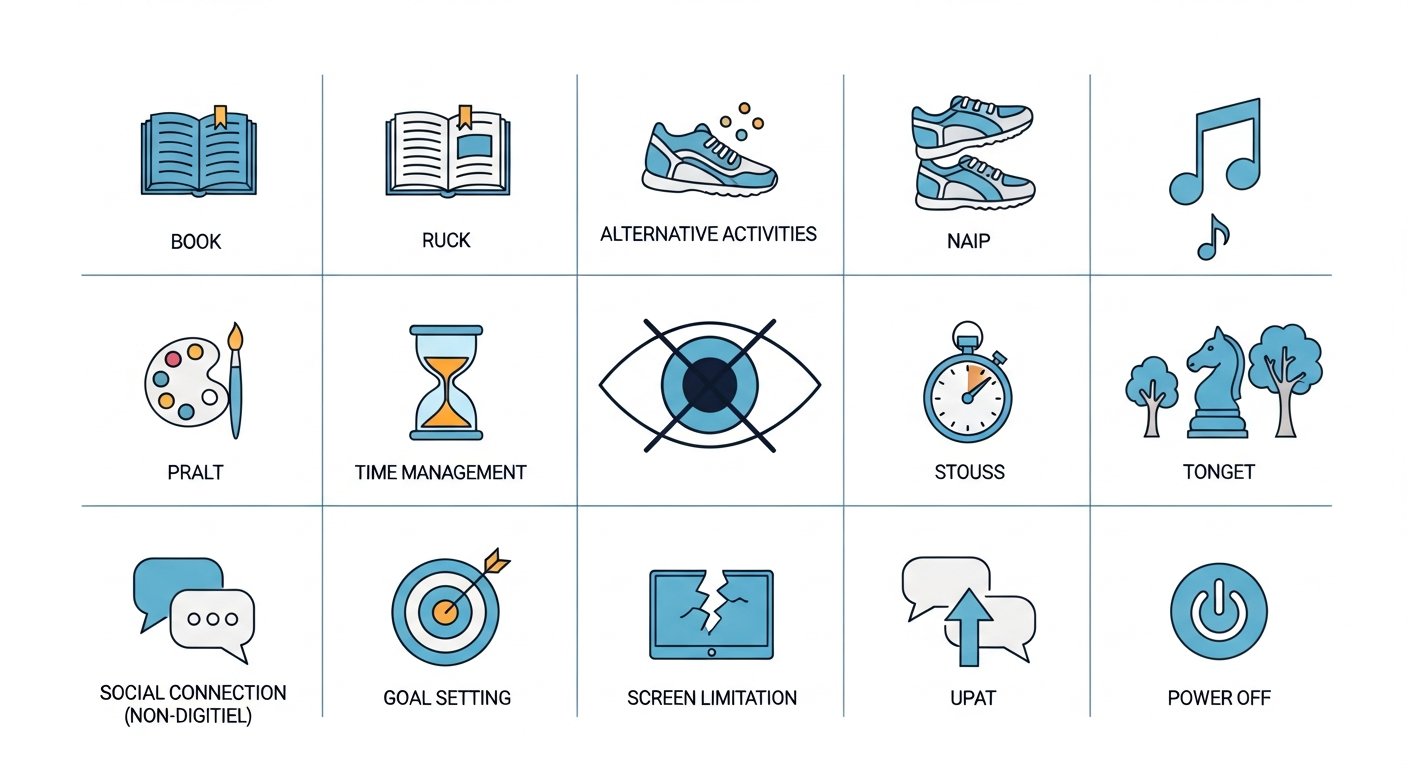
Navigating the digital landscape with teenagers in 2026 is an ongoing journey that demands empathy, patience, and a commitment to authentic connection. It’s not about winning a battle against technology, but about empowering our teens to build a balanced, fulfilling life where screens serve as tools for growth and connection, rather than distractions from it. By fostering open communication, modeling mindful habits, and creating a supportive environment rich with real-world experiences, we can guide our teenagers toward developing healthy digital wellness habits that will benefit their mental health, relationships, and overall well-being for years to come. Let’s work together to cultivate a generation that is not just digitally fluent, but also deeply connected to themselves, their loved ones, and the vibrant world around them.