

Unmasking Gaslighting: A Comprehensive Guide to Understanding, Identifying, and Healing from Manipulative Relationships
What is Gaslighting? Defining the Manipulation
The term “gaslighting” originated from the 1938 play and later 1944 film “Gas Light,” in which a manipulative husband slowly dims the gaslights in their home while convincing his wife that she is imagining the changes, making her question her sanity. Today, gaslighting is understood as a form of psychological manipulation where an abuser makes someone doubt their own memory, perception, or sanity. It’s a calculated, often subtle, campaign designed to destabilize the victim’s sense of self and reality, ultimately granting the gaslighter power and control.
Unlike a simple disagreement or an honest mistake, gaslighting is characterized by a persistent pattern of denial, contradiction, and distortion of facts. The goal isn’t just to win an argument; it’s to dismantle the victim’s trust in their own judgment. Over time, the victim internalizes the gaslighter’s narrative, leading to profound confusion, anxiety, and a devastating loss of self-esteem. It’s a form of emotional abuse that attacks the very foundation of a person’s identity.
Psychologically, gaslighting creates a state of cognitive dissonance within the victim. They hold two conflicting beliefs simultaneously: their own memory or perception, and the gaslighter’s insistent denial or distortion. To resolve this uncomfortable tension, the victim often begins to doubt themselves, especially if the gaslighter is a trusted partner, family member, or friend. This makes gaslighting particularly dangerous, as the source of the abuse is often someone the victim loves and relies upon, making it incredibly difficult to identify and resist.
The Subtle (and Not-So-Subtle) Tactics of a Gaslighter

Gaslighting rarely happens overnight. It’s a gradual process, often starting with small, seemingly insignificant acts of invalidation that escalate over time. Understanding these common tactics is the first step toward recognizing gaslighting in your own relationships:
- Denial and Contradiction: “I never said that,” “You’re imagining things.”
This is perhaps the most common tactic. A gaslighter will flat-out deny conversations, events, or promises they made, even with clear evidence. They might say, “That never happened,” or “You’re making things up.” This forces you to question your memory of shared experiences. For example, you might recall a specific conversation about a future plan, only for your partner to later deny it ever took place, leaving you bewildered.
- Minimization: “You’re overreacting,” “It’s not a big deal.”
When you express valid concerns or feelings, the gaslighter will trivialize them, making you feel foolish or overly sensitive. If you’re upset about a broken promise, they might respond, “Why are you making such a mountain out of a molehill?” This invalidates your emotional experience and teaches you to suppress your feelings.
- Diversion and Blame-Shifting: “Why are you always bringing this up? You’re the problem.”
Instead of addressing the issue at hand, a gaslighter will deflect by turning the blame back on you. If you confront them about their behavior, they might say, “The reason I acted that way is because you provoked me,” or “You’re always so negative, that’s why our relationship is struggling.” This tactic avoids accountability and keeps you on the defensive.
- Questioning Your Sanity: “Are you losing your mind?” “You need help.”
This is a particularly cruel and damaging tactic. The gaslighter directly attacks your mental state, suggesting you are unstable, irrational, or even mentally ill. “Everyone knows you’re crazy,” or “I’m worried about your memory, you should see a doctor,” are common phrases. This is designed to isolate you and make you doubt your own perceptions so profoundly that you become dependent on their “reality.”
- Invalidation of Feelings: “You shouldn’t feel that way,” “That’s not how you feel.”
A gaslighter dictates your emotional experience, telling you how you should or shouldn’t feel. If you say you’re hurt, they might retort, “You have no right to be hurt,” or “You’re not actually sad, you’re just trying to manipulate me.” This denies your fundamental right to your own emotions and creates confusion about your internal world.
- Triangulation: “Everyone agrees with me, not you.”
The gaslighter brings in external parties, often falsely, to support their narrative and invalidate yours. They might claim, “Our friends think you’re being unreasonable too,” or “My family always says you’re difficult.” This makes you feel isolated and outnumbered, even if these external parties have no idea they’re being used in this way.
- Feigning Concern/Pity: “I’m only saying this because I care about you.”
Sometimes, a gaslighter will mask their manipulation under the guise of concern. They might say, “I’m just worried about your mental health, you’re so forgetful lately,” while simultaneously denying something they did. This makes it harder for the victim to identify the abuse, as it’s cloaked in what appears to be care.
Why Does Gaslighting Happen? The Psychology Behind the Manipulator
Understanding the motivations behind gaslighting doesn’t excuse the behavior, but it can provide clarity for the victim. Gaslighting is almost always rooted in a deep-seated need for control and power, often stemming from the gaslighter’s own insecurities or personality traits.
- Need for Control and Dominance: At its core, gaslighting is about maintaining power. By eroding a victim’s self-trust, the gaslighter ensures they remain the primary source of “truth” and validation. This can stem from a profound fear of abandonment, a desire to dictate the relationship’s terms, or simply an enjoyment of feeling superior.
- Insecurity and Low Self-Esteem: Paradoxically, many gaslighters are deeply insecure. They may project their own flaws and anxieties onto others. By making someone else “crazy” or “wrong,” they elevate themselves and avoid confronting their own shortcomings. Admitting fault or taking responsibility is too threatening to their fragile ego.
- Personality Traits and Disorders: Gaslighting is a common tactic used by individuals with certain personality traits or disorders, such as Narcissistic Personality Disorder (NPD) or Antisocial Personality Disorder (ASPD). These individuals often lack empathy, have an inflated sense of self-importance, and are skilled manipulators. For them, twisting reality is a means to an end, with little regard for the emotional damage inflicted.
- Avoidance of Accountability: Gaslighting allows the manipulator to avoid taking responsibility for their actions. If they can convince you that you imagined an event or that your feelings are invalid, they don’t have to face the consequences of their behavior. It’s an escape hatch from guilt or blame.
- Learned Behavior: Sometimes, gaslighters may have learned these manipulative tactics from their own upbringing or past relationships. They may have been gaslighted themselves and perpetuate the cycle, not necessarily out of malice, but because it’s the only way they know how to interact or cope with conflict.
- Fear of Exposure: Gaslighters often live with secrets or maintain a carefully constructed facade. They use gaslighting to prevent their true character or past actions from being exposed. By discrediting their partner, they ensure that any uncomfortable truths remain buried.
Regardless of the underlying psychological reasons, the impact on the victim is severe. The gaslighter’s motivations, while potentially complex, do not justify the abuse. The focus must always remain on the victim’s safety and well-being.
The Devastating Impact: How Gaslighting Erodes Your Sense of Self
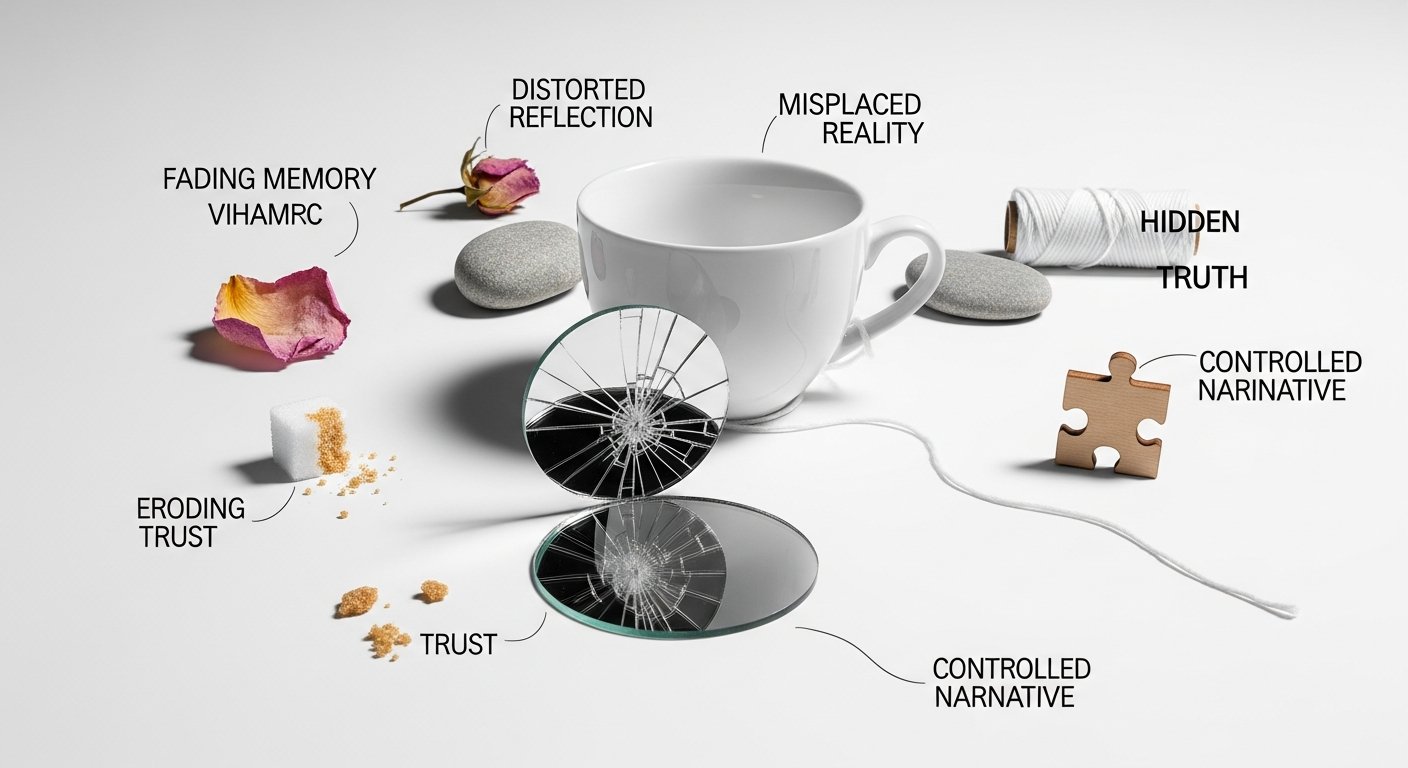
The insidious nature of gaslighting means its effects are often gradual, making it difficult for victims to pinpoint when and how their reality began to unravel. Over time, the constant invalidation and psychological manipulation can have a profound and devastating impact on every facet of a person’s life:
- Profound Self-Doubt and Confusion: The most hallmark symptom is a pervasive sense of self-doubt. You constantly question your memories, thoughts, and perceptions, even when logic suggests otherwise. You might find yourself saying, “Am I going crazy?” or “Maybe they’re right, maybe I am too sensitive.”
- Anxiety, Depression, and PTSD: Living under constant psychological attack creates a state of chronic stress. Victims often experience heightened anxiety, panic attacks, depression, and even symptoms akin to Post-Traumatic Stress Disorder (PTSD) due to the ongoing trauma.
- Loss of Identity and Self-Esteem: Your sense of who you are becomes intertwined with the gaslighter’s narrative. Your interests, beliefs, and even personality traits might be slowly chipped away or criticized until you no longer recognize yourself. Your self-worth plummets, making you feel worthless and unlovable.
- Isolation and Withdrawal: Gaslighters often isolate their victims from friends and family, making it harder to get external validation. You might stop sharing your experiences for fear of being told you’re “crazy” or “overreacting” by the gaslighter, or by others who have been influenced by their narrative. This isolation can lead to increased reliance on digital connections or escapism, further distancing you from supportive real-world relationships, which aligns with the core concerns of Stop Phubbing.
- Difficulty Making Decisions: With your trust in your own judgment eroded, making even simple decisions becomes incredibly challenging. You might constantly seek approval or validation from the gaslighter, further entrenching the power imbalance.
- Physical Symptoms: The chronic stress of gaslighting can manifest physically. Headaches, digestive issues, sleep disturbances, fatigue, and a weakened immune system are common.
- Emotional Numbness or Dysregulation: Some victims may become emotionally numb as a coping mechanism, while others experience extreme emotional swings, feeling overwhelmed and out of control.
- Erosion of Trust: Beyond trusting yourself, gaslighting shatters your ability to trust others, making it difficult to form healthy relationships in the future. You may become hypervigilant, constantly scanning for signs of manipulation in new interactions.
The cumulative effect of these impacts is a deep wound to the psyche, requiring significant time and effort to heal. Recognizing these signs in yourself or a loved one is a critical first step towards recovery.
Recognizing and Responding to Gaslighting: Steps Towards Reclaiming Your Reality
Escaping the fog of gaslighting is a challenging but entirely possible journey. Reclaiming your reality requires courage, self-compassion, and often, external support. Here are actionable steps you can take:
- Trust Your Gut Feeling (Your Inner Voice): The most crucial first step is to recognize that something feels wrong. If you constantly feel confused, anxious, or like you’re “going crazy” after interactions with a specific person, listen to that internal alarm. Your intuition is a powerful guide. Begin to trust yourself again, even if it feels terrifying.
- Document Everything: Keep a private journal, send yourself emails, or use a voice recorder (if legally and safely permissible). Note down specific incidents: what was said, when, and how you felt. This provides concrete evidence that you can refer back to when the gaslighter tries to distort your memory. For example, if they deny a promise, you can check your notes: “On Tuesday, you said we would…” This external validation is vital.
- Seek External Validation and Support: Talk to trusted friends, family members, or a therapist. Share your experiences and ask, “Does this sound normal to you? Am I seeing this correctly?” Hearing someone else confirm your perceptions can be incredibly validating and counteract the gaslighter’s narrative. Choose people who are objective and supportive, not those who might unknowingly enable the gaslighter.
- Set Clear Boundaries (and Enforce Them): This is challenging but essential. When a gaslighter tries to deny or distort, you can say, “I remember it differently, and I’m not going to argue about my memory,” or “I know what I saw/heard, and I’m not going to discuss it further.” You don’t need to convince them or win the argument. The goal is to protect your reality.
- Disengage and “Grey Rock”: Engaging in an argument with a gaslighter is often futile; they thrive on the debate and the opportunity to twist words. The “grey rock” method involves becoming as uninteresting and unresponsive as a grey rock. Offer brief, non-committal answers and avoid emotional reactions. “Okay,” “I understand you see it that way,” “That’s your opinion.” This starves the gaslighter of the emotional fuel they seek.
- Focus on Your Feelings, Not Their Facts: Instead of arguing about what happened, focus on how their behavior makes you feel. “When you deny what I clearly remember, I feel confused and hurt,” rather than “You’re lying about what you said.” This shifts the focus from a factual battle to your emotional experience, which they cannot deny as easily.
- Prioritize Self-Care and Self-Compassion: Gaslighting is traumatic. Dedicate time to activities that nurture your mind, body, and spirit. This could include mindfulness, exercise, hobbies, spending time in nature, or connecting with supportive people. Be kind to yourself; you are experiencing abuse, and your healing is paramount.
- Consider Professional Help: An individual therapist specializing in trauma or emotional abuse can be an invaluable resource. They can help you process the trauma, rebuild your self-esteem, validate your experiences, and develop healthy coping mechanisms. Couples counseling is generally not recommended unless the gaslighter genuinely acknowledges their behavior and is committed to profound change, which is rare.
- Develop a Safety Plan: If the gaslighting escalates into other forms of abuse (verbal, emotional, physical), or if you decide to leave the relationship, have a safety plan in place. This includes financial independence, a place to stay, and a support network. Your physical and emotional safety must be your top priority.
Remember, you are not responsible for the gaslighter’s behavior or their need for control. Your responsibility is to yourself and your well-being. Reclaiming your reality is an act of profound self-love.
Rebuilding After Gaslighting: Healing and Moving Forward
The journey of healing after experiencing gaslighting is a marathon, not a sprint. It involves reconnecting with yourself, re-establishing trust, and rebuilding a solid foundation for future relationships. This process is essential for embracing the authentic human connections that Stop Phubbing champions.
- Reconnecting with Your Inner Voice: After having your reality consistently questioned, your inner voice can become muted or untrustworthy. Engage in practices that help you listen to yourself again: journaling, meditation, spending time in quiet reflection, or creative pursuits. Relearn to identify and trust your own thoughts, feelings, and instincts.
- Intensive Therapy and Support: Individual therapy is often critical for processing the trauma of gaslighting. A therapist can help you understand the dynamics of the abuse, validate your experiences, grieve what you’ve lost, and develop tools to rebuild your self-esteem and boundaries. Support groups for survivors of emotional abuse can also provide a sense of community and shared understanding.
- Re-establish and Nurture Support Systems: Reach out to trusted friends and family members who believe and support you. Spend time with people who make you feel seen, heard, and valued. These authentic connections are vital for reminding you of your worth and providing a safe space to heal. Actively disengage from digital distractions when with these people, leaning into the present moment and genuine interaction.
- Practice Self-Compassion and Patience: Healing is not linear. There will be good days and challenging days. Be kind to yourself through the process. Understand that the psychological damage of gaslighting is deep, and it takes time to unravel years of manipulation. Celebrate small victories and acknowledge your resilience.
- Learn Healthy Communication and Relationship Dynamics: Part of healing involves learning what healthy communication and respectful relationships look like. Educate yourself on clear boundaries, active listening, mutual respect, and how to express your needs and feelings effectively without fear of invalidation. This empowers you to identify and choose healthy partners in the future.
- Set Future Boundaries: As you heal, you’ll become more adept at recognizing red flags. Establish clear boundaries for future relationships, both personal and professional. Understand your non-negotiables and communicate them assertively. This is about protecting your peace and preventing future manipulation.
- Reclaim Your Narrative: Write down your story. Acknowledge what happened, how it affected you, and how you are actively working to overcome it. This act of reclaiming your narrative can be incredibly empowering, turning you from a victim into a survivor and thriver.
Healing from gaslighting is a journey of rediscovery—rediscovering your strength, your truth, and your inherent worth. By doing so, you create space for truly authentic, respectful, and joyful human connections, free from the shadows of manipulation. Embrace the present and look forward to a future where your reality is your own, unwavering and strong.
Conclusion

Gaslighting is a profoundly damaging form of psychological manipulation that can leave you feeling lost, confused, and questioning your very sanity. It attacks the core of who you are, eroding your trust in yourself and your ability to connect authentically with others. Yet, understanding what gaslighting is, recognizing its tactics, and acknowledging its devastating impact are powerful first steps toward reclaiming your reality.
Remember, your perceptions are valid, your memories are real, and your feelings are your own. You have the right to your truth. By trusting your inner voice, seeking external validation, establishing firm boundaries, and prioritizing your well-being, you can begin the vital process of healing. This journey requires immense courage and self-compassion, but it is a journey towards empowerment, clarity, and the freedom to build relationships grounded in mutual respect and genuine connection.
At Stop Phubbing, we believe that authentic human connection thrives in environments of trust and respect, free from manipulation and emotional abuse. By unmasking gaslighting, you not only protect yourself but also contribute to a world where mindful living and true connection can flourish, unburdened by the shadows of digital distraction or psychological games. You are not alone, and you are capable of reclaiming your story and living in your truth.
“`json
{
“@context”: “https://schema.org”,
“@graph”: [
{
“@type”: “Article”,
“headline”: “Unmasking Gaslighting: A Comprehensive Guide to Understanding, Identifying, and Healing from Manipulative Relationships”,
“description”: “A comprehensive guide for Stop Phubbing readers to understand, identify, and heal from gaslighting in relationships, focusing on reclaiming reality and fostering authentic connections.”,
“image”: [
“https://www.stopphubbing.com/images/gaslighting-explanation.jpg”,
“https://www.stopphubbing.com/images/gaslighting-healing.jpg”
],
“datePublished”: “2026-03-15T09:00:00+08:00”,
“dateModified”: “2026-03-15T09:00:00+08:00”,
“author”: {
“@type”: “Person”,
“name”: “Stop Phubbing Team”
},
“publisher”: {
“@type”: “Organization”,
“name”: “Stop Phubbing”,
“logo”: {
“@type”: “ImageObject”,
“url”: “https://www.stopphubbing.com/logo.png”
}
},
“mainEntityOfPage”: {
“@type”: “WebPage”,
“@id”: “https://www.stopphubbing.com/blog/what-is-gaslighting-in-relationships-explained”
},
“keywords”: “gaslighting, gaslighting in relationships, what is gaslighting, identify gaslighting, emotional abuse, psychological manipulation, healing from gaslighting, relationship advice, digital wellness, mindful living, authentic connection, communication, boundaries, self-doubt, reclaim reality”,
“articleSection”: [
“What is Gaslighting? Defining the Manipulation”,
“The Subtle (and Not-So-Subtle) Tactics of a Gaslighter”,
“Why Does Gaslighting Happen? The Psychology Behind the Manipulator”,
“The Devastating Impact: How Gaslighting Erodes Your Sense of Self”,
“Recognizing and Responding to Gaslighting: Steps Towards Reclaiming Your Reality”,
“Rebuilding After Gaslighting: Healing and Moving Forward”
]
},
{
“@type”: “FAQPage”,
“mainEntity”: [
{
“@type”: “Question”,
“name”: “Is gaslighting always intentional?”,
“acceptedAnswer”: {
“@type”: “Answer”,
“text”: “While gaslighting is a deliberate pattern of behavior aimed at gaining control, the gaslighter may not always be consciously aware of the term ‘gaslighting’ or the full extent of the psychological damage they are inflicting. However, their actions are typically intentional in their desire to manipulate, avoid accountability, or maintain power. Rarely is true, systematic gaslighting accidental; it involves a consistent pattern of denial and distortion that goes beyond simple forgetfulness or disagreement.”
}
},
{
“@type”: “Question”,
“name”: “Can I gaslight someone accidentally?”,
“acceptedAnswer”: {
“@type”: “Answer”,
“text”: “It’s important to differentiate between gas