
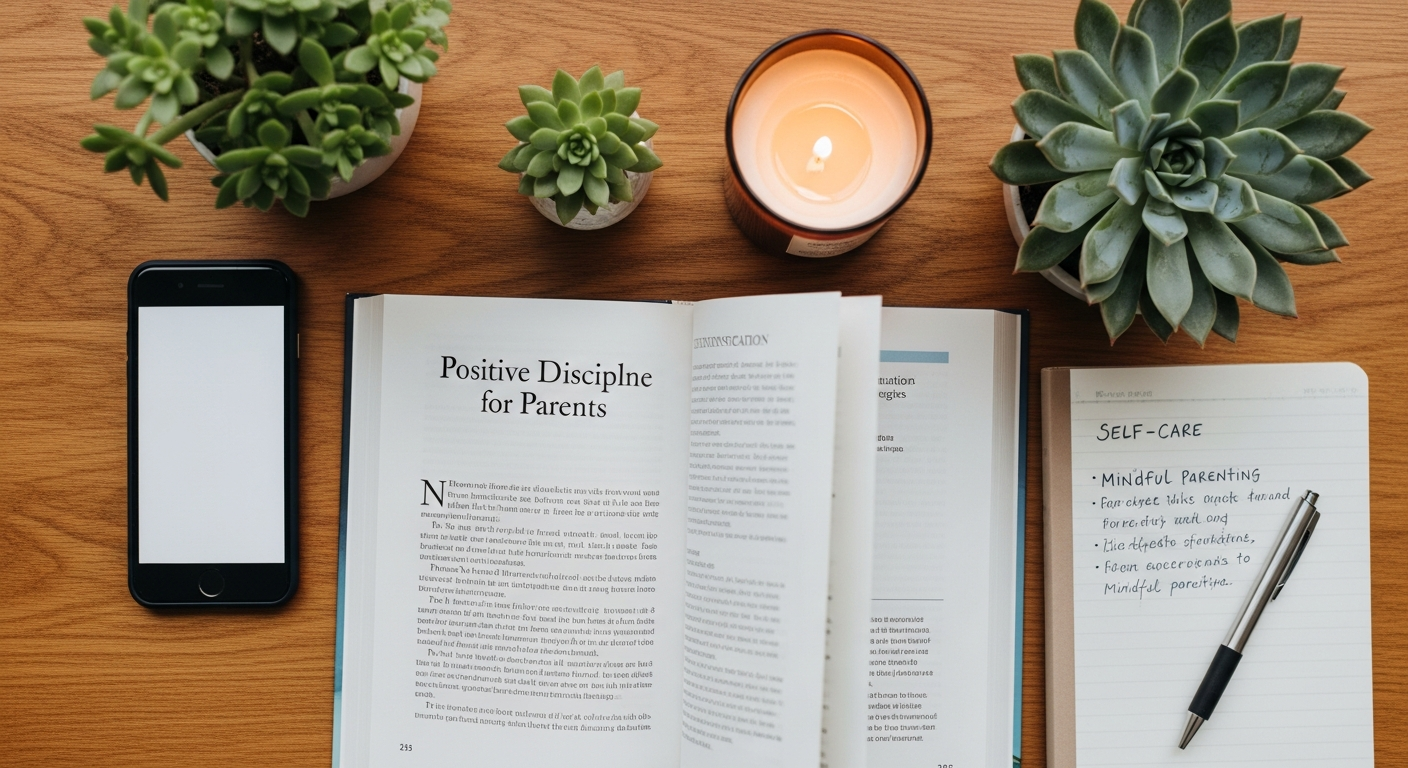
Understanding Positive Discipline: More Than Just “Being Nice”
Positive discipline is a philosophy and a set of practical techniques rooted in the belief that children are inherently capable and worthy of respect. It moves beyond traditional punitive methods, which often focus on stopping undesirable behavior in the short term, to an approach that teaches children valuable life skills for the long run. It’s about being both firm and kind at the same time, fostering a sense of belonging and significance in children. This approach recognizes that misbehavior is often a child’s way of communicating an unmet need or a lack of understanding regarding appropriate conduct.
At its core, positive discipline is built on a foundation of empathy. Instead of asking “How can I make my child do what I want?” it prompts parents to ask “What is my child learning from this interaction?” and “How can I help my child develop self-discipline, responsibility, and problem-solving skills?” This shift in perspective is crucial for mindful parenting. It encourages parents to be present, to observe their children’s behavior without immediate judgment, and to respond thoughtfully rather than react impulsively. This intentionality is a hallmark of digital wellness, where conscious choices replace automatic responses.
Many parents initially confuse positive discipline with permissiveness, believing it means no rules or consequences. This couldn’t be further from the truth. In fact, positive discipline emphasizes clear boundaries and consistent expectations, but it delivers them in a way that preserves the child’s dignity and strengthens the parent-child relationship. It teaches children that their actions have consequences, but those consequences are logical and respectful, not shaming or arbitrary. By focusing on solutions and learning, rather than punishment and blame, we empower children to become capable, contributing members of their families and communities. It’s an investment in their future, equipping them with the emotional toolkit they’ll need to navigate challenges, build healthy relationships, and manage their own lives effectively as they grow into adults by 2026 and beyond.
The Foundational Pillars of Positive Discipline
To truly understand and implement positive discipline, it’s essential to grasp its underlying principles. These pillars serve as a guiding compass for parents, helping them make intentional choices in their daily interactions with their children.
- Mutual Respect: This is perhaps the most critical pillar. Positive discipline operates on the premise that children deserve the same respect as adults, and vice versa. It means listening to children, validating their feelings (even if you don’t agree with their actions), and involving them in finding solutions. It also means parents respect themselves by setting firm boundaries and taking care of their own needs.
- Effectiveness in the Long Term: Unlike punitive measures that might temporarily stop a behavior but often lead to resentment or sneakiness, positive discipline aims for lasting change. It focuses on teaching life skills such as problem-solving, empathy, and self-regulation, which are vital for a child’s development and future success.
- Teaching Valuable Social and Life Skills: Every challenging situation is seen as an opportunity for learning. Instead of simply telling a child what not to do, positive discipline guides them toward understanding why certain behaviors are problematic and what constructive alternatives exist. This includes skills like cooperation, conflict resolution, and personal responsibility.
- Understanding the “Why” Behind Behavior: Positive discipline encourages parents to look beyond the surface behavior and try to understand the child’s underlying needs or motivations. Often, misbehavior stems from a child feeling discouraged, seeking attention, power, revenge, or demonstrating inadequacy. Addressing the root cause is far more effective than simply punishing the symptom.
- Encouragement Over Praise: While praise can be motivating, encouragement focuses on effort, improvement, and contribution rather than just the outcome. “I see how hard you worked on that puzzle!” is more encouraging than “You’re so smart!” Encouragement builds intrinsic motivation and resilience, helping children develop a belief in their own capabilities.
Practical Positive Discipline Techniques for Everyday Parenting

Translating the philosophy of positive discipline into daily practice requires a toolkit of effective strategies. These techniques are designed to address misbehavior while simultaneously teaching children crucial life skills, fostering cooperation, and strengthening family bonds. Remember, consistency and patience are key.
1. Logical and Natural Consequences
Rather than arbitrary punishments, positive discipline utilizes consequences that are directly related to the child’s actions.
- Natural Consequences: These occur without parental intervention. For example, if a child refuses to eat their dinner, the natural consequence is feeling hungry later. If they leave their toy outside, it might get wet or lost.
- Logical Consequences: These are implemented by the parent but are directly related to the misbehavior. They should be respectful, reasonable, and relevant. For instance, if a child makes a mess, the logical consequence is to clean it up. If they break a toy due to carelessness, the logical consequence might be that they help fix it or save up to replace it. Always discuss consequences beforehand, so children understand the connection between their actions and the outcomes.
2. “Time-In” Instead of “Time-Out”
While traditional time-outs can isolate a child and make them feel shamed, “time-in” focuses on helping a child regulate their emotions and re-connect. When a child is overwhelmed or misbehaving, guide them to a calm-down corner or a designated quiet space where you can sit with them. Help them identify their feelings and teach them coping strategies like deep breathing or counting. This technique transforms a moment of distress into an opportunity for emotional learning and connection, rather than separation.
3. Empowering Choices
Offering limited, age-appropriate choices gives children a sense of control and autonomy, reducing power struggles. Instead of “Put on your shoes now!” try “Do you want to wear your red shoes or your blue shoes?” Or, “Do you want to clean up your toys before or after we read a story?” This empowers children within boundaries, teaching them decision-making skills and cooperation. It shifts the dynamic from an order to a collaborative agreement.
4. Redirection and “Connect Before You Correct”
Before addressing a misbehavior, especially with younger children, aim to connect with them. Get down to their eye level, make gentle physical contact, and acknowledge their feelings. “I see you’re feeling frustrated right now.” Once connected, you can then gently redirect their attention or provide guidance. For instance, if a child is throwing toys, you might say, “It looks like you have a lot of energy! Let’s throw this soft ball outside instead.” This technique is particularly effective in preventing escalations and fostering a sense of being understood.
5. Encouragement and “Catch Them Being Good”
Actively notice and verbally acknowledge your child’s positive behaviors and efforts. Instead of generic praise (“Good job!”), be specific: “I really appreciate how you helped your sister with her blocks,” or “You worked so hard to put your clothes away.” This specific encouragement builds self-esteem, reinforces desired behaviors, and motivates children to continue making positive choices. It shifts the focus from what they do wrong to what they do right, fostering a positive self-image and a sense of capability.
6. Family Meetings
For older children, regular family meetings can be incredibly powerful. These are collaborative forums where everyone has a voice. You can discuss upcoming plans, celebrate successes, and most importantly, brainstorm solutions to family challenges or recurring issues. This teaches children valuable communication, negotiation, and problem-solving skills, and fosters a sense of shared responsibility and belonging within the family unit. By involving children in creating solutions, they are much more likely to buy into and follow through with them.
Building Stronger Family Bonds Through Positive Discipline
One of the most significant benefits of positive discipline is its direct impact on How To Communicate Better Relationships within the family. By consistently modeling active listening, validating feelings, and seeking collaborative solutions, parents teach children invaluable communication skills. Children learn to express their needs and emotions respectfully, rather than resorting to tantrums or aggression. They also learn to listen to others’ perspectives and participate in constructive dialogue. This foundational training in effective communication isn’t just for childhood; it lays the groundwork for healthier relationships throughout their lives, whether with siblings, friends, or future partners. Imagine a family where disagreements are opportunities for growth, not sources of conflict, because everyone has practiced expressing themselves clearly and listening empathetically. This fosters an atmosphere of psychological safety, where individuals feel comfortable sharing their thoughts and vulnerabilities, knowing they will be met with understanding rather than judgment.
Furthermore, the principles of positive discipline can subtly, yet effectively, influence how families approach sensitive topics like finances. While positive discipline doesn’t directly teach How To Talk About Money With Partner, the communication skills it cultivates are directly transferable. When children are taught the value of responsibility through logical consequences (e.g., if a toy is broken due to carelessness, they contribute to its repair or replacement), they begin to understand the tangible effects of their choices. When family meetings involve discussions about shared resources, chores, or budgeting for family goals, children gain an early appreciation for collective responsibility and financial literacy. More importantly, when parents engage in positive discipline, they are modeling respectful dialogue, compromise, and mutual problem-solving. These are precisely the skills needed for partners to navigate complex financial discussions with openness, honesty, and a shared vision. A home where clear expectations are set, where everyone’s input is considered, and where solutions are sought respectfully, provides an ideal training ground for adults to engage in productive conversations about everything from daily expenses to long-term financial planning with their partners, ensuring alignment and reducing conflict as they plan for 2026 and beyond.
Positive Discipline in the Digital Age: Navigating Screens and Stress

The advent of digital technology has introduced unprecedented challenges and opportunities for modern parenting. In a world saturated with screens, social media, and constant digital connectivity, applying positive discipline techniques becomes even more critical. Our blog, Stop Phubbing, is dedicated to digital wellness, and positive discipline offers a mindful framework for navigating these new complexities, ensuring that technology serves our families rather than dictates their well-being.
One of the most prevalent concerns for parents today is managing screen time. Instead of simply dictating rules, positive discipline encourages a collaborative approach. This might involve family meetings to discuss screen time limits, appropriate content, and digital etiquette. Children can be involved in setting these boundaries, understanding the “why” behind them (e.g., “Too much screen time can make it harder to sleep,” or “We want to make sure we have time for playing outside and talking together”), and brainstorming logical consequences for not adhering to the agreements. For example, if a child consistently exceeds screen time limits, the logical consequence might be reduced screen time for the following day, or engaging in a family activity that requires being present and unplugged.
This mindful approach to digital interaction extends directly to the challenge of “Manage Anxiety From Social Media.” Parents who practice positive discipline are better equipped to teach their children healthy digital habits by first modeling them. If parents are constantly distracted by their phones, engaging in “phubbing” (snubbing someone in favor of a phone), or exhibiting anxiety related to social media, children will internalize these behaviors. Positive discipline encourages parents to be self-aware of their own digital habits and to actively work on managing their own screen time and social media use. This might involve designated “no-phone zones” during mealtimes or family activities, setting personal limits, and consciously engaging in real-world interactions.
By applying positive discipline, parents can help children develop resilience against the pressures of social media. This involves open conversations about online safety, cyberbullying, and the curated nature of digital identities. Instead of simply forbidding social media, parents can empower children with critical thinking skills to evaluate online content, understand the impact of their digital footprint, and learn to disconnect when needed. Teaching children self-regulation and emotional awareness—core tenets of positive discipline—equips them to recognize when social media might be negatively impacting their mood or self-esteem, and to seek support or take a break. For instance, if a child is showing signs of anxiety after using social media, a positive discipline approach would involve connecting with them, validating their feelings, and then collaboratively finding solutions, such as taking a break from the platform, focusing on offline activities, or discussing their concerns with a trusted adult. This proactive and empathetic approach ensures that children develop a healthy, balanced relationship with technology as they grow up in an increasingly digital world leading up to 2026.
Overcoming Common Challenges and Sustaining Positive Discipline
Implementing positive discipline is a journey, not a destination. Like any profound change in parenting style, it comes with its share of challenges. There will be moments of doubt, frustration, and perhaps even a longing for the “quick fix” of traditional punitive methods. However, understanding these common hurdles and having strategies to overcome them is crucial for sustaining this highly rewarding approach.
1. Consistency is Key (and Often the Hardest Part)
Children thrive on predictability and clear boundaries. When parents are inconsistent with their approach to positive discipline—sometimes using logical consequences, other times resorting to yelling or threats—it creates confusion and undermines the effectiveness of the techniques. Children learn quickly what they can get away with. The challenge often lies in parental exhaustion, stress, or differing parenting styles between partners. To combat this, establish clear family rules and consequences together, ensuring both parents are on the same page. Regular “check-ins” or family meetings can reinforce these agreements. Remember, consistency doesn’t mean perfection; it means a sustained effort to respond thoughtfully, even when you’re tired.
2. Dealing with Immediate Reactions and Escalation
When a child is in the midst of a tantrum or a power struggle, it can feel impossible to apply calm, logical techniques. Parents might be tempted to react with anger or give in to stop the behavior. This is where the “Connect Before You Correct” principle is vital. Take a deep breath yourself. Focus on regulating your own emotions first. Then, acknowledge your child’s feelings without condoning their behavior. “I see you’re very angry right now because you can’t have another cookie. It’s frustrating when you don’t get what you want.” Once the child feels heard, they are more open to redirection or discussing a solution. Sometimes, a “time-in” for both parent and child is necessary to de-escalate the situation before any teaching can occur.
3. Managing Parental Stress and Self-Care
Positive discipline demands emotional presence and patience, which can be draining, especially when parents are juggling work, household responsibilities, and their own personal challenges. Burnout is a real risk. It’s impossible to consistently apply positive discipline if you are running on empty. Prioritizing parental self-care is not selfish; it’s essential for effective parenting. This means making time for activities that replenish you, whether it’s exercise, hobbies, connecting with friends, or simply quiet moments of reflection. Just as we teach children to manage their emotions, parents must manage their own stress. This might involve mindful practices, setting personal boundaries around work or digital distractions (tying into “Manage Anxiety From Social Media”), or seeking support from a parenting group or therapist. Remember, a well-regulated parent is better equipped to help a child regulate their own emotions.
4. Shifting from Punishment Mindset to Teaching Mindset
Many parents were raised with traditional punitive discipline, making the shift to a teaching mindset challenging. It requires conscious effort to reframe misbehavior as an opportunity for learning rather than an offense to be punished. This involves asking “What is my child learning?” instead of “How can I make them stop?” It also means letting go of the need for immediate obedience in favor of long-term skill development. Patience is paramount here, understanding that children, like adults, learn through trial and error. Celebrating small victories and focusing on progress, not perfection, will help sustain this mindset.
5. Navigating External Influences and Skepticism
Friends, family, or even strangers might offer unsolicited advice or express skepticism about positive discipline, sometimes labeling it as “soft” or “too permissive.” It can be disheartening to feel judged. It’s important to trust your instincts and the research that supports positive discipline. Educate yourself, articulate your reasons for choosing this path, and remember that you are building resilient, respectful, and responsible individuals. Focus on the positive changes you observe in your family and let those be your validation.
By proactively addressing these challenges, parents can build the resilience needed to sustain a positive discipline approach. The long-term rewards—stronger family bonds, emotionally intelligent children, and a more peaceful home environment—are immeasurable and will serve your family well as you navigate the opportunities and complexities of 2026 and beyond.
In conclusion, positive discipline is far more than a set of techniques; it’s a mindful philosophy that reshapes the entire parenting journey. By fostering mutual respect, teaching valuable life skills, and prioritizing connection over control, parents can cultivate a home environment where children thrive emotionally, socially, and intellectually. This approach is not about perfection, but about consistent, empathetic effort, creating a foundation for resilient, respectful, and responsible individuals prepared for the challenges and opportunities of 2026 and their entire lives. Embracing positive discipline is a powerful step towards digital wellness and mindful living for the whole family, ensuring that our interactions are intentional, our relationships are strong, and our children grow into capable, compassionate adults.
Frequently Asked Questions
Recommended Resources
Learn more about this topic in Soursop Leaves Health Benefits at Heartbeat Reggae.
Explore Best Playlist For Anxiety And Stress Relief for additional insights.