

Understanding Mindfulness: More Than Just Meditation
Before we dive into the practicalities of how to start mindfulness for beginners, it’s crucial to establish a clear understanding of what mindfulness truly is, and perhaps more importantly, what it isn’t. Often, mindfulness is mistakenly equated solely with formal meditation – sitting cross-legged, eyes closed, in complete silence. While meditation is undoubtedly a powerful tool for cultivating mindfulness, it’s merely one facet of a much broader, more encompassing practice.
At its core, mindfulness is the basic human ability to be fully present, aware of where we are and what we’re doing, and not overly reactive or overwhelmed by what’s going on around us. It’s about bringing a gentle, non-judgmental awareness to the present moment, observing our thoughts, feelings, bodily sensations, and the environment with curiosity and acceptance. This means noticing the subtle sounds in your environment, the texture of your clothes against your skin, the taste of your food, or the nuances of a conversation, without getting caught up in analysis or judgment.
Originating from ancient Buddhist traditions, mindfulness has been secularized and extensively studied by modern science, revealing a plethora of benefits for mental, emotional, and physical well-being. It’s not about emptying your mind or achieving a state of perpetual bliss. Instead, it’s about learning to observe the mind’s natural tendency to wander, to get caught in loops of thought, and gently bringing it back to the present. It’s about recognizing that thoughts are just thoughts, not necessarily facts, and that feelings are transient, not permanent states.
The beauty of mindfulness lies in its accessibility. It doesn’t require special equipment, a quiet room, or hours of dedicated practice to begin. It can be practiced anywhere, anytime, by anyone. Whether you’re commuting to work, washing dishes, or engaged in a heated discussion, the opportunity to practice mindfulness is ever-present. For beginners, this understanding is vital: mindfulness is a way of being, a quality of attention you can bring to any experience, rather than a rigid set of rules or rituals.
The distinction between formal and informal mindfulness practice is also helpful for newcomers. Formal practice involves dedicated time, like a sitting meditation, where you intentionally focus on your breath or bodily sensations. Informal practice, on the other hand, is about weaving mindfulness into your daily activities – paying full attention to your morning coffee, your walk to the mailbox, or even a stressful meeting. Both are valuable and complementary, laying the groundwork for a more present and engaged life. As you embark on this journey, remember that the goal is not perfection, but consistent, gentle effort in cultivating awareness. This foundational understanding is the first crucial step in answering the question of mindfulness for beginners how to start, setting the stage for practical application and lasting transformation.
Why Mindfulness Matters in 2026: Navigating a Distracted World
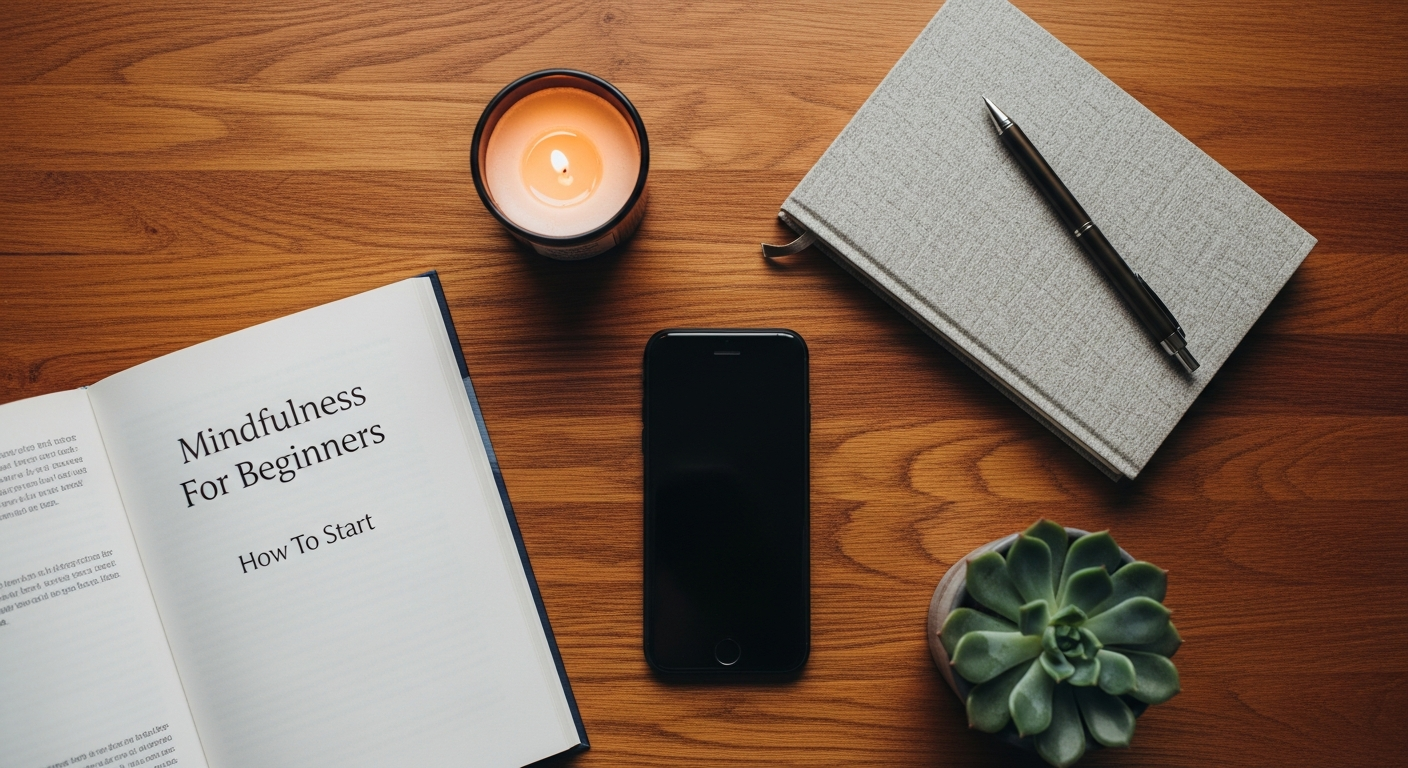
The year 2026 presents a unique landscape where technological advancement continues to accelerate at an unprecedented pace, bringing with it both incredible convenience and significant challenges to our attention spans and well-being. In this hyper-connected era, the art of being present has become a revolutionary act, and mindfulness has emerged as an indispensable tool for navigating the digital deluge. The relevance of mindfulness has never been greater, particularly for those looking for mindfulness for beginners how to start to counteract the pervasive forces of distraction.
Consider the pervasive influence of smartphones and social media. Notifications buzz constantly, demanding our attention, pulling us away from conversations, work, and even our own thoughts. This constant stream of external stimuli cultivates a state of perpetual distraction, often leading to what we at Stop Phubbing call “phubbing” – the act of snubbing someone in a social setting by looking at your phone instead of paying attention to them. This erosion of presence doesn’t just impact our personal interactions; it fragments our focus, diminishes our capacity for deep work, and contributes to increased stress and anxiety levels.
Mindfulness offers a powerful antidote to this digital overwhelm. It provides a means to intentionally disengage from the relentless pull of external demands and reconnect with our inner experience. By training our attention through mindful practices, we can develop the ability to choose where our focus lies, rather than being passively dictated by algorithms and notifications. This is not about rejecting technology, but about using it mindfully, consciously, and in a way that serves our well-being rather than detracting from it.
One of the most critical aspects of integrating mindfulness into our 2026 lives involves adopting Tips For Healthy Technology Use. This isn’t just about reducing screen time, though that can be part of it. It’s about cultivating a mindful relationship with our devices. For instance, setting specific “digital detox” periods each day or week, where phones are put away and attention is directed entirely to real-world interactions or self-care activities. It means consciously checking in with ourselves before reflexively grabbing our phones – “Am I truly needing this information, or am I just seeking a distraction?” It involves turning off non-essential notifications, creating designated “no-phone zones” in the home, particularly at mealtimes or in the bedroom, and engaging in single-tasking rather than constant context-switching between digital platforms.
Mindfulness also equips us to better manage the emotional impact of online interactions. The curated realities of social media can trigger feelings of inadequacy, envy, or anxiety. A mindful approach allows us to observe these reactions without judgment, reminding us that what we see online is often not the full picture, and that our worth is not determined by likes or followers. It empowers us to disengage from toxic online environments and prioritize our mental peace.
In 2026, where the lines between work and personal life are increasingly blurred by remote work and constant connectivity, mindfulness helps us establish healthier boundaries. It allows us to be fully present during work tasks, enhancing productivity and reducing burnout, and then transition mindfully to personal time, fully engaging with loved ones and hobbies without the lingering pull of work-related thoughts. Embracing mindfulness is not just a personal choice; it’s a societal imperative for fostering more human connection, reducing digital stress, and creating a more present and compassionate world, starting with each individual’s journey to understand mindfulness for beginners how to start.
The Absolute Beginner’s Guide: Simple Steps to Starting Your Mindfulness Journey
1. The Mindful Minute: Your Gateway Practice
You don’t need to dedicate hours to start. Begin with just one minute. Set a timer for 60 seconds. Sit comfortably, close your eyes if you wish, or simply soften your gaze. Bring your attention to your breath. Notice the sensation of air entering and leaving your body – the rise and fall of your chest or abdomen, the feeling of air at your nostrils. When your mind wanders (and it will, that’s perfectly normal), gently guide it back to your breath. This simple practice helps you anchor yourself in the present moment and builds your capacity for focus. Repeat this a few times a day, gradually increasing the duration as you feel comfortable.
2. Mindful Breathing: Your Ever-Present Anchor
The breath is perhaps the most fundamental tool in mindfulness. It’s always with us, always in the present moment. Throughout your day, take several deliberate mindful breaths. Pause for a moment, wherever you are and whatever you’re doing. Take a deep inhale through your nose, feeling your belly expand, and a slow exhale through your mouth, letting go of tension. Notice the sensations that arise with each breath. This informal practice can be done at your desk, in line at the grocery store, or while waiting for a meeting to start. It’s an instant reset button.
3. The Body Scan: Reconnecting with Your Physical Self
Our bodies hold a wealth of information, often overlooked in our busy lives. A body scan meditation involves systematically bringing attention to different parts of your body, noticing any sensations without judgment. Lie down or sit comfortably. Close your eyes. Begin by focusing on your toes, noticing any tingling, pressure, warmth, or coolness. Then move your attention to your feet, ankles, calves, and so on, slowly moving up your body to the crown of your head. Linger on areas where you notice tension, simply observing it without trying to change it. This practice helps cultivate interoception – awareness of your internal bodily states – which is crucial for emotional regulation.
4. Mindful Eating: Savoring Every Bite
Eating is a daily activity that often becomes rushed and unconscious. Use a meal or even a single piece of fruit as an opportunity for mindful eating. Before you eat, pause and observe the food: its colors, textures, and aroma. Take a small bite. Notice the sensation in your mouth, the flavor profile, how it changes as you chew. Pay attention to the act of chewing and swallowing. Notice when you feel full. This practice not only enhances your enjoyment of food but also helps you develop a healthier relationship with eating and your body’s hunger cues.
5. Mindful Walking: Every Step a Meditation
Whether you’re walking to your car, around the block, or on a nature trail, turn it into a mindful experience. Pay attention to the sensations of walking: the feeling of your feet touching the ground, the movement of your legs, the swing of your arms. Notice the sights, sounds, and smells around you. If your mind drifts, gently bring it back to the physical act of walking and your surroundings. This helps ground you and can transform a mundane commute into a refreshing break.
6. Consistency Over Intensity: Start Small, Stay Consistent
The most important advice for beginners is to prioritize consistency. Five minutes of mindfulness practice every day is far more beneficial than one hour once a month. Integrate these simple practices into your daily routine. Set reminders on your phone. Find an accountability partner. Don’t strive for perfection; simply show up for the practice. Some days will feel easier, others more challenging. Embrace it all as part of the learning process. The cumulative effect of these small, consistent efforts will gradually transform your experience of life, laying a solid foundation for your mindful journey and answering the fundamental question of mindfulness for beginners how to start with grace and ease.
Deepening Your Practice: Everyday Mindfulness for Enhanced Living
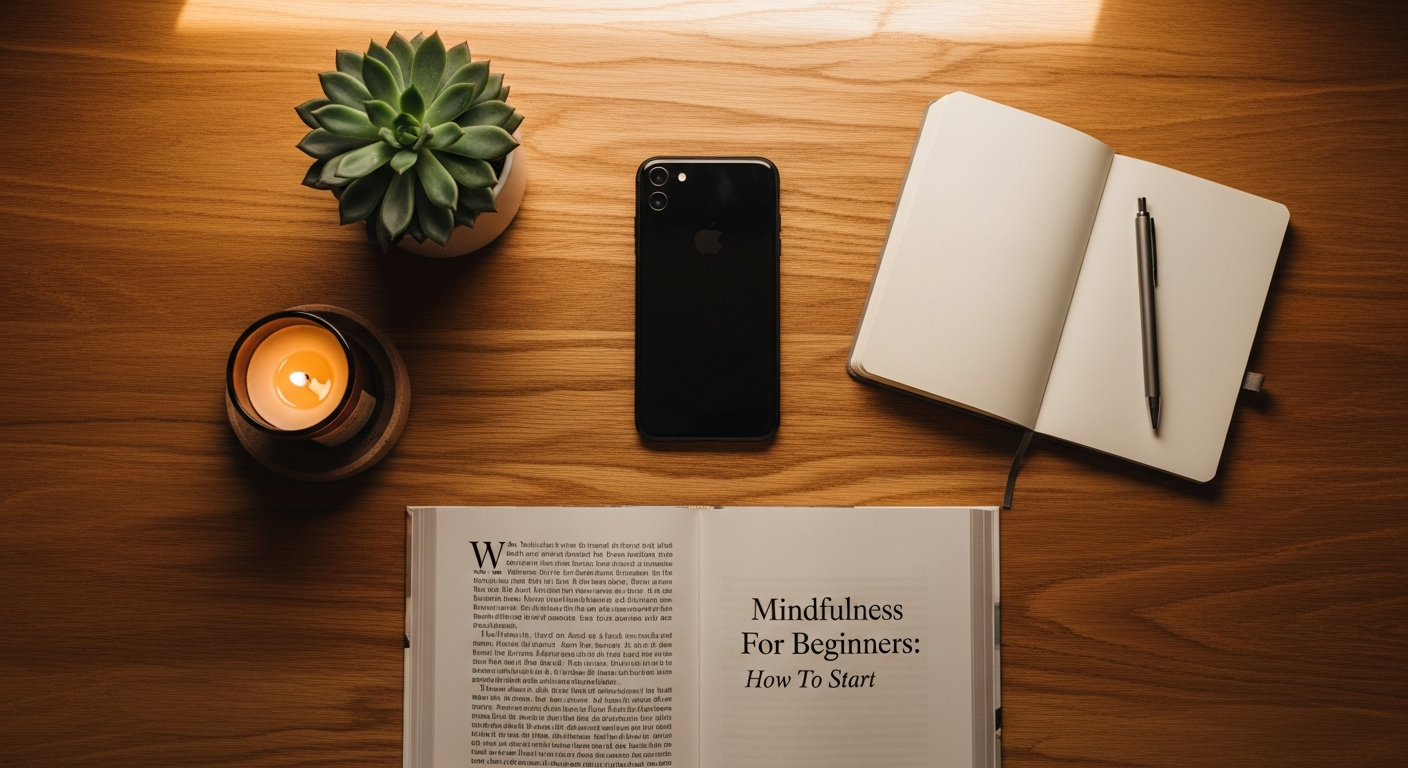
Once you’ve established a foundational understanding and experimented with basic mindfulness practices, the next step in your journey – especially for those asking mindfulness for beginners how to start truly integrating it into their lives – is to weave mindfulness into the fabric of your daily existence. This moves beyond formal meditation sessions into what is often called “informal practice,” transforming mundane activities and challenging interactions into opportunities for present moment awareness. This deepens your practice, making mindfulness not just something you do, but how you live.
Mindful Listening and Communication: Building Bridges of Connection
One of the most profound ways mindfulness can enhance your life is through improving your interactions with others. In a world riddled with digital distractions and the prevalence of phubbing, truly listening has become a rare and precious gift. Mindful listening involves giving your full, undivided attention to the person speaking. This means putting away your phone, making eye contact, and resisting the urge to formulate your response while the other person is still talking. It’s about truly hearing and understanding, not just waiting for your turn to speak.
This directly ties into How To Communicate Better Relationships. When you listen mindfully, you convey respect, empathy, and genuine interest, which are cornerstones of strong relationships. Practice noticing your internal reactions as someone speaks – any judgments, impatience, or desire to interrupt – and gently letting them go, returning your focus to the speaker. This non-judgmental awareness allows for deeper understanding and reduces misunderstandings, fostering a greater sense of connection and trust.
Mindful communication extends to how you express yourself too. Before speaking, take a moment to pause. Ask yourself: Is what I’m about to say true, kind, and necessary? How might my words impact the other person? This pause allows for a more considered and compassionate response, rather than a reactive one. It prevents you from saying things in the heat of the moment that you might later regret, thereby improving the quality and longevity of your relationships.
Mindfulness in Challenging Conversations: Navigating Difficult Terrain
Life inevitably presents us with challenging conversations, whether with family, friends, or colleagues. These can be particularly stressful, especially when they involve sensitive topics. Mindfulness provides a vital toolkit for navigating such situations with greater calm and clarity. Before entering a difficult conversation, take a few mindful breaths to center yourself. Set an intention to approach the discussion with an open mind and a compassionate heart, even if you anticipate disagreement.
During the conversation, pay close attention to your body’s sensations – a tightening in the stomach, tension in the shoulders, a racing heart. These are signals that you might be feeling defensive or overwhelmed. Acknowledge these sensations without letting them dictate your reaction. Take a brief pause, a mindful breath, before responding. This creates a small space between stimulus and reaction, allowing you to choose a more constructive response rather than falling back on old, unhelpful patterns.
This is particularly relevant to topics such as How To Talk About Money With Partner. Financial discussions can be highly charged, often triggering deep-seated anxieties or past resentments. Approaching these conversations mindfully means setting aside blame and judgment. Instead of accusing, focus on expressing your feelings and needs clearly and calmly. Listen to your partner’s perspective with genuine curiosity and empathy, even if it differs from your own. Acknowledge their feelings and validate their concerns. By bringing mindful presence to these sensitive discussions, you create an environment of mutual respect and understanding, making it possible to work collaboratively towards solutions rather than spiraling into conflict.
Mindfulness also helps you recognize when you need a break from a difficult conversation. If emotions are running too high, mindfully suggest taking a pause and revisiting the topic later, when both parties are calmer. This is a sign of emotional intelligence and self-awareness, fostered by your growing mindfulness practice.
By consciously integrating mindful listening, communication, and presence into all your daily interactions, especially the challenging ones, you move beyond merely practicing mindfulness to truly living mindfully. This deepens your connection to yourself and others, transforming the quality of your relationships and providing a powerful framework for navigating the complexities of life with grace and authenticity, reinforcing the journey of mindfulness for beginners how to start living a richer, more connected life.
Overcoming Common Hurdles and Sustaining Your Practice
Embarking on a mindfulness journey is an act of self-care and profound growth, yet it’s rarely a linear path. For beginners learning mindfulness for beginners how to start, it’s common to encounter various hurdles that can test commitment and lead to frustration. Understanding these challenges and equipping yourself with strategies to overcome them is crucial for sustaining your practice and reaping its long-term benefits. Remember, every meditator, regardless of experience, faces these moments; the difference lies in how they respond.
1. The Wandering Mind: The Universal Experience
Perhaps the most common frustration for beginners is the incessant wandering of the mind. You sit down to meditate, determined to focus on your breath, only to find your thoughts racing through your to-do list, replaying past conversations, or planning future events. This can lead to feelings of failure or inadequacy. However, the wandering mind is not a sign of failure; it is simply what minds do. The practice of mindfulness isn’t about stopping thoughts; it’s about noticing when your mind has wandered and gently, without judgment, bringing your attention back to your chosen anchor (e.g., the breath). Each time you notice and return, you are strengthening your attention muscle. Treat your wandering mind like a curious puppy – gently lead it back, rather than scolding it.
2. Frustration and Impatience: The Desire for Instant Results
In our fast-paced world, we’re accustomed to instant gratification. Mindfulness, however, is a long-term practice with subtle, cumulative effects. Beginners often get frustrated when they don’t immediately feel calmer, more focused, or “enlightened.” It’s important to let go of expectations about how you “should” feel or what your practice “should” look like. Every session is different, and some days will feel more challenging than others. Embrace the process, not just the outcome. Patience and persistence are your greatest allies. Remind yourself that you’re cultivating a skill, and like any skill, it takes time and consistent effort to develop.
3. Lack of Time: The Modern-Day Dilemma
“I don’t have time” is a common refrain. While it’s true that modern life is demanding, mindfulness doesn’t require large blocks of time, especially for beginners. As discussed, even a mindful minute or a few mindful breaths throughout the day can make a significant difference. The key is integration, not addition. Instead of trying to carve out an extra hour, look for opportunities to infuse mindfulness into activities you already do: walking, eating, waiting in line, or even brushing your teeth. Start with five minutes a day, and gradually increase as you feel ready. Consistency, even in small doses, is more impactful than sporadic long sessions.
4. Doubt and Self-Criticism: “Am I Doing This Right?”
It’s natural to question your practice, especially when you’re starting. “Am I doing this right?” “Is this even working?” These thoughts are part of the learning curve. Counter doubt with self-compassion. There’s no single “right” way to practice mindfulness; there’s only your way. Be kind to yourself. Acknowledge your efforts, even on days when your mind feels particularly wild. Remember that the intention to practice is often more important than the perceived “success” of any single session. Consider journaling about your experiences; sometimes articulating your struggles can bring clarity and reinforce your commitment.
5. External Distractions: The Noise of the World
While mindfulness helps us navigate a distracted world, external distractions can still pose a challenge, especially for beginners. The dog barking, a phone ringing (even if on silent, its mere presence can be distracting), or street noise can pull you away from your focus. Instead of fighting these distractions, try to incorporate them into your practice. Acknowledge the sound without judgment, and then gently return your attention to your breath. This teaches you to be present amidst external chaos, a crucial skill for a mindful life in 2026. Setting boundaries with technology, as discussed in Tips For Healthy Technology Use, can also significantly reduce these disruptions during dedicated practice times.
Sustaining Your Practice: Building a Mindful Routine
- Start Small and Build Gradually: Begin with 1-5 minutes daily and slowly increase as you feel comfortable.
- Be Consistent: Try to practice at the same time each day to build a habit. Morning is often ideal before the day’s demands begin.
- Find a Support System: Join a local mindfulness group, find an online community, or practice with a friend. Sharing experiences can be incredibly motivating.
- Use Guided Meditations: Apps like Calm, Headspace, or Insight Timer offer excellent guided meditations for beginners, providing structure and support.
- Educate Yourself: Read books or articles about mindfulness. Understanding the “why” can reinforce your “how.”
- Be Kind to Yourself: There will be days when you miss a session or your mind feels particularly restless. Don’t judge yourself; simply acknowledge it and recommit for the next opportunity.
- Celebrate Small Victories: Notice and appreciate moments when you successfully bring your attention back, or when you respond more mindfully than reactively.
By understanding these common hurdles and adopting strategies to overcome them, you can build a resilient and sustainable mindfulness practice. This journey of self-discovery and present-moment awareness is one of the most valuable investments you can make in your well-being, transforming your experience of life and solidifying your answer to mindfulness for beginners how to start with confidence and enduring commitment.
The Long-Term Impact: A Mindful Future by 2026 and Beyond
As we look towards 2026 and beyond, the sustained practice of mindfulness, initiated by those asking mindfulness for beginners how to start, promises to yield profound and lasting transformations, not just for individuals but for the collective consciousness. The cumulative effect of consistent, gentle awareness ripples out, touching every aspect of our lives and contributing to a more engaged, compassionate, and present world, directly combating the pervasive culture of phubbing and digital distraction.
One of the most significant long-term impacts is a dramatically enhanced ability to manage stress and anxiety. Regular mindfulness practice physically alters the brain, strengthening areas associated with attention, emotional regulation, and self-awareness, while reducing activity in the amygdala, the brain’s fear center. This doesn’t mean life’s challenges disappear, but your capacity to respond to them with calm and clarity, rather than being overwhelmed, significantly increases. By 2026, a consistent mindful practitioner will likely experience fewer extreme emotional swings, greater resilience in the face of adversity, and a deeper sense of inner peace, even amidst external chaos.
Furthermore, the long-term application of mindfulness profoundly improves relationships. As you cultivate mindful listening and communication, you naturally foster deeper connections. You become more attuned to the needs and feelings of others, less reactive to perceived slights, and more capable of expressing your own truth with kindness and clarity. This means fewer misunderstandings, more authentic interactions, and stronger bonds with family, friends, and colleagues. The deliberate choice to be present during conversations, to truly listen without distraction – a direct counter to phubbing – becomes a deeply ingrained habit, making you a more cherished and reliable presence in others’ lives.
Consider the broader societal implications of this shift. If more individuals embrace mindful communication, discussions around sensitive topics like How To Talk About Money With Partner or political differences could be approached with greater empathy and less aggression. The ability to pause, reflect, and respond thoughtfully, rather than react impulsively, can de-escalate conflicts and foster constructive dialogue. This is a vital skill for personal relationships and for building a more civil and understanding society in 2026 and beyond.
Your relationship with technology will also undergo a significant transformation. What began as an effort to apply Tips For Healthy Technology Use will evolve into an intuitive sense of mindful engagement. You will naturally disengage from compulsive scrolling, set healthier boundaries, and use technology as a tool for connection and information, rather than allowing it to be a source of distraction and disconnection. By 2026, mindful individuals will likely be leading the way in demonstrating how to harness technology’s benefits without succumbing to its pitfalls, modeling a more balanced and intentional digital lifestyle.
On a personal level, a long-term mindfulness practice cultivates a profound sense of self-awareness and self-compassion. You become more attuned to your inner landscape, understanding your triggers, patterns, and needs with greater clarity. This leads to more intentional choices aligned with your values, rather than being driven by autopilot or external pressures. You learn to treat yourself with the same kindness and understanding you would offer a dear friend, fostering a healthier inner dialogue and a stronger sense of self-worth.
The journey of mindfulness for beginners how to start is an invitation to live a life less driven by reaction and more by intention. It’s an ongoing process of awakening to the richness of each moment, even the challenging ones. By consistently showing up for your practice, you are not only transforming your own life but also contributing to a ripple effect of presence and compassion in the world. By 2026, the cumulative impact of these individual journeys will hopefully usher in a future where genuine connection, thoughtful engagement, and mindful living are not just aspirations, but everyday realities, making the world a more vibrant, authentic, and less phubbed place for all.
Frequently Asked Questions
Recommended Resources
Learn more about this topic in Anxious Attachment Style How To Heal at Heartbeat Reggae.
For more on mindfulness for beginners, see Music Therapy For Ptsd on Heartbeat Reggae.