

Understanding the Imperative for a Social Media Detox in Modern Life
The ubiquity of social media platforms has profoundly reshaped our daily lives, influencing everything from how we consume news to how we perceive ourselves and interact with others. While these platforms offer undeniable benefits in terms of instant information sharing and maintaining long-distance connections, their darker side often goes unaddressed until the cumulative effects become too significant to ignore. For many, the initial allure of connection has morphed into a source of chronic stress, comparison, and distraction, making a structured social media detox not just a trend, but a vital practice for digital wellness.
Consider the insidious ways constant digital engagement can erode our well-being. Psychologically, the endless stream of curated content can fuel feelings of inadequacy and imposter syndrome, as users are constantly exposed to idealized versions of reality. This phenomenon, often dubbed Fear Of Missing Out (FOMO), creates a persistent anxiety that something better is happening elsewhere, compelling us to check our feeds incessantly. Sleep patterns are disrupted by the blue light emitted from screens and the mental stimulation of late-night scrolling, leading to fatigue and reduced cognitive function. Productivity plummets as attention spans shrink, making deep work and focused tasks increasingly challenging. Furthermore, the very nature of online interactions, often superficial and text-based, can inadvertently diminish our capacity for nuanced, empathetic communication in real-life settings. This is where the importance of understanding How To Communicate Better Relationships truly shines, as the skills honed offline often translate poorly to the rapid-fire, low-context environment of social media.
The addictive design of these platforms, employing sophisticated algorithms and psychological triggers, is not accidental. They are engineered to maximize engagement, keeping users hooked for as long as possible. Likes, comments, and shares provide intermittent rewards that tap into our brain’s dopamine pathways, creating a cycle of seeking and validation similar to gambling. Over time, this can lead to a state of digital overload, manifesting as increased irritability, difficulty concentrating, and a pervasive sense of being “always on.”
A social media detox, therefore, is not merely about abstaining from apps; it’s about an intentional act of self-recalibration. It’s an opportunity to step back from the digital noise and regain perspective, to observe our habits without judgment, and to consciously choose how and when we engage with technology. It’s a powerful statement that our mental health, real-world connections, and personal growth take precedence over the fleeting gratification of online validation. Embracing this period of intentional disconnection allows us to reset our default mode from reactive scrolling to proactive living, paving the way for a more mindful and fulfilling existence.
Phase 1: Preparation – Laying the Groundwork for a Successful Detox

Embarking on a social media detox is more than just deleting apps; it’s a strategic endeavor that requires careful planning and conscious decision-making. The success of your detox hinges significantly on the groundwork you lay before you even log off. This preparatory phase is about setting yourself up for success, minimizing potential pitfalls, and ensuring your time offline is productive and enriching.
Define Your “Why” and Set Clear Intentions
Before you begin, take time to reflect on your motivations. What specific benefits do you hope to gain from this detox? Are you seeking improved sleep, reduced anxiety, greater focus, more time for hobbies, or deeper real-life connections? Articulating your “why” provides a powerful anchor when cravings arise. Write down your intentions in a journal. For example, “I want to detox from social media to reduce my screen time by 50%, allowing me more time to read and engage in meaningful conversations with my family.” This clarity will serve as your guiding star throughout the process.
Establish Realistic Goals and Duration
A detox doesn’t have to mean a permanent severance from social media. Start with a manageable duration that feels achievable. For some, a weekend might be a good starting point. Others might aim for a full week, or even a month. The key is to choose a period that challenges you without feeling overwhelming. Remember, this is a practice in self-compassion and sustainable change, not an endurance test. You can always extend it if you feel empowered to do so.
Communicate Your Intentions to Your Network
One of the most crucial steps, especially for those concerned about missing out or appearing unresponsive, is to inform your close friends, family, and relevant colleagues about your detox. This is an excellent opportunity to practice How To Communicate Better Relationships. Clearly explain your reasons for taking a break, the duration, and how you can be reached for genuine emergencies (e.g., text, phone call). Setting these expectations upfront prevents misunderstandings and allows your loved ones to support your journey. You might say, “I’m taking a social media break for the next week to focus on my well-being. I won’t be checking DMs, but you can reach me by phone if anything urgent comes up.”
Identify and Plan Alternative Activities
Nature abhors a vacuum, and your newly freed time needs to be filled with intentional, fulfilling activities. Brainstorm a list of hobbies, interests, or tasks you’ve been wanting to pursue but haven’t had time for. This could include reading a book, spending time in nature, exercising, learning a new skill, cooking, journaling, or engaging in face-to-face conversations. Schedule these activities into your calendar as if they were important appointments. Having a concrete plan will significantly reduce the likelihood of mindlessly gravitating back to your phone out of boredom or habit.
Tidy Up Your Digital Environment (Pre-Detox)
Before you disconnect, take a moment to declutter your digital space. Unfollow accounts that no longer inspire you, trigger negative emotions, or provide little value. Turn off non-essential notifications from all social media apps. Consider moving social media apps off your home screen, or even deleting them entirely for the duration of your detox. This physical removal acts as a powerful barrier against reflexive checking.
Address Practicalities and Potential Contingencies
Think through any practical implications of being offline. If you use social media for work, plan how you will manage your professional responsibilities without personal engagement. Ensure you have alternative methods for accessing information or contacting people if needed (e.g., phone numbers, email addresses). This foresight prevents anxiety and ensures that genuine emergencies can still be handled efficiently. For couples, this might also be a prime opportunity to discuss financial matters, a topic often overshadowed by digital noise. Planning a specific time to How To Talk About Money With Partner can be a productive use of newly found focus, ensuring both parties are on the same page without the constant distractions of notifications.
Embrace Healthy Technology Use Principles
Even before the detox fully begins, start integrating some Tips For Healthy Technology Use. This might involve setting a “digital sunset” time an hour or two before bed, using your phone’s grayscale mode to make it less appealing, or designating certain areas of your home as “phone-free zones.” These small shifts can help ease you into the detox and establish new habits that you can carry forward into 2026.
By investing time and effort in this preparatory phase, you’re not just preparing for a break; you’re actively setting the stage for a profound shift in your relationship with technology and, by extension, with yourself and the world around you.
Phase 2: The Detox – Navigating Your Time Offline with Intention
The Act of Disconnecting: Making the Break
The first step on day one is definitive: log out of all social media accounts across all devices. For a truly immersive experience, consider deleting the apps from your smartphone and tablet. This physical removal creates a significant barrier to impulsive checking and minimizes the effort required to resist temptation. If deleting isn’t feasible or desirable (e.g., for work-related apps), move them to a rarely accessed folder on your phone or off your home screen entirely. Place your phone in a drawer, out of sight and out of immediate reach, especially during times when you’re most prone to mindless scrolling, such as first thing in the morning or late at night.
Embrace the Initial Discomfort and Observe Your Habits
It’s entirely normal to experience a sense of withdrawal during the first few days. You might feel phantom vibrations, an urge to instinctively reach for your phone, or a vague feeling of unease or boredom. Acknowledge these sensations without judgment. This is your brain’s response to breaking a deeply ingrained habit. Use this time for self-observation. What triggers your desire to check social media? Is it boredom, stress, loneliness, or habit? Understanding these triggers is a crucial insight for long-term change and a key aspect of Tips For Healthy Technology Use.
Fill the Void Mindfully: Engage in Planned Alternatives
This is where your list of alternative activities comes into play. Actively engage in the hobbies and interests you identified in Phase 1. Don’t just sit and wait for inspiration; proactively pursue these activities. Read that book, go for a walk, try a new recipe, work on a creative project, or simply sit in silence and observe your surroundings. The goal is to replace a passive, reactive habit with active, intentional engagement that genuinely enriches your life. The more you immerse yourself in these alternatives, the less you’ll feel the pull of social media.
Cultivate Real-World Connections and Communication
One of the most profound benefits of a social media detox is the opportunity to deepen your real-world relationships. Use this time to schedule face-to-face meetups, make phone calls, or engage in meaningful conversations with those in your immediate vicinity. Practice active listening, make eye contact, and be fully present in these interactions. This is a direct application of How To Communicate Better Relationships, moving beyond superficial likes and comments to genuine human connection. You might find that without the constant distraction of your phone, you are more attuned to the nuances of conversation and the emotions of others.
Mindful Consumption of Other Media
A social media detox is not an invitation for an all-out binge on other forms of digital entertainment. Be mindful of how you consume television, streaming services, or online news. The aim is to reduce passive consumption and increase active engagement. Choose shows or movies intentionally, rather than just letting them autoplay. Limit your news consumption to specific times of the day to avoid overwhelm. The core principle is intentionality: are you choosing this media, or is it choosing you?
Journaling and Self-Reflection
Maintain a journal throughout your detox. Document your feelings, challenges, and discoveries. What changes do you notice in your mood, sleep, or focus? What new insights do you gain about yourself or your relationship with technology? This reflective practice deepens your understanding of the detox’s impact and helps solidify the lessons learned, making the experience more transformative and less of a temporary break.
Dealing with Cravings and Triggers
When the urge to check social media becomes strong, pause and acknowledge it. Instead of immediately giving in, try a coping mechanism: take a few deep breaths, go for a short walk, drink a glass of water, or call a friend. Remind yourself of your “why.” The cravings will lessen over time as your brain adjusts to the absence of constant digital stimulation. This self-awareness is key to cultivating robust Tips For Healthy Technology Use in the long run.
Establish an Emergency Protocol (If Necessary)
While the goal is complete disconnection, it’s wise to have a plan for genuine emergencies that might require online access (e.g., checking flight delays if traveling, a specific work-related crisis). Define what constitutes an “emergency” strictly. When such a situation arises, access only the necessary information, resolve the issue, and then immediately log back out. Avoid the temptation to “just quickly check” your feed while you’re there.
By navigating Phase 2 with intention and self-awareness, you’re not just enduring a period of abstinence; you’re actively rewiring your brain, rediscovering your inner resources, and building a stronger foundation for a more mindful existence as we approach 2026.
Phase 3: Reintegration – Building Sustainable Habits for the Long Term
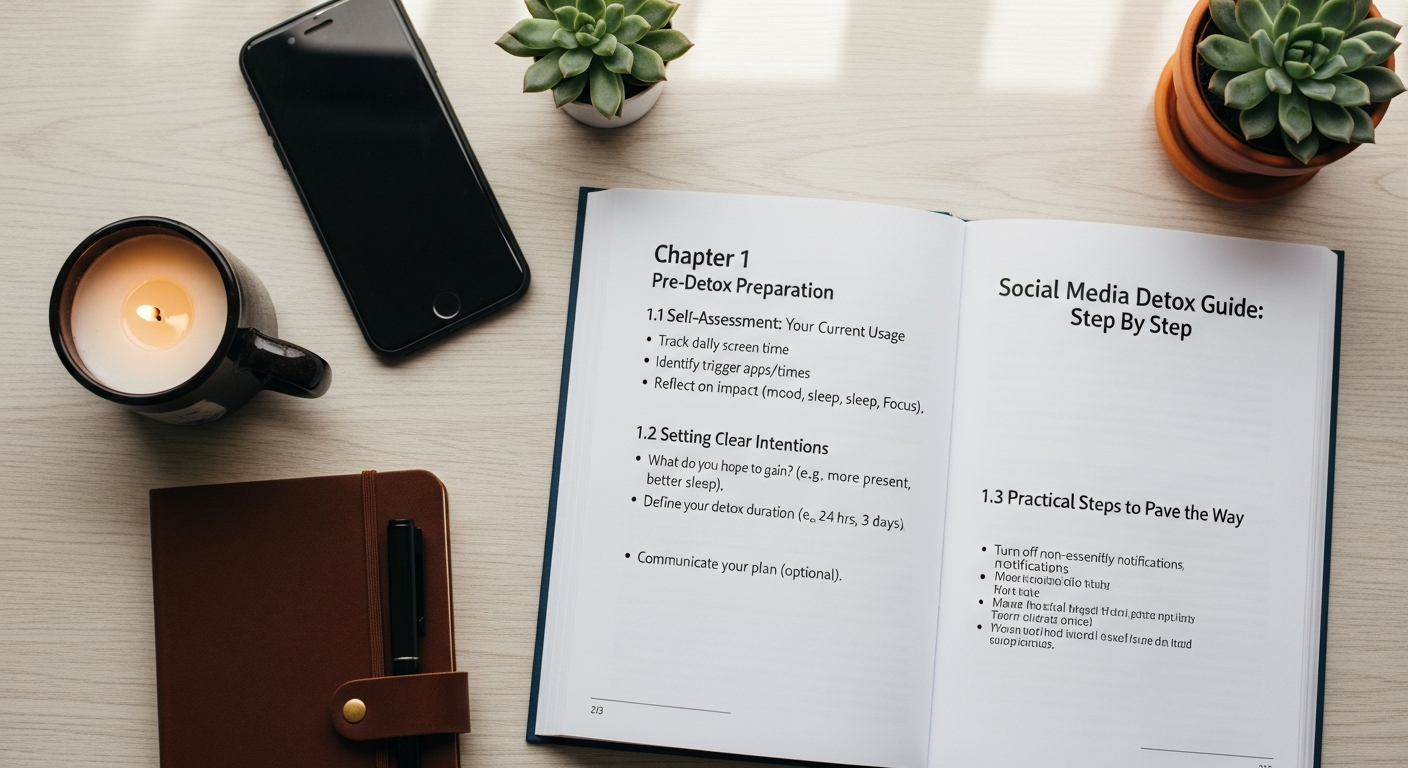
The detox period itself is just one part of the journey. The true test and lasting benefit come from how you reintegrate social media into your life. This phase is about translating the insights gained during your time offline into sustainable, healthy technology habits that will serve you well into 2026 and beyond. Without mindful reintegration, it’s all too easy to slide back into old patterns.
Reflect on Your Experience and Consolidate Learnings
Before you even consider logging back on, take significant time to reflect on your detox. What did you learn about yourself? What did you gain (e.g., more time, better sleep, reduced anxiety)? What did you miss (e.g., specific friends, important updates)? Crucially, what did you not miss? Journal about these reflections. This conscious review helps solidify the positive changes and provides a clear blueprint for how you want your future relationship with social media to look.
Set New, Deliberate Boundaries for Re-engagement
Based on your reflections, establish clear, actionable rules for your social media use. These boundaries are the cornerstone of Tips For Healthy Technology Use and are vital for preventing a return to unhealthy patterns. Consider implementing some of the following:
- Designated “Social Media Free” Zones: Decide that certain areas of your home (e.g., bedroom, dining table) or certain activities (e.g., mealtimes, family gatherings) will always be social media-free. This creates sacred spaces for real-life connection.
- Time Limits: Use your phone’s built-in screen time features or third-party apps to set daily limits for social media platforms. Start with a conservative amount (e.g., 30-60 minutes total per day) and adjust as needed.
- Curated Feeds: Re-follow accounts very selectively. Only engage with pages and people that genuinely add value, inspire you, or provide useful information. Unfollow or mute anything that triggers negative emotions, comparison, or simply clutters your mental space.
- Notification Management: Turn off almost all social media notifications. This is a game-changer for reclaiming your attention. Only allow notifications for critical work-related messages if absolutely necessary, but ideally, none.
- Scheduled Checks: Instead of mindlessly checking throughout the day, designate specific times to log on (e.g., 15 minutes in the morning, 15 minutes in the evening). Treat these like appointments.
- “One-In, One-Out” Rule: For every new account you follow, consider unfollowing another. This helps maintain a lean, intentional feed.
Practice Mindful Re-engagement
When you do log back on, do so with a purpose. Avoid aimless scrolling. Ask yourself: “Why am I opening this app right now?” Is it to check a specific message, share an update, or connect with a particular person? Engage with that purpose, and then log off. Resist the urge to dive into the endless scroll. This intentionality transforms social media from a time sink into a useful tool.
Prioritize Real-Life Interactions and Deeper Connections
Continue to invest heavily in face-to-face conversations, phone calls, and activities with loved ones. Remember the enhanced presence and deeper satisfaction you experienced during the detox. Make these real-world connections a non-negotiable part of your routine. This consistent practice of How To Communicate Better Relationships will reinforce the positive changes initiated by your detox.
Involve Your Partner and Family in Your Digital Habits
Digital wellness is often a shared journey, especially within a household. Discuss your new boundaries and habits with your partner and family members. Encourage them to adopt similar practices, or at least respect yours. This creates a supportive environment for maintaining healthy habits. For instance, if you found more time for important discussions during your detox, suggest continuing dedicated, screen-free times to How To Talk About Money With Partner or discuss family plans. This shared commitment to mindful living strengthens both individual well-being and collective harmony.
Regular Digital Decluttering
Treat your social media presence like your physical living space: it needs regular decluttering. Periodically review the accounts you follow, the groups you’re in, and the apps you use. Ask yourself if they still serve your well-being and goals. Don’t be afraid to unfollow or mute if something no longer aligns with your intentional digital life.
Reintegration is not a destination but an ongoing process. By establishing these clear boundaries and practicing mindful engagement, you can transform your relationship with social media from one of passive consumption to active control, ensuring technology serves you, rather than the other way around, well into 2026.
The Profound Benefits of Disconnecting: A Reclaimed Life
Stepping away from the constant hum of social media offers a cascade of profound benefits that extend far beyond simply reducing screen time. It’s an investment in your mental, emotional, and physical well-being, leading to a richer, more present, and ultimately more fulfilling life. The insights gained and habits formed during a social media detox can fundamentally reshape your daily experience.
Improved Mental Health and Reduced Anxiety
One of the most immediate and noticeable benefits is a significant reduction in anxiety and stress. The pressure to present a perfect online persona, the constant comparison with others’ highlight reels, and the fear of missing out (FOMO) all contribute to a heightened state of mental unrest. Disconnecting removes these stressors, allowing your mind to quiet down. You’ll likely experience fewer feelings of inadequacy, a greater sense of contentment with your own life, and a general decrease in background mental chatter. This newfound peace contributes to a stronger sense of self-worth and resilience.
Enhanced Sleep Quality
The detrimental effects of screen time before bed are well-documented. The blue light emitted from devices suppresses melatonin production, interfering with your natural sleep cycle. Furthermore, the stimulating content of social media keeps your mind active and alert, making it harder to unwind and fall asleep. A detox naturally breaks this cycle, encouraging earlier disengagement from screens. The result is often deeper, more restorative sleep, leading to increased energy, better mood regulation, and improved cognitive function throughout the day.
Increased Productivity and Focus
Social media is a notorious productivity killer. Constant notifications, the urge to check feeds, and the fragmented attention it demands make deep, focused work incredibly challenging. By removing this omnipresent distraction, you reclaim vast amounts of time and mental energy. You’ll find it easier to concentrate on tasks, complete projects more efficiently, and engage in activities that require sustained attention. This surge in productivity can translate into greater professional success, personal accomplishments, and more time for truly meaningful pursuits.
Stronger Real-World Relationships
While social media promises connection, it often fosters superficiality. A detox redirects your energy towards authentic, face-to-face interactions. Without the constant urge to document or share online, you become more present with the people you’re with. You listen more attentively, engage in deeper conversations, and build stronger emotional bonds. This is the essence of How To Communicate Better Relationships—practicing empathy, active listening, and genuine presence. Friends and family will likely appreciate your undivided attention, leading to more profound and satisfying connections.
Enhanced Creativity and Self-Discovery
When your mind isn’t constantly processing external information, it creates space for internal thought, introspection, and creativity. Boredom, often a catalyst for innovation, is a rare commodity in the age of infinite scroll. A detox allows for unstructured time, encouraging you to explore new hobbies, revisit old passions, or simply daydream. This renewed mental space can spark new ideas, foster personal growth, and lead to a deeper understanding of your own desires and aspirations, independent of external validation.
Greater Presence and Mindfulness
Perhaps the most transformative benefit is the ability to live more fully in the present moment. Without the urge to capture every experience for an online audience, or to constantly check what others are doing, you become more aware of your immediate surroundings. The taste of your food, the sound of birdsong, the warmth of the sun—these everyday sensory experiences become richer and more vivid. This increased mindfulness reduces hurriedness and allows you to savor life as it unfolds, fostering a profound sense of gratitude and appreciation.
Improved Financial Awareness
Social media platforms are saturated with targeted advertising and influencers promoting consumerism. This constant exposure can subtly influence spending habits, leading to impulse purchases or a desire for possessions that align with idealized online lifestyles. During a detox, this external pressure diminishes. With more time for reflection and fewer commercial distractions, you might find yourself naturally re-evaluating your financial priorities and spending habits. This can open up more opportunities for practical discussions, such as How To Talk About Money With Partner, without the noise of consumerist messages, leading to more mindful budgeting and saving.
Ultimately, a social media detox is not about deprivation; it’s about liberation. It’s about reclaiming your attention, your time, and your mental peace, and redirecting them towards what truly matters in your life. The benefits are cumulative and empowering, setting the stage for a more intentional and fulfilling existence in 2026 and beyond.
Sustaining Your Digital Wellness Journey Beyond 2026
Completing a social media detox is a significant achievement, but it’s just the beginning of a lifelong journey toward digital wellness. The goal isn’t necessarily to abandon social media forever, but to cultivate a balanced, intentional relationship with technology that supports your overall well-being. As we move into 2026, the digital landscape will continue to evolve, making it even more crucial to have strategies for sustaining your newfound habits and maintaining control over your digital life.
Regular Digital Check-ins and Self-Assessment
Just as you schedule physical health check-ups, make it a habit to regularly assess your relationship with technology. Periodically ask yourself: How do I feel after using social media? Am I using it mindfully, or am I defaulting to endless scrolling? Are my current boundaries still serving me? This ongoing self-awareness is a cornerstone of Tips For Healthy Technology Use, allowing you to adapt your habits as your life circumstances or digital environment changes.
Embrace Mini-Detoxes as a Routine Practice
You don’t need to wait for another crisis to take a break. Integrate shorter, more frequent mini-detoxes into your routine. This could be a “digital Sabbath” every weekend, an annual week-long break, or even just a few hours of complete disconnection each day. These regular breaks act as reset buttons, preventing digital fatigue from building up and reinforcing your commitment to intentional tech use.
Advocate for Mindful Technology Use
Share your experiences and insights with others. By openly discussing the benefits of your detox and your strategies for healthy tech use, you can inspire friends, family, and colleagues to re-evaluate their own digital habits. Becoming an advocate for mindful living helps reinforce your own practices and contributes to a broader culture of digital wellness. This might even open doors for deeper conversations about How To Communicate Better Relationships in a world increasingly reliant on digital exchanges.
Stay Informed, Not Overwhelmed
While it’s important to set boundaries, it’s also wise to stay generally informed about new technologies and their potential impacts on well-being. Understand how algorithms work, the privacy implications of new platforms, and the latest research on screen time. This knowledge empowers you to make informed decisions about your digital engagement, rather than passively accepting whatever new trends emerge in 2026.
Personalize Your Approach
Remember that digital wellness is highly personal. What works for one person might not work for another. Be flexible and willing to adjust your boundaries and practices as needed. Your goal is to find a balance that feels right for you, supporting your unique needs and lifestyle. Avoid rigid dogmatism and focus on what truly enhances your well-being.
Continuously Apply Principles of Healthy Technology Use
The Tips For Healthy Technology Use
Recommended Resources
You might also enjoy Yoga For Mental Health Beginners from Heartbeat Reggae.
Check out How To Stop People Pleasing on Heartbeat Reggae for a deeper dive.