

Embracing the Healing Journey Before Diving In
One of the most crucial pieces of advice for adults dating after divorce is to truly understand and embrace the healing journey that precedes it. Divorce, regardless of who initiated it or the circumstances, is a significant loss, often accompanied by grief, anger, sadness, and a profound shift in identity. Rushing into new relationships without addressing these underlying emotions can lead to repeating past patterns or, worse, using a new partner as a temporary bandage for deeper wounds. It’s not just about being “over” your ex; it’s about being “into” yourself again.
Take adequate time for self-reflection. What lessons did your previous marriage teach you about yourself, your needs, and your boundaries? What kind of partner do you genuinely seek now, armed with the wisdom of experience? Many individuals find immense benefit in therapy or counseling during this period. A skilled professional can help you process grief, rebuild self-esteem, and identify any unhealthy relationship patterns you might unknowingly carry forward. This is not a sign of weakness, but an act of profound self-care and a commitment to future healthy relationships.
Reconnecting with hobbies, friends, and personal passions that may have taken a backseat during your marriage can be incredibly empowering. This period of rediscovery builds a stronger sense of self, making you a more confident and attractive partner when you do decide to date. Understand that healing isn’t a linear process; there will be good days and challenging days. The goal isn’t to be “perfectly healed” but to be self-aware and emotionally resilient enough to engage with others from a place of wholeness, rather than neediness. When you eventually begin dating, you’ll be able to differentiate between a desire for genuine connection and a subconscious longing to fill a void. This readiness is paramount for fostering truly meaningful relationships in 2026 and beyond.
Navigating the Modern Dating Landscape with Digital Wellness

For many adults returning to dating after a long hiatus, the modern landscape can seem bewildering. The proliferation of online dating apps and social media platforms has transformed how people meet and interact, presenting both unprecedented opportunities and unique challenges. As a blog dedicated to digital wellness and mindful living, Stop Phubbing emphasizes the importance of approaching this digital frontier with intentionality and balance. This is where mastering Tips For Healthy Technology Use becomes paramount.
Online dating platforms like Hinge, Bumble, and Match have become standard avenues for meeting new people. They offer convenience and a vast pool of potential partners, allowing you to filter for specific interests or values. However, they also come with pitfalls. The “swipe culture” can sometimes lead to superficial judgments, and the sheer volume of choices can be overwhelming, leading to comparison fatigue. It’s crucial to cultivate a mindful approach. Set specific times for checking apps, rather than letting them consume your day. Engage with profiles genuinely, looking beyond the surface-level photos to read bios and assess compatibility. Remember, a curated online profile is just an introduction; true connection blossoms in real-world interaction.
Moreover, the constant connectivity of smartphones can inadvertently lead to habits like phubbing – snubbing someone in favor of your phone. This behavior, whether conscious or not, sends a message of disrespect and disinterest, severely hindering the development of genuine connection. As you start dating, make a conscious effort to practice digital presenteeism. When you’re on a date, put your phone away and give your full attention to the person across from you. This simple act of mindful engagement can set you apart and demonstrate your commitment to a meaningful interaction. Avoid the temptation to constantly check notifications or scroll through social media during conversations, as this undermines trust and intimacy.
Beyond dating apps, social media plays a role too. It’s tempting to “stalk” potential dates online, but this can create preconceived notions that hinder authentic discovery. Use social media judiciously for vetting, not for forming entire opinions. Balance your online efforts with offline opportunities. Join clubs, take classes, volunteer, or engage in social activities that align with your interests. These organic environments can foster more natural connections, free from the initial pressures of online profiles. By adopting a balanced and mindful approach to technology, you can leverage its benefits while safeguarding your emotional well-being and ensuring your interactions are truly present and authentic, paving the way for better relationships in 2026.
Setting Clear Boundaries and Realistic Expectations
First, define your personal boundaries. What are you comfortable with in terms of emotional intimacy, physical affection, and time commitment? After a divorce, many adults find their personal space and energy are precious commodities. Don’t feel pressured to move faster than you’re comfortable. Communicate these boundaries clearly and respectfully to potential partners. For instance, if you have children, your availability for spontaneous dates might be limited, and that’s okay. A respectful partner will understand and appreciate your commitment to your family and your self-care.
If you have children, the conversation around introducing a new partner needs careful consideration. This is a boundary that primarily protects your children’s emotional well-being. Experts generally advise waiting until a relationship is stable and serious before introducing a new person to your children. Rushing this can create confusion, attachment issues, or resentment for your children, who may still be processing the divorce. Your children are not a testing ground for your new relationships. Discuss this sensitive topic with your co-parent if possible, ensuring a united front that prioritizes the children’s best interests. Be prepared to explain your approach to potential partners, emphasizing that while they are important, your children’s stability comes first.
Beyond personal and family boundaries, set realistic expectations for the dating process itself. It’s unlikely you’ll find “the one” on your first few dates. Dating is a process of discovery – of yourself, of others, and of what truly makes you happy in a partnership. Not every date will be a match, and rejection is a part of the journey. View each encounter as an opportunity to learn and refine what you’re looking for, rather than a failure if it doesn’t lead to a long-term relationship. Avoid comparing new experiences to your past marriage, either idealizing or demonizing it. Each relationship is unique. Be open to different types of people and experiences, but also firm in what you know you need and deserve. In 2026, the dating pool is diverse; patience and clarity will be your greatest allies.
Communication: The Cornerstone of Better Relationships
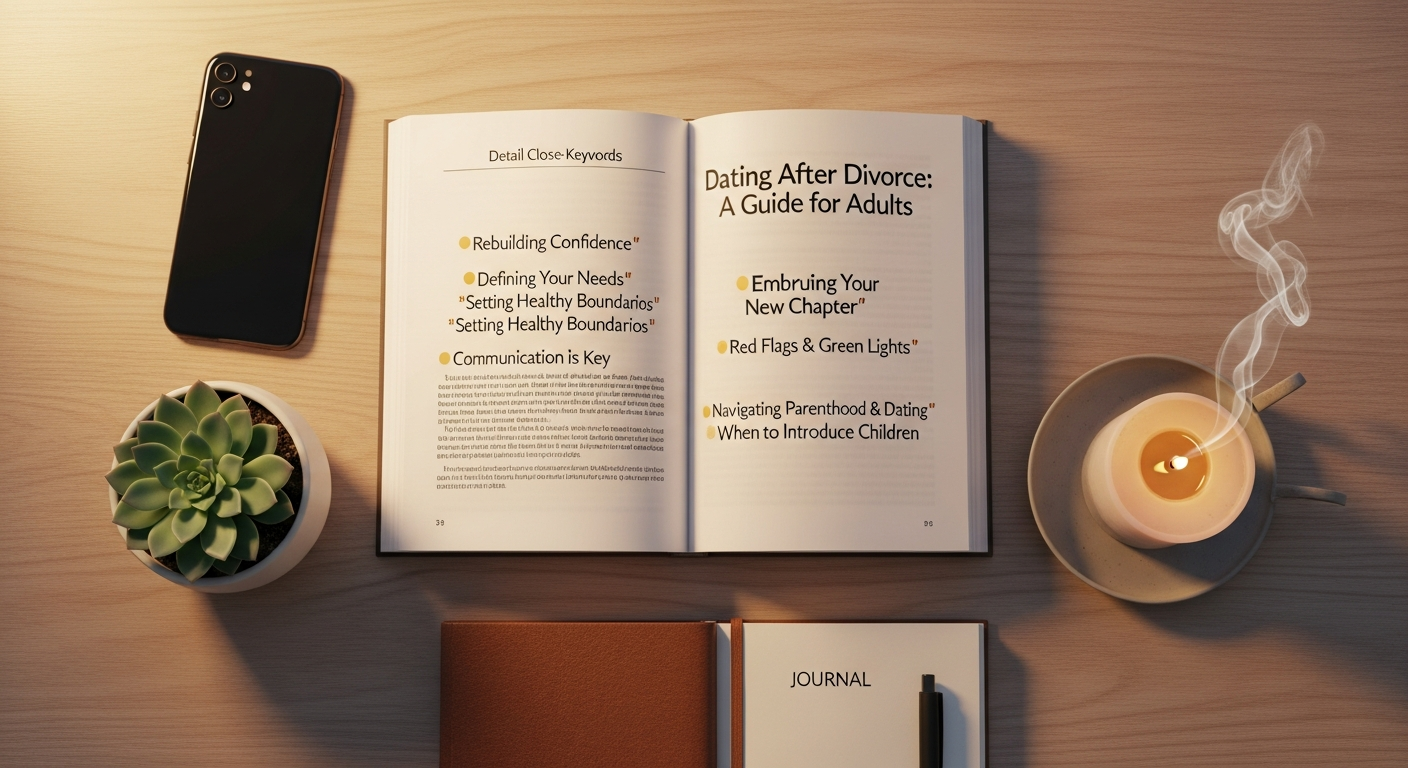
Effective communication is universally recognized as the bedrock of any successful relationship, and it becomes even more critical when dating after divorce. Adults bringing a wealth of life experience, including past hurts and learned patterns, must consciously prioritize and hone their communication skills to forge healthier, more resilient connections. This section will delve into How To Communicate Better Relationships, addressing key areas from expressing needs to navigating sensitive topics like finances.
One of the most valuable lessons from a previous marriage is often the realization of communication breakdowns. In new relationships, practice active listening – truly hearing and understanding your partner’s perspective without immediately formulating your rebuttal. Ask clarifying questions and reflect back what you hear to ensure mutual understanding. Equally important is expressing your own needs, feelings, and boundaries clearly and assertively, using “I” statements rather than accusatory “you” statements. For example, instead of saying, “You always ignore me when you’re on your phone,” try, “I feel disconnected when we’re together and your attention is on your device.” This directly relates to the ethos of Stop Phubbing, encouraging presence and respect in digital interactions.
Talking about past relationships, particularly your divorce, is an inevitable part of dating post-marriage. The key is timing, tone, and focus. Early on, a brief, honest summary is sufficient. As the relationship deepens, you can share more details, but always from a place of personal growth and learning, not bitterness or blame. Focus on what you learned about yourself and what you now seek in a partner, rather than dwelling on your ex’s faults. A partner who listens empathetically and doesn’t judge your past is a strong indicator of their capacity for mature connection.
Another crucial, often-avoided topic is money. Learning How To Talk About Money With Partner is vital for long-term compatibility. While you don’t need to share your entire financial portfolio on the first date, as a relationship progresses, discussions about financial values, spending habits, and future goals become necessary. Start by understanding each other’s general approach to money – are you a saver or a spender? What are your financial aspirations? As commitment grows, transparency regarding debts, assets, and financial responsibilities becomes essential. Openly discussing these matters early can prevent significant conflicts down the line and build a foundation of trust. Remember, financial compatibility isn’t about having the same income, but about shared values and a willingness to communicate and plan together.
Finally, remember that communication isn’t just verbal. Pay attention to non-verbal cues – body language, eye contact, and even the nuances of digital communication (e.g., timely responses, tone in texts). In 2026, with so much interaction happening digitally, be mindful of how your messages are perceived. Avoid miscommunications by clarifying when necessary and by always prioritizing face-to-face or voice conversations for important discussions. By mastering these communication skills, you build a robust framework for genuinely healthy and fulfilling relationships.
Practical Considerations and Protecting Your Well-being
Dating after divorce isn’t just an emotional journey; it also involves a host of practical considerations that are crucial for safeguarding your physical, emotional, and financial well-being. Having been out of the dating scene for a while, it’s wise to re-familiarize yourself with contemporary safety practices and to proactively protect your interests as you open yourself up to new connections in 2026.
Online and In-Person Safety: While online dating offers convenience, it also carries risks. Always prioritize your safety.
- Vet thoroughly: Before meeting, ensure your potential date has a complete profile with multiple photos and detailed information. A quick search on social media (without obsessive stalking) can provide additional context.
- Initial meetings in public: Always meet in a public place for your first few dates. Inform a trusted friend or family member about your plans, including where you’re going and who you’re meeting.
- Transportation: Arrange your own transportation to and from the date. Don’t let a new date pick you up from home or drop you off until you feel completely comfortable.
- Trust your gut: If something feels off, it probably is. Don’t hesitate to end a date early or block someone online if they make you feel uncomfortable or unsafe.
- Limit personal information: Be cautious about sharing too much personal information (address, workplace, financial details) too early in the relationship.
Recognizing Red Flags: Be attuned to warning signs that might indicate an unhealthy dynamic or a problematic individual. These could include:
- Excessive flattery or moving too fast: Love bombing can be a tactic to manipulate.
- Controlling behavior: Attempts to isolate you from friends/family, constant checking in, or dictating your choices.
- Disrespect for boundaries: Repeatedly ignoring your stated limits or making you feel guilty for having them.
- Inconsistent stories or evasiveness: A lack of transparency can be a major red flag.
- Negative talk about all exes: While past relationships are complex, a pattern of blaming everyone else can indicate an inability to take personal responsibility.
- Substance abuse issues: Pay attention to how a potential partner handles alcohol or other substances.
Financial Prudence: Divorce often brings financial restructuring. As you date, be mindful of your financial vulnerability.
- Avoid scams: Be extremely wary of anyone who asks for money, gifts, or financial assistance early in a relationship, especially if you haven’t met in person. Romance scams are prevalent.
- Protect assets: If a relationship becomes serious, consider legal advice regarding protecting your assets, especially if you have children or significant wealth. A prenuptial or postnuptial agreement might be a wise consideration for adults re-marrying.
- Maintain financial independence: Continue to manage your own finances and maintain separate accounts, even as a relationship progresses. This fosters autonomy and security.
Legal and Family Considerations: If you have children, remember that your dating choices can impact them. Beyond the initial introduction, consider how a new partner integrates into your family life. Discuss expectations with your co-parent regarding how new partners will interact with your children and how holidays or family events might be managed. If you decide to remarry, legal advice concerning blended families, wills, and guardianship is essential to ensure everyone’s future is secure. Approaching dating with a clear head, practical precautions, and a strong sense of self-preservation will allow you to explore new connections safely and confidently, making your dating journey in 2026 a positive and empowering experience.
Embracing the Journey and Future-Proofing Your Love Life
Dating after divorce is rarely a straightforward path; it’s a dynamic, often circuitous journey of self-discovery, growth, and connection. Embracing this journey with an open heart and a resilient spirit is key to finding lasting happiness. Furthermore, future-proofing your love life means cultivating habits and mindsets that foster long-term relationship health, moving beyond the immediate pursuit of a partner to building a sustainable foundation for love in 2026 and beyond.
First and foremost, understand that this process is deeply personal and unique to you. There’s no fixed timeline for finding love again, nor a perfect blueprint for how it should unfold. Some adults meet someone quickly, while others take years. Both paths are valid. Resist the urge to compare your journey to others, and celebrate every small victory – a good first date, a moment of genuine connection, or simply the courage to put yourself out there again. Patience with yourself and with the dating process is a virtue. Not every connection will lead to a grand romance, and that’s okay. Each experience offers valuable insights into what you truly desire and deserve.
Continue to prioritize your own growth and well-being, irrespective of your relationship status. A strong sense of self and an independent life are incredibly attractive qualities and form the bedrock of a healthy partnership. Maintain your friendships, hobbies, and personal goals. A partner should complement your life, not become its sole focus. This prevents codependency and ensures that your happiness isn’t entirely reliant on another person. Remember, the goal isn’t just to find someone, but to find someone with whom you can build a mutually fulfilling and respectful relationship.
For future-proofing your love life, consider integrating the principles of digital wellness and mindful living into all your relationships. This means continuing to practice Healthy Technology Use, being present with your partner, and avoiding the pitfalls of digital distractions like phubbing. Regularly check in with each other about how technology is impacting your connection. Establish shared agreements about screen time during meals, bedtime, or quality time together. These intentional practices strengthen intimacy and ensure that your relationship remains anchored in genuine human connection rather than digital noise.
Furthermore, commit to ongoing communication and conflict resolution. Relationships, even the healthiest ones, will encounter challenges. The ability to openly discuss issues, listen empathetically, and find constructive solutions is paramount. Continue to practice How To Communicate Better Relationships, and don’t shy away from discussing sensitive topics like finances (How To Talk About Money With Partner) as your relationship deepens. Regular check-ins, both lighthearted and serious, ensure that both partners feel heard, valued, and understood.
Ultimately, dating after divorce is an opportunity for profound personal evolution. It’s a chance to rewrite your love story, armed with wisdom, resilience, and a clearer vision of what truly matters. Embrace the vulnerability, the excitement, and the lessons learned. By doing so, you not only increase your chances of finding a compatible partner but also cultivate a love life that is mindful, meaningful, and built to thrive for years to come.
Frequently Asked Questions
Recommended Resources
Explore Music Therapy For Ptsd for additional insights.
You might also enjoy Intermittent Fasting Mental Clarity from Heartbeat Reggae.