

Understanding the Unique Landscape of Adult Friendships
The journey of maintaining adult friendships is inherently different from the friendships of our youth. Gone are the days of endless free time, shared school hallways, and proximity as the primary driver of connection. As adults, we face a myriad of challenges that can strain even the strongest bonds. Recognizing these common hurdles is the first crucial step in understanding how to maintain adult friendships effectively.
One of the most significant factors is the relentless march of time and competing priorities. Careers demand long hours, often involving travel or late nights. Family responsibilities, whether raising children, caring for elderly parents, or managing household duties, consume vast amounts of energy. These commitments naturally reduce the spontaneous availability that once characterized friendships, making intentional scheduling a necessity rather than an option.
Furthermore, geographic mobility plays a substantial role. People move for jobs, partners, or new life opportunities, scattering friendship groups across cities, states, or even continents. Long-distance friendships require a different approach to connection, relying heavily on digital tools and planned visits, which can be logistically challenging.
Life stage differences also create new dynamics. Some friends might be single and career-focused, while others are navigating parenthood or marriage. These diverging paths can lead to different priorities, interests, and availability, sometimes creating a sense of distance or misunderstanding. It’s important to acknowledge that while shared experiences may change, the underlying affection and history can still form a powerful foundation for connection.
Finally, the misconception that adult friendships should be effortless can be detrimental. Unlike the often organic connections formed in school or college, adult friendships require conscious effort, proactive communication, and a willingness to adapt. Without this understanding, friends might drift apart simply because neither party is making the sustained effort required. Embracing intentionality is perhaps the most fundamental of all friendship tips how to maintain adult friendships.
By accepting these realities, we can shift our perspective from frustration to empowerment. Instead of lamenting what’s lost, we can focus on building new strategies and cultivating habits that fortify our friendships against the currents of modern life. This foundation of understanding sets the stage for implementing practical friendship tips how to maintain adult friendships, ensuring our connections remain vibrant and supportive.
Mastering the Art of Proactive Communication for Stronger Bonds
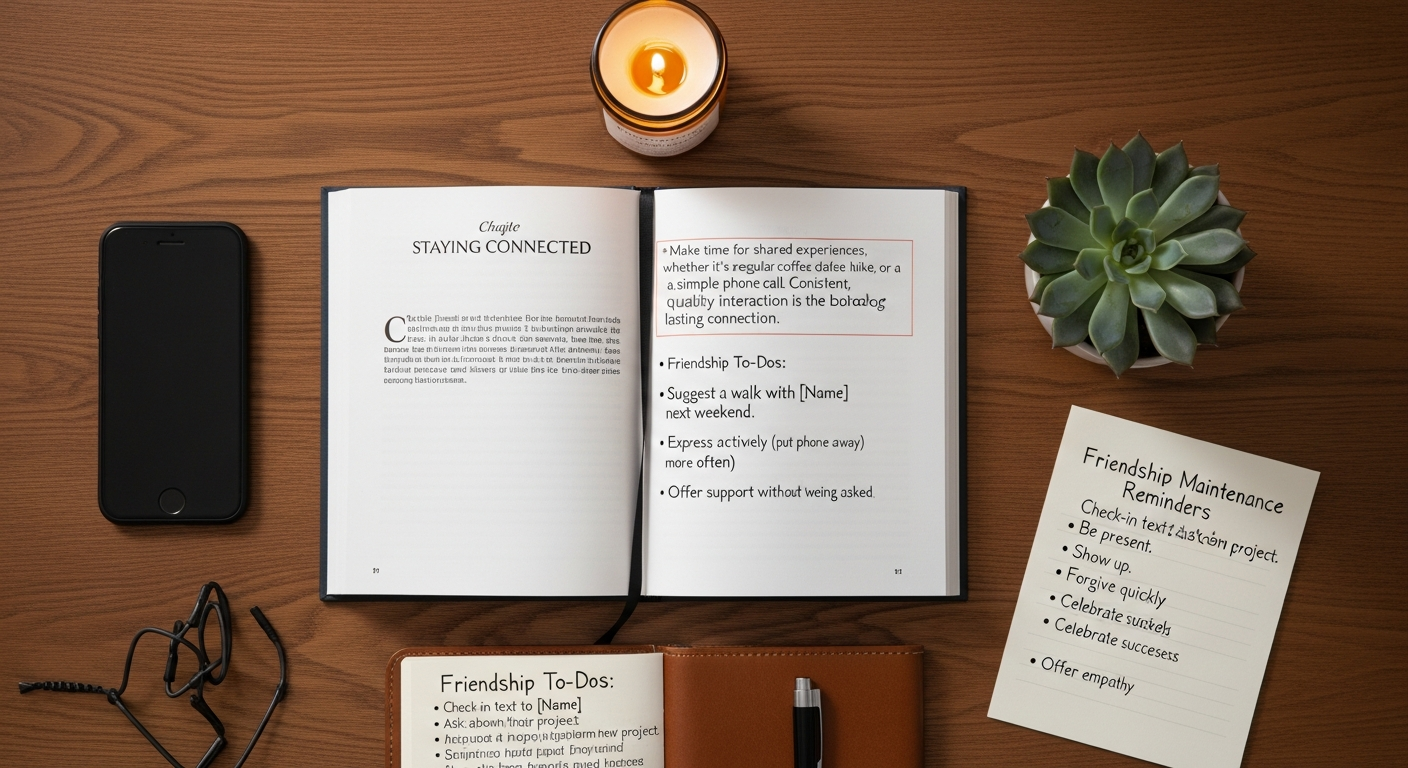
Effective communication isn’t just a cornerstone of romantic relationships; it is absolutely vital for developing and maintaining robust adult friendships. In fact, many principles for “How To Communicate Better Relationships” seamlessly apply to your platonic connections. In a world brimming with distractions, truly connecting through words and actions requires intentionality and skill. These friendship tips how to maintain adult friendships hinge significantly on mastering proactive and empathetic communication.
The Power of Active Listening
One of the most undervalued communication skills is active listening. This means more than just waiting for your turn to speak; it involves truly hearing, understanding, and validating your friend’s perspective. When a friend shares a joy or a struggle, put away distractions (especially your phone – a core principle of Stop Phubbing!), make eye contact, and engage with genuine curiosity. Ask clarifying questions, reflect their feelings (“It sounds like you’re feeling really overwhelmed by that”), and avoid immediately jumping to solutions or comparing their experience to your own. Active listening makes your friends feel seen, heard, and valued, strengthening the emotional intimacy of your bond.
Regular, Meaningful Check-ins
In busy adult lives, waiting for a crisis or a major life event to connect is a recipe for distant friendships. Proactive communication involves regular, even small, check-ins. This could be a quick text asking how their day is going, sharing an article you think they’d enjoy, or a brief phone call just to say hello. These aren’t just polite gestures; they are consistent affirmations of your care and presence. They demonstrate that your friend is on your mind, even when you can’t be physically together. These small acts are crucial friendship tips how to maintain adult friendships, ensuring a continuous thread of connection.
Practicing Vulnerability and Authenticity
Genuine friendships thrive on authenticity. While it’s important to respect boundaries, allowing yourself to be vulnerable with your friends creates deeper connections. Share your struggles, your fears, and your triumphs. When you open up, you invite your friends to do the same, fostering a space of mutual trust and understanding. Conversely, be a safe space for your friends to be vulnerable. This reciprocity in sharing the authentic self is a powerful aspect of “How To Communicate Better Relationships” in any context.
Navigating Conflict with Grace
No friendship is immune to conflict. Disagreements, misunderstandings, or hurt feelings are natural parts of any close relationship. The key is not to avoid conflict, but to address it constructively. When an issue arises, approach it calmly and directly. Focus on your feelings and observations rather than accusations. Use “I” statements (“I felt hurt when…” instead of “You always…”) and be open to hearing your friend’s perspective. The ability to navigate and resolve conflict respectfully is a hallmark of healthy, long-lasting friendships, reinforcing the idea that effective communication is central to all friendship tips how to maintain adult friendships.
Setting and Respecting Boundaries
Good communication also involves setting clear boundaries about your time, energy, and emotional capacity. It’s okay to say no to an invitation if you’re genuinely overextended. It’s also important to communicate your needs clearly and respectfully. Likewise, respect your friends’ boundaries. Understanding and honoring these limits prevents resentment and ensures that interactions are positive and sustainable. These are fundamental “friendship tips how to maintain adult friendships” because they prevent burnout and allow space for individual growth.
By consistently applying these communication strategies, you not only improve your interactions but also lay a rock-solid foundation for enduring adult friendships. These are the threads that weave through the fabric of “How To Communicate Better Relationships,” ensuring that your platonic bonds are as strong and resilient as they are cherished.
Navigating Digital Connections: Healthy Technology Use in Friendships
Confronting the Phubbing Epidemic
The term “phubbing” – snubbing someone in a social setting by looking at your phone instead of paying attention to them – perfectly encapsulates one of the most insidious threats to modern friendships. It sends a clear message: “My phone is more interesting than you.” Even subtle glances at your device during a conversation can erode trust and make your friend feel devalued. A primary “friendship tip how to maintain adult friendships” in the digital age is to consciously put your phone away when you’re with a friend. Give them your undivided attention. This simple act is a profound statement of respect and presence, fostering deeper engagement and connection.
Intentional Digital Engagement, Not Constant Connection
Technology should serve to enhance our friendships, not replace genuine interaction. Instead of mindlessly scrolling through a friend’s social media feed and feeling “informed,” consider using digital tools for intentional engagement. Send a personalized message, share a memory, or comment thoughtfully on their post. Video calls can be a lifeline for long-distance friendships, but ensure they are focused conversations, not just background noise while multitasking. Use technology to facilitate real-world meetups, not as a substitute for them.
Leveraging Technology for Connection, Not Just Consumption
Think strategically about how digital platforms can strengthen your bonds.
- Shared Experiences Online: Play online games together, watch a movie simultaneously on different screens with a shared chat, or start a virtual book club. These shared activities can mimic the feeling of togetherness even when apart.
- Meaningful Messaging: Go beyond one-word replies. Send voice notes, share photos or videos that are relevant to a conversation, or write longer messages when appropriate. Show that you’re investing thought and effort.
- Calendar Coordination: Use shared calendars or scheduling apps to make planning meetups easier, especially when everyone has packed schedules. This proactive approach is a powerful “friendship tip how to maintain adult friendships.”
Setting Healthy Social Media Boundaries
Social media can be a double-edged sword. While it allows us to stay updated on friends’ lives, it can also foster comparison, envy, and a superficial understanding of their realities. Set boundaries for your own social media use:
- Limit Scroll Time: Excessive passive consumption can leave you feeling disconnected rather than connected.
- Curate Your Feed: Unfollow accounts that trigger negative feelings or don’t genuinely add value. Focus on quality over quantity.
- Avoid Assumptions: Remember that social media is often a curated highlight reel. Don’t make assumptions about a friend’s life based solely on their posts. If you’re concerned, reach out directly.
These “Tips For Healthy Technology Use” are not just for personal mental health; they are critical for maintaining a realistic and healthy perspective on your friendships.
Prioritizing In-Person or Voice-to-Voice Interaction
While digital tools are invaluable, they can never fully replicate the richness of in-person interaction. The nuances of body language, tone of voice, and shared physical presence are irreplaceable. Make a conscious effort to prioritize face-to-face meetups, even if they are less frequent. If physical proximity isn’t possible, opt for voice calls over texting when discussing deeper topics. Hearing a friend’s voice can convey far more emotion and connection than written words. This commitment to genuine, non-digital presence is perhaps the most crucial of all “friendship tips how to maintain adult friendships” in our hyper-connected world.
By consciously integrating “Tips For Healthy Technology Use” into your friendship strategies, you ensure that technology remains a tool for connection, not a barrier. This mindful approach is fundamental to the mission of Stop Phubbing and essential for nurturing truly robust and lasting adult friendships.
Cultivating Shared Experiences and Quality Time
While communication forms the backbone of any strong friendship, shared experiences and dedicated quality time are the connective tissue that adds depth, joy, and lasting memories. As adults, our schedules are often packed, making spontaneous hangouts a rarity. This necessitates a proactive and intentional approach to carving out moments for connection. These are crucial friendship tips how to maintain adult friendships, moving beyond just talking to actively doing things together.
Prioritizing Regular Meet-ups (Even Small Ones)
The idea of a grand, elaborate outing can be daunting and often leads to procrastination. Instead, focus on consistency, even with smaller, more manageable activities. A regular coffee date, a walk in the park, a quick lunch break, or a short phone call during a commute can be incredibly effective. The key is to make these interactions a regular part of your routine. Put them on the calendar and treat them with the same importance as other appointments. This consistent presence reinforces your bond without requiring immense time commitments, making it a practical “friendship tip how to maintain adult friendships” for busy individuals.
Embracing New Adventures Together
While established routines are comforting, shared new experiences create potent memories and foster growth within the friendship. Suggest trying a new restaurant, taking a cooking class, going to a concert, exploring a different neighborhood, or even volunteering for a cause you both care about. Stepping outside of your comfort zones together can reignite excitement and provide fresh topics for conversation. These novel experiences can be particularly effective in reminding you why you value each other’s company so much.
Creating Shared Traditions
Traditions, whether big or small, create a sense of continuity and anticipation. This could be an annual holiday movie marathon, a quarterly potluck dinner, a yearly hiking trip, or even just a monthly board game night. These recurring events provide reliable touchpoints that friends can look forward to, solidifying their place in each other’s lives. These traditions become anchors, providing consistent opportunities to apply “friendship tips how to maintain adult friendships” throughout the year.
The Power of Simply “Being There”
Quality time isn’t always about elaborate plans; sometimes, it’s about simply being present during mundane moments or when a friend needs support. Helping a friend move, running an errand together, or just sitting quietly with them during a tough time can be far more meaningful than a fancy dinner. These are the moments that truly build trust and demonstrate unwavering support. This echoes the sentiment of “How To Communicate Better Relationships” by showing, not just telling, that you care.
Long-Distance Strategies for Shared Time
For friends who live far apart, cultivating shared experiences requires creativity. Video calls can be used for more than just talking; cook a meal together virtually, watch a movie simultaneously, or share a virtual tour of your respective cities. Plan annual or semi-annual visits and make the most of that concentrated time together. Send thoughtful care packages that include items related to an inside joke or a shared interest. These efforts show that distance doesn’t diminish your commitment to the friendship, offering specific “friendship tips how to maintain adult friendships” across miles.
By intentionally seeking out and valuing these shared experiences and dedicated quality time, you move beyond superficial acquaintanceship and into the realm of deep, meaningful adult friendships. These moments are the true investments that yield rich dividends in companionship and support, making them indispensable “friendship tips how to maintain adult friendships.”
Embracing Authenticity and Mutual Support
At the heart of every enduring adult friendship lies a foundation of authenticity and mutual support. It’s not enough to simply spend time together or communicate; true connection blossoms when friends feel safe to be their genuine selves and know they can rely on one another through life’s inevitable ups and downs. These are the profound “friendship tips how to maintain adult friendships” that transcend casual acquaintance and forge unbreakable bonds.
Being Your Authentic Self
One of the greatest gifts you can give a friend is your true self. Trying to be someone you’re not, or constantly performing for approval, is exhausting and prevents genuine intimacy. Embrace your quirks, your passions, and even your imperfections. When you are authentic, you invite your friends to do the same, creating a space of acceptance and understanding. This vulnerability is a powerful ingredient in “How To Communicate Better Relationships,” building trust and deepening connection. True friends don’t just tolerate your authentic self; they celebrate it.
Offering Unwavering Support
Support comes in many forms, and it’s a two-way street.
- In Good Times: Be genuinely happy for your friends’ successes. Celebrate their achievements, big or small, without envy or comparison. Your genuine joy for their triumphs strengthens the bond.
- In Challenging Times: Be there when life gets tough. This could mean lending an ear without judgment, offering practical help (like bringing a meal or running an errand), or simply being a comforting presence. Sometimes, the best support is just to listen and validate their feelings. Avoid unsolicited advice unless explicitly asked.
- Advocacy: Stand up for your friends when they need it, whether it’s defending their character or supporting their decisions.
This consistent offering of support is a cornerstone of “friendship tips how to maintain adult friendships,” demonstrating reliability and care.
The Courage to Ask for Support
While it’s important to be a supportive friend, it’s equally crucial to allow your friends to support you. Asking for help or admitting you’re struggling isn’t a sign of weakness; it’s a sign of trust and strength. When you open up about your difficulties, you give your friends the opportunity to be there for you, which deepens their sense of connection and value in the friendship. This reciprocity in support is what makes friendships truly resilient.
Practicing Empathy and Understanding
Life brings diverse experiences, and your friends will inevitably face situations you haven’t. Cultivate empathy by trying to understand their perspective, even if you don’t fully agree with their choices or reactions. Acknowledge their feelings and validate their experiences. This doesn’t mean you have to condone every action, but it means approaching them with compassion and a desire to understand. This understanding is key to implementing effective “friendship tips how to maintain adult friendships” when differences arise.
Forgiveness and Grace
No one is perfect, and in long-term friendships, there will inevitably be misunderstandings, hurt feelings, or times when one friend inadvertently disappoints the other. The ability to offer forgiveness and extend grace is paramount. Holding onto grudges slowly poisons a friendship. When conflicts arise, address them, communicate your feelings, and then, once resolved, be willing to move forward. This resilience and capacity for forgiveness are powerful “friendship tips how to maintain adult friendships” that allow bonds to weather storms and emerge stronger.
Embracing authenticity and cultivating mutual support transforms friendships into vital lifelines. These connections become safe havens where you can truly be yourselves, knowing you are loved, accepted, and supported. This deep, reciprocal investment is what allows adult friendships to not only survive but truly flourish, providing profound meaning and joy in our lives.
Rebuilding and Nurturing Fading Connections
It’s a common reality of adult life: friendships can naturally drift. Life circumstances change, people move, priorities shift, and suddenly, a once-vibrant connection feels distant. The good news is that many fading friendships aren’t dead; they’re merely dormant, waiting for a spark to reignite them. The principles involved in “How To Reconnect With Your Partner” often apply here too, emphasizing intentionality, vulnerability, and a willingness to invest. These “friendship tips how to maintain adult friendships” specifically address how to breathe new life into old bonds.
Acknowledging the Gap, Without Blame
When reaching out to a friend you’ve lost touch with, it’s helpful to acknowledge the time that’s passed, but without laying blame. A simple, “It’s been a while, and I’ve been thinking about you,” is far more effective than, “Why haven’t you reached out?” Focus on your desire to reconnect rather than dwelling on the reasons for the drift. Life is busy for everyone, and often, no single person is at fault. This non-judgmental approach sets a positive tone for potential reconnection, a key “friendship tip how to maintain adult friendships” when bridging divides.
Initiating Contact with a Low-Stakes Approach
The first step is always to initiate. Don’t wait for them to reach out. A text, email, or social media message can be a good starting point. Keep it light and friendly.
- “I saw [something that reminded you of them] and it made me think of you. How have you been?”
- “It’s been too long! I was wondering how things are going with [a shared interest or life event you know about].”
- “Hope you’re doing well! Just wanted to say hello and see what you’ve been up to.”
The goal is to open a channel of communication without putting immediate pressure on them for a grand reunion. This gentle initiation is a powerful “friendship tip how to maintain adult friendships” for dormant bonds.
Suggesting a Simple, Low-Pressure Meetup
If they respond positively, suggest a casual, low-commitment activity. Avoid proposing an elaborate dinner or a weekend trip right away. A coffee, a quick lunch, a walk, or even a video call (if distance is a factor) allows you both to ease back into the friendship without feeling overwhelmed. The aim is to create an opportunity to connect and see if the spark is still there. If it feels awkward, that’s okay – it’s a natural part of rebuilding, and patience is key.
Being Patient and Understanding
Rebuilding a connection takes time and effort from both sides. Your friend might be busy, or they might need time to process the reconnection. Don’t take a slow response or initial hesitation personally. Be patient and understanding. If they don’t respond right away, or if the first meetup feels a bit stilted, don’t give up immediately. A follow-up message a few weeks later can often yield better results. Remember that the dynamic might have changed, and you both need space to discover what the friendship looks like now. This patience is a critical “friendship tip how to maintain adult friendships” when navigating a past connection.
Focusing on Shared History and Creating New Memories
When you do reconnect, allow yourselves to reminisce about shared memories and inside jokes – these are powerful threads that bind you. However, also focus on learning about each other’s current lives and creating new shared experiences. Don’t dwell solely on the past. Ask about their present passions, challenges, and dreams. This balance helps bridge the gap between who you were and who you are now, much like rekindling a romantic relationship requires acknowledging the past while building for the future. This dual focus is a pragmatic “friendship tip how to maintain adult friendships” for reigniting old flames.
Being Open to the Evolving Nature of Friendship
It’s possible that a rekindled friendship won’t look exactly like it used to. It might be less frequent, or the nature of the connection might shift. Be open to this evolution. Some friendships are meant to be deeply intimate, while others provide companionship for specific activities or life stages. Accept what the friendship can realistically offer now, and cherish it for what it is. The flexibility to adapt is one of the most powerful “friendship tips how to maintain adult friendships,” allowing them to endure through all of life’s changes.
Reaching out to a fading friend is an act of courage and love. By applying these intentional strategies, you give valuable connections a second chance, enriching your life with the enduring warmth of rekindled companionship. These are some of the most rewarding “friendship tips how to maintain adult friendships” you can implement.
Frequently Asked Questions
Recommended Resources
Check out Music And Memory Alzheimer Patients on Heartbeat Reggae for a deeper dive.
Related reading: Does Music Lower Cortisol Levels (Heartbeat Reggae).