
The Silent Epidemic: Why Mental Health Matters More Than Ever in 2026
The dawn of 2026 presents us with a paradox: unprecedented connectivity alongside a growing sense of isolation. While technology offers incredible tools for communication and learning, it also brings with it the insidious creep of comparison culture, information overload, and the constant pressure to be “on.” This environment has significantly amplified the discussion around mental health, moving it from the shadows of stigma into the forefront of public consciousness. We’re seeing more people openly discussing anxiety, depression, burnout, and the pervasive feeling of being overwhelmed. The relentless ping of notifications, the curated perfection of social media feeds, and the sheer volume of digital content can create a constant state of low-grade stress, eroding our peace of mind and our ability to be truly present with those we love.
The impact of this digital deluge extends far beyond individual feelings; it infiltrates our most intimate relationships. When we’re constantly glancing at our phones during conversations, a phenomenon often called “phubbing,” we send a clear message that our digital world is more compelling than the person in front of us. This seemingly small act of inattention can chip away at trust, foster resentment, and create emotional distance, even when physically together. It’s a stark reminder that our mental health isn’t an isolated island; it’s deeply interconnected with the quality of our interactions and the mindfulness with which we navigate our daily lives. Understanding this connection is the crucial first step in any journey towards improved mental well-being. Recognizing the subtle ways technology can undermine our mental equilibrium allows us to proactively seek out strategies that restore balance, presence, and genuine connection. It’s about consciously choosing to invest in our inner peace and our real-world relationships, understanding that this investment pays dividends in every aspect of our lives, from personal contentment to the strength of our family bonds.
Way 1: Cultivating Digital Mindfulness and Setting Boundaries with Technology

In an age where our smartphones have become extensions of ourselves, the first and perhaps most critical step towards improving mental health is to develop a more mindful relationship with technology. This isn’t about abandoning our devices entirely, but rather about intentional engagement and establishing healthy boundaries that protect our mental space. Imagine a world where you’re not constantly reacting to notifications, but consciously choosing when and how you interact with your digital world. This is the essence of digital mindfulness.
Start by auditing your screen time. Many devices now offer built-in tools to track usage, providing an honest snapshot of where your precious hours are going. You might be surprised to discover how much time is spent scrolling mindlessly. Once you have this awareness, you can begin to set realistic limits. Consider implementing “tech-free zones” in your home, such as the dinner table or the bedroom. These sacred spaces can become havens for genuine connection and rest, free from the constant pull of the digital realm. Similarly, designate “tech-free times” – perhaps the first hour after waking or the last hour before bed. These moments can be transformative, allowing you to start your day with intention or wind down peacefully without the stimulating blue light and endless information stream.
Beyond time limits, think about the quality of your digital interactions. Are you consuming content that uplifts and informs, or are you falling into comparison traps and doom-scrolling? Unfollow accounts that trigger negative emotions or contribute to feelings of inadequacy. Curate your online environment to be a supportive and positive space. Remember, your digital feed is a reflection of your choices, and by making conscious decisions about what you consume, you directly impact your mental state. Taking regular “digital detoxes,” even for a few hours or a full weekend, can provide immense clarity and reduce the mental clutter that often accompanies constant connectivity.
This commitment to digital mindfulness is not just about personal well-being; it’s a foundational element for thriving relationships. For instance, when considering 4 ways to maintain a healthy marriage, cultivating digital boundaries is paramount. Imagine the difference in your marital connection when you actively listen to your spouse without the distraction of a buzzing phone, or when you share a quiet evening together, truly present with each other, rather than both being lost in separate digital worlds. These moments of undistracted presence build intimacy, trust, and a deep sense of being valued. By intentionally reducing phubbing and embracing digital mindfulness, you create space for authentic engagement, fostering a healthier, more resilient mental state not just for yourself, but for everyone around you.
Way 2: Nurturing Authentic Connections and Strengthening Relationships
Start by prioritizing face-to-face interactions. Schedule regular meet-ups with friends and family, making these appointments as non-negotiable as work commitments. When you are together, practice active listening. Put away your phone, make eye contact, and truly hear what the other person is saying, both verbally and non-verbally. This deep engagement not only makes the other person feel valued but also enriches your own experience, fostering empathy and reducing feelings of isolation. Shared experiences, whether it’s a walk in the park, a meal together, or a board game night, create lasting memories and strengthen emotional ties far more effectively than endless digital scrolling.
Consider the importance of community, too. This could be a local club, a volunteer group, a spiritual community, or even an online forum dedicated to a shared passion, provided the interactions are genuinely supportive and constructive. Being part of something larger than yourself can provide a sense of purpose and belonging, which are powerful antidotes to loneliness and anxiety. These connections offer opportunities to give and receive support, celebrate successes, and navigate challenges together. They remind us that we are not alone in our struggles or our joys.
Strong relationships are also key when considering significant life changes, such as the 3 things to know before starting a family. A robust support network, built on trust and open communication, becomes an invaluable resource for navigating the joys and challenges of parenthood. Having partners, friends, and family who genuinely listen and offer emotional support can significantly reduce stress and improve mental resilience during such a transformative period. Similarly, maintaining these connections is a cornerstone of the 4 ways to maintain a healthy marriage. Regular date nights, open dialogues about feelings and needs, and shared activities without digital distractions all contribute to a strong marital bond, which in turn acts as a powerful buffer against mental health challenges for both partners. By consciously investing time and energy into these authentic relationships, you’re building a vital mental health safety net, enriching your life with profound meaning and connection.
Way 3: Prioritizing Holistic Self-Care: Body, Mind, and Soul
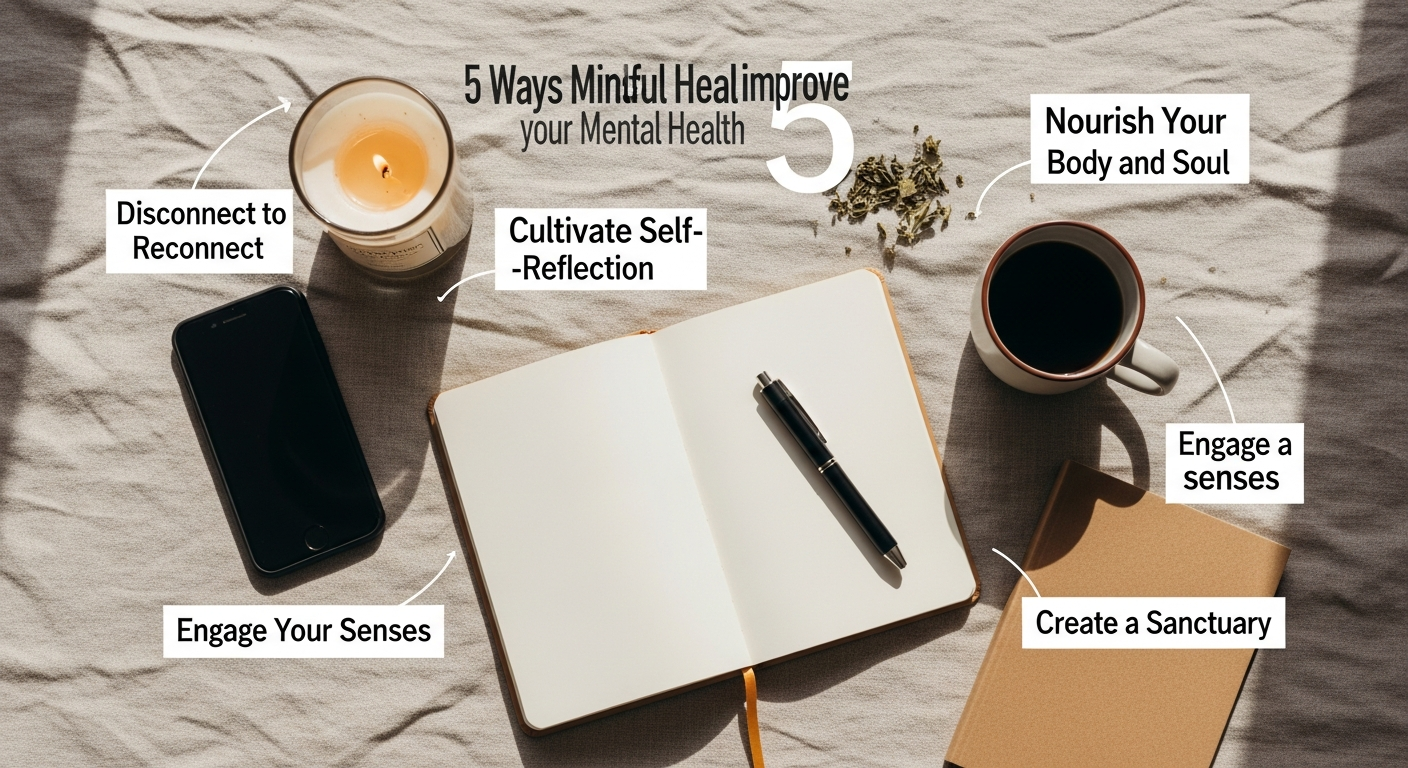
Improving mental health is not just about what you avoid, but also about what you actively embrace. Holistic self-care, encompassing the well-being of your body, mind, and soul, is a non-negotiable component of a resilient mental state. In 2026, with all its demands, carving out time for intentional self-care is an act of profound self-love and a powerful investment in your overall health.
Physical Health as a Foundation: Let’s start with the body. The connection between physical and mental health is undeniable. Regular physical activity, even moderate exercise like a daily walk, has been proven to reduce symptoms of anxiety and depression, boost mood, and improve cognitive function. It releases endorphins, natural mood elevators, and helps manage stress hormones. Aim for consistency, finding activities you genuinely enjoy to make it sustainable. Furthermore, nutrition plays a crucial role. A balanced diet rich in fruits, vegetables, whole grains, and lean proteins provides the essential nutrients your brain needs to function optimally. Minimize processed foods, excessive sugar, and unhealthy fats, which can contribute to mood swings and fatigue. Hydration is also key; simply drinking enough water can impact your energy levels and mental clarity. Finally, prioritize sleep. In our 24/7 culture, sleep is often the first thing sacrificed, yet it’s during sleep that our brains process emotions, consolidate memories, and repair themselves. Aim for 7-9 hours of quality sleep per night, establishing a consistent sleep schedule and creating a calming bedtime routine, free from screens, to signal to your body that it’s time to rest.
Nurturing the Mind: Beyond physical needs, dedicate time to mental self-care. This can involve engaging in hobbies that bring you joy and a sense of accomplishment, whether it’s reading, painting, playing a musical instrument, or gardening. These activities provide a much-needed break from daily stressors, allowing your mind to wander creatively and recharge. Learning new skills can also boost self-esteem and provide a sense of purpose. Conversely, sometimes mental self-care means simply allowing your mind to rest, to be still without external input, which brings us to the importance of mindfulness and meditation.
Feeding the Soul: Spiritual self-care doesn’t necessarily mean religious practice; it’s about connecting with what gives your life meaning and purpose. This could involve spending time in nature, practicing gratitude, engaging in acts of kindness, or reflecting on your values. For many, connecting with nature offers profound peace and perspective. A simple walk in a park, tending to a garden, or sitting by a body of water can reduce stress and elevate mood. This holistic approach ensures that all facets of your being are nourished, creating a robust foundation for enduring mental wellness. Even when you’re busy planning something exciting like How to plan the perfect family vacation, ensuring you prioritize your sleep, nutrition, and moments of calm will make you a more present, patient, and joyful participant in the experience, rather than arriving exhausted and overwhelmed.
Way 4: Embracing Mindfulness, Gratitude, and Present Moment Awareness
In a world that constantly pulls us into the past with regrets or into the future with anxieties, the practice of mindfulness and gratitude offers a powerful anchor to the present moment. This approach is not about ignoring challenges but about observing them without judgment, fostering a sense of calm and perspective that significantly improves mental health. Embracing these practices can transform your daily experience, making you more resilient and appreciative of life in 2026.
Mindfulness: The Art of Being Present: Mindfulness is the practice of intentionally bringing your attention to the present moment without judgment. It’s about noticing your thoughts, feelings, bodily sensations, and the environment around you with curiosity and acceptance. This can be as simple as truly tasting your food, feeling the warmth of your coffee cup, or observing the intricate patterns of a leaf. Formal mindfulness practices, such as meditation, involve setting aside dedicated time to focus on your breath, allowing thoughts to come and go without getting entangled in them. Even just 5-10 minutes a day can begin to rewire your brain, reducing rumination and increasing your capacity for calm. There are numerous apps and guided meditations available that can help you get started, making mindfulness accessible to everyone, regardless of experience level.
Beyond formal meditation, integrate mindfulness into your daily routines. When walking, notice the sensation of your feet on the ground, the sounds around you, the sights you often overlook. When talking to a loved one, practice mindful listening, giving them your full, undivided attention, free from the distraction of your phone or wandering thoughts. This deliberate presence not only enhances your own mental clarity but also deepens your connections with others, strengthening your relationships and reducing the potential for misunderstandings or feelings of neglect that can arise from phubbing.
Gratitude: Shifting Your Perspective: Gratitude is the practice of acknowledging and appreciating the good things in your life, no matter how big or small. When we actively seek out reasons to be grateful, we shift our focus from what’s lacking to what’s abundant. This change in perspective has profound effects on mental health, reducing negative emotions like envy and resentment, and boosting feelings of happiness and optimism. A simple way to cultivate gratitude is through journaling. Each day, take a few minutes to write down 3-5 things you are grateful for. These don’t have to be grand gestures; they can be as simple as a warm cup of tea, a sunny day, a kind word from a colleague, or the laughter of a child. Over time, this practice trains your brain to notice and appreciate the positive aspects of your life, even amidst challenges.
Regularly expressing gratitude, whether to yourself, in a journal, or directly to others, can create a positive feedback loop. When you thank someone, it not only makes them feel good but also reinforces your own sense of appreciation and connection. In the context of relationships, expressing gratitude can be a powerful tool to strengthen bonds and improve marital satisfaction, complementing the 4 ways to maintain a healthy marriage by fostering a culture of appreciation and positive reinforcement. By consciously weaving mindfulness and gratitude into the fabric of your daily life, you cultivate an inner sanctuary of peace and contentment, equipping yourself with powerful tools to navigate the ups and downs of 2026 with greater emotional resilience and joy.
Way 5: Knowing When to Seek Professional Support and Building a Resilience Toolkit
While self-care strategies, digital mindfulness, and strong relationships form a robust foundation for mental well-being, it’s crucial to acknowledge that sometimes, these efforts alone may not be enough. Knowing when to seek professional help is not a sign of weakness, but an act of profound strength and self-awareness. In 2026, the stigma around mental health support continues to diminish, making it easier and more acceptable to reach out for expert guidance.
Recognizing the Signs: How do you know if it’s time to talk to a professional? Pay attention to persistent changes in your mood, behavior, or daily functioning. If you’ve been experiencing prolonged sadness, anxiety, irritability, or feelings of hopelessness that interfere with your work, relationships, or enjoyment of life, it might be time to seek help. Other indicators include significant changes in sleep patterns or appetite, loss of interest in activities you once enjoyed, difficulty concentrating, increased use of substances to cope, or thoughts of self-harm. These are not character flaws but symptoms that warrant professional attention, just like any physical ailment.
Exploring Professional Support: Professional help can come in various forms. Therapy or counseling with a licensed mental health professional (psychologist, therapist, counselor) provides a safe, confidential space to explore your thoughts, feelings, and behaviors. Therapists can equip you with coping strategies, help you process past traumas, and guide you in developing healthier patterns of thinking and relating. There are many different therapeutic approaches, such as Cognitive Behavioral Therapy (CBT), Dialectical Behavior Therapy (DBT), or psychodynamic therapy, and a good therapist will work with you to find the most suitable method. For some, medication, prescribed by a psychiatrist or general practitioner, may be a necessary part of their treatment plan, especially for more severe conditions like clinical depression or anxiety disorders. It’s important to have an open dialogue with your healthcare provider about all available options and to find what works best for your individual needs.
Building Your Resilience Toolkit: Beyond formal therapy, actively building a “resilience toolkit” is an ongoing process. This toolkit comprises various coping mechanisms and stress management techniques that you can draw upon during challenging times. It includes all the strategies discussed previously: your mindful tech habits, your strong social support network, your self-care routines (exercise, nutrition, sleep), and your practices of mindfulness and gratitude. Additionally, consider incorporating stress-reducing activities like journaling, creative expression, deep breathing exercises, or spending time in nature. Learning problem-solving skills, practicing assertive communication, and setting healthy boundaries in all areas of your life (not just with technology) are also crucial components of resilience.
Remember, mental health is a journey, not a destination. There will be good days and challenging days. Having a diverse toolkit and knowing when to reach out for professional support ensures that you are well-equipped to navigate the complexities of life in 2026 and beyond. It’s about empowering yourself to not just survive, but to truly flourish, recognizing that seeking help is a courageous step towards a healthier, happier you.
Beyond the Five: Integrating Mental Wellness into Daily Life for a Brighter 2026
Improving your mental health is not a one-time fix but a continuous journey of self-awareness, intentional action, and compassionate self-care. The five ways we’ve explored – cultivating digital mindfulness, nurturing authentic connections, prioritizing holistic self-care, embracing mindfulness and gratitude, and knowing when to seek professional support – are interconnected pillars designed to create a robust foundation for your overall well-being. As we move through 2026, the challenge, and indeed the opportunity, lies in integrating these practices seamlessly into the fabric of your daily life, transforming them from isolated efforts into intrinsic habits.
Think of mental wellness as a garden you tend. It requires consistent watering (self-care), weeding (digital decluttering), planting new seeds (new connections, learning), and sometimes, professional guidance from a skilled gardener. Small, consistent actions yield the most profound results. You don’t need to overhaul your entire life overnight. Start with one small change: perhaps a 15-minute digital detox before bed, a mindful five-minute walk during your lunch break, or a brief gratitude journal entry each morning. Gradually, these small shifts accumulate, creating a powerful momentum towards a healthier, more balanced existence.
Remember the core message of Stop Phubbing: our relationship with technology profoundly impacts our relationships with ourselves and others. By consciously choosing presence over distraction, genuine connection over superficial scrolling, and mindful living over constant reactivity, you not only improve your own mental health but also inspire those around you. You become a beacon of mindful living, contributing to a culture where people feel seen, heard, and valued – not just by their screens, but by each other.
Embrace the journey with patience and self-compassion. There will be days when you falter, when old habits resurface. That’s perfectly normal. The key is to acknowledge it, learn from it, and gently guide yourself back to your chosen path. Your mental health is your most valuable asset, enabling you to experience joy, navigate challenges, and build a life filled with meaning and genuine connection. By committing to these practices, you are not just improving your mental health for today, but building enduring resilience and fostering a brighter, more present, and deeply satisfying life for yourself and your loved ones in 2026 and for many years to come.
FAQ Section
Q1: How quickly can I expect to see improvements in my mental health?
The timeline for mental health improvement varies greatly from person to person. Some individuals may notice subtle positive shifts within days or weeks of implementing new practices like digital boundaries or gratitude journaling. For others, especially those dealing with more significant challenges, it might take several months of consistent effort and potentially professional support to experience substantial changes. Consistency is key, and even small, daily steps contribute to long-term well-being. Patience and self-compassion are crucial throughout this journey.
Q2: Is it normal to feel overwhelmed when trying to implement these changes?
Absolutely, it’s very normal to feel overwhelmed, especially when trying to integrate multiple new habits into your life. The key is to start small and focus on one or two changes at a time. Don’t aim for perfection; aim for progress. Pick one area, like setting a tech-free hour before bed, and focus on mastering that before moving to the next. Remember, this is a marathon, not a sprint, and sustainable change happens gradually.
Q3: How does phubbing specifically impact mental health?
Phubbing (phone snubbing) significantly impacts mental health by eroding the quality of real-life interactions. For the person being phubbed, it can lead to feelings of being ignored, undervalued, and disrespected, potentially causing loneliness, resentment, and a decline in self-esteem. For the phubber, it can reduce their capacity for presence, deepen digital addiction, and prevent the formation of meaningful, supportive connections that are vital for mental well-being, often leading to increased anxiety and a sense of detachment.
Q4: Can these tips help if I’m dealing with serious mental health conditions?
While these tips offer excellent foundational support for general mental well-being and can be beneficial for managing mild to moderate symptoms, they are not a substitute for professional treatment for serious mental health conditions like clinical depression, severe anxiety disorders, or bipolar disorder. If you are experiencing severe symptoms, please seek guidance from a qualified mental health professional. These self-help strategies can often complement professional treatment, enhancing its effectiveness, but they should not replace it.
Q5: What if my partner isn’t on board with digital boundaries?
If your partner isn’t on board with digital boundaries, open and empathetic communication is crucial. Explain how excessive screen time affects your mental health and your relationship, using “I” statements to express your feelings without blame (e.g., “I feel disconnected when we’re both on our phones during dinner”). Suggest starting with small, agreed-upon “tech-free” times or zones. You could also model the behavior yourself and invite them to join you, emphasizing the positive benefits for both your relationship and individual well-being. Consider discussing this as part of the 4 ways to maintain a healthy marriage, highlighting its importance for connection.
Q6: Where can I find affordable mental health resources in 2026?
In 2026, there are several avenues for affordable mental health resources. Check with your insurance provider for covered therapists and counselors. Many community mental health centers offer sliding-scale fees based on income. University counseling centers often provide low-cost services delivered by supervised interns. Non-profit organizations and government health services frequently offer free or reduced-cost support groups and helplines. Online therapy platforms can sometimes be more affordable than in-person sessions. Don’t hesitate to research local and national resources; a quick online search for “affordable mental health services [your city/region] 2026” can yield many options.